

Is Aurora, Colorado Shower Water Safe? What's In Your Water (2026)
 Khat Cruz
Is Aurora, Colorado Shower Water Safe?
Population: 391,561 · Water Source: South Platte River, Colorado River
For residents of Aurora, Colorado, understanding what's in your shower water is crucial for maintaining personal health and comfort. While Aurora Water consistently meets federal safety standards for drinking, the unique characteristics of its treated water can still impact your skin, hair, and respiratory health, making it vital to be informed about potential contaminants.
💧 Where Does Aurora's Water Come From?
Primary Source: South Platte River, Colorado River
Aurora's water supply is sourced from a diverse system, drawing primarily from the South Platte River and the Colorado River basins. This water undergoes rigorous treatment at facilities like the Peter D. Binney and Griswold Water Purification Facilities, utilizing advanced processes to ensure it meets drinking water standards before distribution.
Treatment: Coagulation, flocculation, sedimentation, filtration, disinfection (chloramination), fluoridation
🔬 What's In Aurora's Shower Water?
Here are the key contaminants detected in Aurora's water supply based on real testing data from the EWG Tap Water Database:
| Contaminant | Level Found | EPA Limit | EWG Guideline | Status |
|---|---|---|---|---|
| Haloacetic acids (HAA9) | 21.65 ppb | No federal limit | 0.060 ppb | ⚠️ Exceeds EWG Health Guideline (361x above) |
| Total trihalomethanes (TTHMs) | 28.86 ppb | 80.0 ppb | 0.150 ppb | ⚠️ Exceeds EWG Health Guideline (192x above) |
| Perfluorohexane sulfonate (PFHXS) | 0.0000 ppt | 1e-05 ppt | 0.0000 ppt | ⚠️ Exceeds EWG Health Guideline (186x above) |
| Haloacetic acids (HAA5) | 16.56 ppb | 60.0 ppb | 0.100 ppb | ⚠️ Exceeds EWG Health Guideline (166x above) |
| Bromodichloromethane | 8.02 ppb | No federal limit | 0.060 ppb | ⚠️ Exceeds EWG Health Guideline (134x above) |
| Dibromoacetic acid | 2.58 ppb | No federal limit | 0.030 ppb | ⚠️ Exceeds EWG Health Guideline (86x above) |
| Trichloroacetic acid | 6.33 ppb | No federal limit | 0.100 ppb | ⚠️ Exceeds EWG Health Guideline (63x above) |
| Dibromochloromethane | 6.29 ppb | No federal limit | 0.100 ppb | ⚠️ Exceeds EWG Health Guideline (63x above) |
| Dichloroacetic acid | 10.10 ppb | No federal limit | 0.200 ppb | ⚠️ Exceeds EWG Health Guideline (51x above) |
| Chloroform | 18.94 ppb | No federal limit | 0.400 ppb | ⚠️ Exceeds EWG Health Guideline (47x above) |
Contaminant Details
Haloacetic acids (HAA9)
The health guideline of 0.06 ppb for haloacetic acids (HAA9) was defined by EWG . This health guideline protects against cancer.
Comparison: State average: 22.55 ppb. National average: 23.70 ppb.
Shower Impact: These disinfection byproducts become airborne in hot shower steam. You can inhale and absorb them through your skin, potentially increasing your exposure beyond just drinking water.
Total trihalomethanes (TTHMs)
The health guideline of 0.15 ppb for trihalomethanes was defined by in a peer-reviewed scientific study by EWG and represents a one-in-one-million lifetime cancer risk level. as a draft public health goal, the level of drinking water contaminant that does not pose a significant health risk. This health guideline protects against cancer.
Comparison: State average: 28.86 ppb. National average: 29.06 ppb.
Shower Impact: These disinfection byproducts become airborne in hot shower steam. You can inhale and absorb them through your skin, potentially increasing your exposure beyond just drinking water.
Perfluorohexane sulfonate (PFHXS)
The health guideline of 0.001 ppt for perfluorohexane sulfonate was defined by EWG based on studies by Phillipe Grandjean of Harvard University and many other independent researchers who found reduced effectiveness of vaccines and adverse impacts on mammary gland development from exposure to PFOA and PFOS, the two PFAS most widely detected in drinking water. This health guideline harm to the developing immune system.
Comparison: State average: 0.0000 ppt. National average: 0.0000 ppt.
Shower Impact: Contaminants in shower water can be absorbed through the skin and inhaled as steam, increasing your daily exposure beyond what you get from drinking water alone.
Haloacetic acids (HAA5)
The health guideline of 0.1 ppb for haloacetic acids (HAA5) was defined by as . This health guideline protects against cancer.
Comparison: State average: 17.15 ppb. National average: 19.82 ppb.
Shower Impact: These disinfection byproducts become airborne in hot shower steam. You can inhale and absorb them through your skin, potentially increasing your exposure beyond just drinking water.
Bromodichloromethane
The health guideline of 0.06 ppb for bromodichloromethane was defined by the California Office of Environmental Health Hazard Assessment as a one-in-a-million lifetime risk of cancer. Values greater than one-in-a-million cancer risk level can result in increased cancer cases above one in a million people.
Comparison: State average: 6.38 ppb. National average: 5.89 ppb.
Shower Impact: These disinfection byproducts become airborne in hot shower steam. You can inhale and absorb them through your skin, potentially increasing your exposure beyond just drinking water.
Dibromoacetic acid
The health guideline of 0.03 ppb for dibromoacetic acid was defined by as . This health guideline protects against cancer and harm to fetal growth and development.
Comparison: State average: 0.864 ppb. National average: 1.13 ppb.
Shower Impact: Contaminants in shower water can be absorbed through the skin and inhaled as steam, increasing your daily exposure beyond what you get from drinking water alone.
Trichloroacetic acid
The health guideline of 0.1 ppb for trichloroacetic acid was defined by the Environmental Protection Agency as a one-in-a-million lifetime risk of cancer. Values greater than one-in-a-million cancer risk level can result in increased cancer cases above one in a million people.
Comparison: State average: 7.29 ppb. National average: 6.57 ppb.
Shower Impact: These disinfection byproducts become airborne in hot shower steam. You can inhale and absorb them through your skin, potentially increasing your exposure beyond just drinking water.
Dibromochloromethane
The health guideline of 0.1 ppb for dibromochloromethane was defined by the California Office of Environmental Health Hazard Assessment as a one-in-a-million lifetime risk of cancer. Values greater than one-in-a-million cancer risk level can result in increased cancer cases above one in a million people.
Comparison: State average: 3.20 ppb. National average: 3.55 ppb.
Shower Impact: These disinfection byproducts become airborne in hot shower steam. You can inhale and absorb them through your skin, potentially increasing your exposure beyond just drinking water.
Dichloroacetic acid
The health guideline of 0.2 ppb for dichloroacetic acid was defined by the Environmental Protection Agency as a one-in-a-million lifetime risk of cancer. Values greater than one-in-a-million cancer risk level can result in increased cancer cases above one in a million people.
Comparison: State average: 8.32 ppb. National average: 8.00 ppb.
Shower Impact: These disinfection byproducts become airborne in hot shower steam. You can inhale and absorb them through your skin, potentially increasing your exposure beyond just drinking water.
Chloroform
The health guideline of 0.4 ppb for chloroform was defined by the California Office of Environmental Health Hazard Assessment as a one-in-a-million lifetime risk of cancer. Values greater than one-in-a-million cancer risk level can result in increased cancer cases above one in a million people.
Comparison: State average: 18.31 ppb. National average: 16.20 ppb.
Shower Impact: These disinfection byproducts become airborne in hot shower steam. You can inhale and absorb them through your skin, potentially increasing your exposure beyond just drinking water.
🧴 How Aurora's Water Affects Your Skin, Hair & Health
When you shower, contaminants in the water don't just wash off — they're absorbed through your skin and inhaled as steam. Here's how Aurora's water quality may be affecting you:
🧖 Skin Effects
- Dry, itchy skin and scalp
- Exacerbation of eczema and dermatitis
- Soap scum residue leading to clogged pores
- Premature skin aging and dullness
💇 Hair Effects
- Dry, brittle, and damaged hair
- Color fading in treated hair
- Mineral buildup causing dullness and frizz
- Reduced effectiveness of shampoos and conditioners
🫁 Respiratory Effects
- Irritation of nasal passages and lungs from chloramine vapors
- Potential for asthma flare-ups in sensitive individuals
- Aggravation of allergies due to airborne contaminants
- Dryness of throat and respiratory discomfort
✅ What You Can Do About It
Test Your Home's Water
A home water test can provide specific data on contaminants present in your tap water, helping you make informed decisions about treatment.
Install a Quality Shower Filter
Shower filters are effective at reducing chlorine, chloramines, and other contaminants that can irritate skin and hair, improving your shower experience.
Lower Shower Temperature and Duration
Reducing hot water exposure minimizes the volatilization of chemicals like chloramines and TTHMs, decreasing inhalation and absorption.
Ventilate Your Bathroom
Proper ventilation helps to disperse airborne chemicals and reduce steam buildup, improving air quality during and after showering.
Use pH-Balanced Skincare Products
Products designed for sensitive or hard water can help counteract the drying and irritating effects of Aurora's water on skin and hair.
Protect Your Skin & Hair From Aurora's Water
The easiest way to remove chlorine, heavy metals, and other contaminants from your shower water.
Shop Afina Filtered Showerheads →🛒 Recommended Products for Aurora Residents
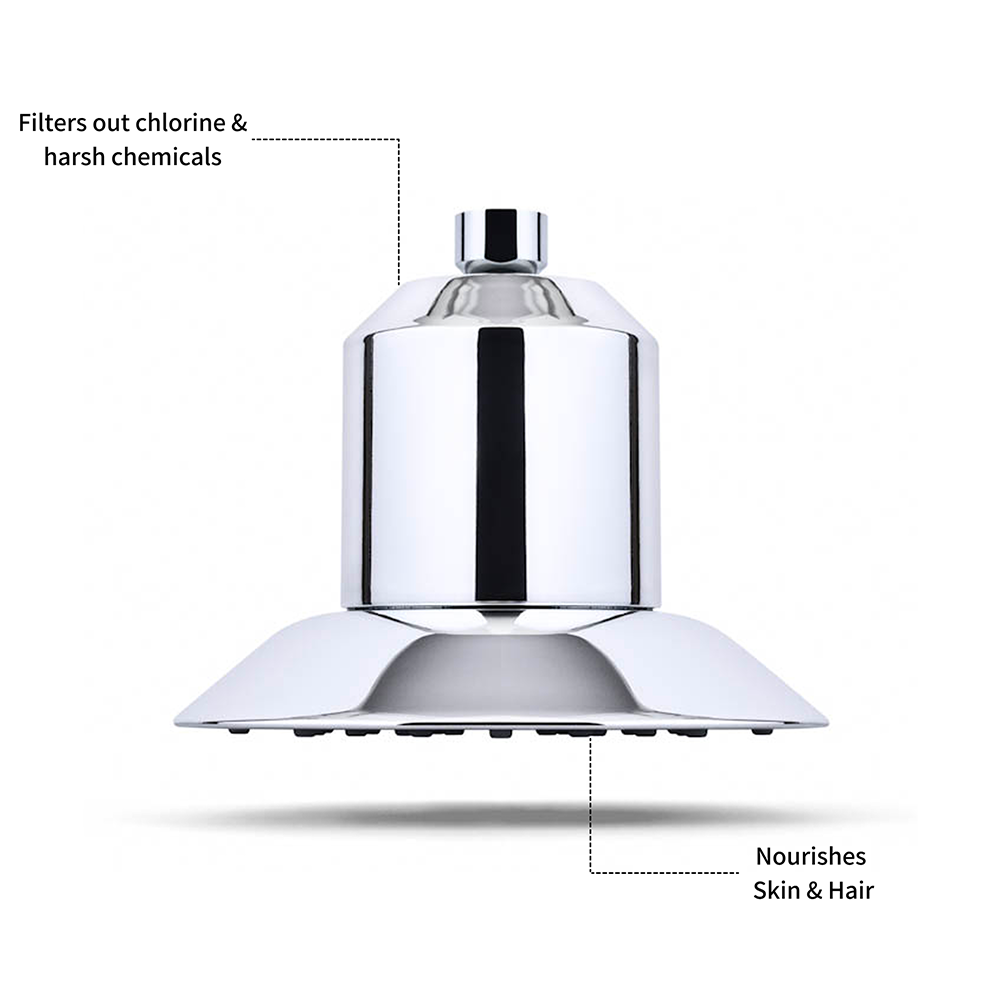
Afina Filtered Showerhead
15-stage filtered showerhead that removes chlorine, heavy metals, and other contaminants while providing great water pressure.
✨ All-in-one solution — filters water and gives you a premium shower experience
Shop Now →Afina Shower Filter
Universal shower filter that attaches to any existing showerhead. Removes chlorine, chloramine, and sediment.
✨ Keep your current showerhead and add powerful filtration
Shop Now →Afina Replacement Filter
Replacement filter cartridge for Afina shower filters. Lasts up to 6 months or 10,000 gallons.
✨ Easy replacement every 2-3 months to maintain peak filtration
Shop Now →❓ Frequently Asked Questions
Related Reading
- why your skin feels dry after showering
- arsenic in drinking water
- hexavalent chromium in water
- shower water quality in Fort Collins, Colorado
- shower water quality in Lakewood, Colorado
Is Aurora tap water safe to shower in?
While Aurora's tap water meets federal drinking safety standards, showering exposes you to contaminants differently. Inhaling steam and skin absorption of chloramines and disinfection byproducts can lead to skin, hair, and respiratory irritation, especially for sensitive individuals.
Why does my skin feel dry after showering in Aurora?
Aurora's water is moderately hard, containing minerals like calcium and magnesium that leave residue on your skin. Additionally, chloramines used for disinfection can strip natural oils, contributing to dryness and exacerbating conditions like eczema.
Do shower filters really help with Aurora's water?
Yes, a good quality shower filter can significantly reduce chloramines, chlorine, sediment, and heavy metals in your shower water. This can lead to noticeable improvements in skin hydration, hair health, and a reduction in respiratory irritation from steam.
What are chloramines and why are they in Aurora's water?
Chloramines are a disinfectant made from chlorine and ammonia, used by Aurora Water to kill harmful bacteria and viruses. They provide longer-lasting disinfection throughout the distribution system compared to chlorine alone, but can cause irritation and create disinfection byproducts.
How does Aurora's hard water affect my hair?
Hard water minerals bind to your hair, preventing shampoo from lathering effectively and leaving a dull, sticky residue. This can lead to dry, brittle hair, frizz, and even impact the vibrancy of color-treated hair over time.


