Is New York, New York Shower Water Safe?
Understanding what's in your shower water is crucial for health-conscious New Yorkers. While New York City's drinking water consistently meets strict federal and state standards, showering can expose you to contaminants differently, impacting skin, hair, and respiratory health. It's time to uncover the hidden elements in your daily shower.
💧 Where Does New York's Water Come From?
Primary Source: Catskill/Delaware and Croton Watersheds
New York City's water primarily originates from protected upstate watersheds, including the Catskill/Delaware and Croton systems, which span over 2,000 square miles. This high-quality source water undergoes robust disinfection processes, including UV treatment and chlorination, before reaching city taps, ensuring its safety for consumption.
Treatment: UV disinfection, Chlorination, Fluoridation
🔬 What's In New York's Shower Water?
Here are the key contaminants detected in New York's water supply based on real testing data from the EWG Tap Water Database:
| Contaminant | Level Found | EPA Limit | EWG Guideline | Status |
|---|---|---|---|---|
| Haloacetic acids (HAA9) | 53.54 ppb | No federal limit | 0.060 ppb | ⚠️ Exceeds EWG Health Guideline (892x above) |
| Haloacetic acids (HAA5) | 38.18 ppb | 60.0 ppb | 0.100 ppb | ⚠️ Exceeds EWG Health Guideline (382x above) |
| Total trihalomethanes (TTHMs) | 38.82 ppb | 80.0 ppb | 0.150 ppb | ⚠️ Exceeds EWG Health Guideline (259x above) |
| Trichloroacetic acid | 24.04 ppb | No federal limit | 0.100 ppb | ⚠️ Exceeds EWG Health Guideline (240x above) |
| Chloroform | 34.26 ppb | No federal limit | 0.400 ppb | ⚠️ Exceeds EWG Health Guideline (86x above) |
| Bromodichloromethane | 4.35 ppb | No federal limit | 0.060 ppb | ⚠️ Exceeds EWG Health Guideline (72x above) |
| Dichloroacetic acid | 13.95 ppb | No federal limit | 0.200 ppb | ⚠️ Exceeds EWG Health Guideline (70x above) |
| Chromium (hexavalent) | 0.041 ppb | No federal limit | 0.020 ppb | ⚠️ Exceeds EWG Health Guideline (2x above) |
| Dibromochloromethane | 0.119 ppb | No federal limit | 0.100 ppb | ⚠️ Exceeds EWG Health Guideline (1.2x above) |
| Nitrate | 0.161 ppm | 10.0 ppm | 0.140 ppm | ⚠️ Exceeds EWG Health Guideline (1.2x above) |
Contaminant Details
Haloacetic acids (HAA9)
The health guideline of 0.06 ppb for haloacetic acids (HAA9) was defined by EWG . This health guideline protects against cancer.
Comparison: State average: 36.36 ppb. National average: 23.70 ppb.
Shower Impact: These disinfection byproducts become airborne in hot shower steam. You can inhale and absorb them through your skin, potentially increasing your exposure beyond just drinking water.
Haloacetic acids (HAA5)
The health guideline of 0.1 ppb for haloacetic acids (HAA5) was defined by as . This health guideline protects against cancer.
Comparison: State average: 26.47 ppb. National average: 19.82 ppb.
Shower Impact: These disinfection byproducts become airborne in hot shower steam. You can inhale and absorb them through your skin, potentially increasing your exposure beyond just drinking water.
Total trihalomethanes (TTHMs)
The health guideline of 0.15 ppb for trihalomethanes was defined by in a peer-reviewed scientific study by EWG and represents a one-in-one-million lifetime cancer risk level. as a draft public health goal, the level of drinking water contaminant that does not pose a significant health risk. This health guideline protects against cancer.
Comparison: State average: 34.01 ppb. National average: 29.06 ppb.
Shower Impact: These disinfection byproducts become airborne in hot shower steam. You can inhale and absorb them through your skin, potentially increasing your exposure beyond just drinking water.
Trichloroacetic acid
The health guideline of 0.1 ppb for trichloroacetic acid was defined by the Environmental Protection Agency as a one-in-a-million lifetime risk of cancer. Values greater than one-in-a-million cancer risk level can result in increased cancer cases above one in a million people.
Comparison: State average: 16.86 ppb. National average: 6.57 ppb.
Shower Impact: These disinfection byproducts become airborne in hot shower steam. You can inhale and absorb them through your skin, potentially increasing your exposure beyond just drinking water.
Chloroform
The health guideline of 0.4 ppb for chloroform was defined by the California Office of Environmental Health Hazard Assessment as a one-in-a-million lifetime risk of cancer. Values greater than one-in-a-million cancer risk level can result in increased cancer cases above one in a million people.
Comparison: State average: 28.74 ppb. National average: 16.20 ppb.
Shower Impact: These disinfection byproducts become airborne in hot shower steam. You can inhale and absorb them through your skin, potentially increasing your exposure beyond just drinking water.
Bromodichloromethane
The health guideline of 0.06 ppb for bromodichloromethane was defined by the California Office of Environmental Health Hazard Assessment as a one-in-a-million lifetime risk of cancer. Values greater than one-in-a-million cancer risk level can result in increased cancer cases above one in a million people.
Comparison: State average: 5.47 ppb. National average: 5.89 ppb.
Shower Impact: These disinfection byproducts become airborne in hot shower steam. You can inhale and absorb them through your skin, potentially increasing your exposure beyond just drinking water.
Dichloroacetic acid
The health guideline of 0.2 ppb for dichloroacetic acid was defined by the Environmental Protection Agency as a one-in-a-million lifetime risk of cancer. Values greater than one-in-a-million cancer risk level can result in increased cancer cases above one in a million people.
Comparison: State average: 10.99 ppb. National average: 8.00 ppb.
Shower Impact: These disinfection byproducts become airborne in hot shower steam. You can inhale and absorb them through your skin, potentially increasing your exposure beyond just drinking water.
Chromium (hexavalent)
The health guideline of 0.02 ppb for chromium (hexavalent) was defined by the California Office of Environmental Health Hazard Assessment as a public health goal, the level of a drinking water contaminant that does not pose a significant health risk. This health guideline protects against cancer.
Comparison: State average: 0.098 ppb. National average: 0.440 ppb.
Shower Impact: Hexavalent chromium can be absorbed through the skin during bathing, adding to overall exposure beyond drinking water.
Dibromochloromethane
The health guideline of 0.1 ppb for dibromochloromethane was defined by the California Office of Environmental Health Hazard Assessment as a one-in-a-million lifetime risk of cancer. Values greater than one-in-a-million cancer risk level can result in increased cancer cases above one in a million people.
Comparison: State average: 1.35 ppb. National average: 3.55 ppb.
Shower Impact: These disinfection byproducts become airborne in hot shower steam. You can inhale and absorb them through your skin, potentially increasing your exposure beyond just drinking water.
Nitrate
The health guideline of 0.14 ppm for nitrate was defined in a peer-reviewed scientific study by EWG and corresponds to one-in-one-million annual cancer risk level.
Comparison: State average: 0.441 ppm. National average: 0.824 ppm.
Shower Impact: While primarily a drinking water concern, nitrates can contribute to skin irritation during extended shower exposure.
🧴 How New York's Water Affects Your Skin, Hair & Health
When you shower, contaminants in the water don't just wash off — they're absorbed through your skin and inhaled as steam. Here's how New York's water quality may be affecting you:
🧖 Skin Effects
- Dryness and flakiness from chlorine and mineral residue
- Exacerbation of eczema and other sensitive skin conditions
- Itchiness and irritation after showering
- Potential for premature aging due to oxidative stress
💇 Hair Effects
- Dry, brittle, and frizzy hair texture
- Dullness and loss of natural shine
- Fading of hair color and chemical treatments
- Residue buildup, making hair feel heavy or greasy
🫁 Respiratory Effects
- Irritation of nasal passages and throat from chlorine vapor
- Worsening of asthma or allergy symptoms due to steam inhalation
- Dryness of mucous membranes
- Potential for long-term respiratory issues from disinfection byproducts
✅ What You Can Do About It
Test Your Water
Understanding your home's specific water profile is the first step. Home testing kits or professional services can identify exact contaminant levels in your shower water.
Install a Quality Shower Filter
A shower filter can significantly reduce chlorine, chloramines, heavy metals, and other contaminants that affect skin, hair, and respiratory health.
Maintain Proper Shower Habits
Limit shower duration and temperature to reduce exposure to steam-borne contaminants and prevent excessive skin dryness.
Moisturize Immediately Post-Shower
Applying a rich, hydrating moisturizer to damp skin helps lock in moisture and counteract the drying effects of tap water.
Consider a Whole-House Filter
For comprehensive protection, a whole-house filtration system treats all water entering your home, ensuring clean water for every tap and shower.
🛒 Recommended Products for New York Residents
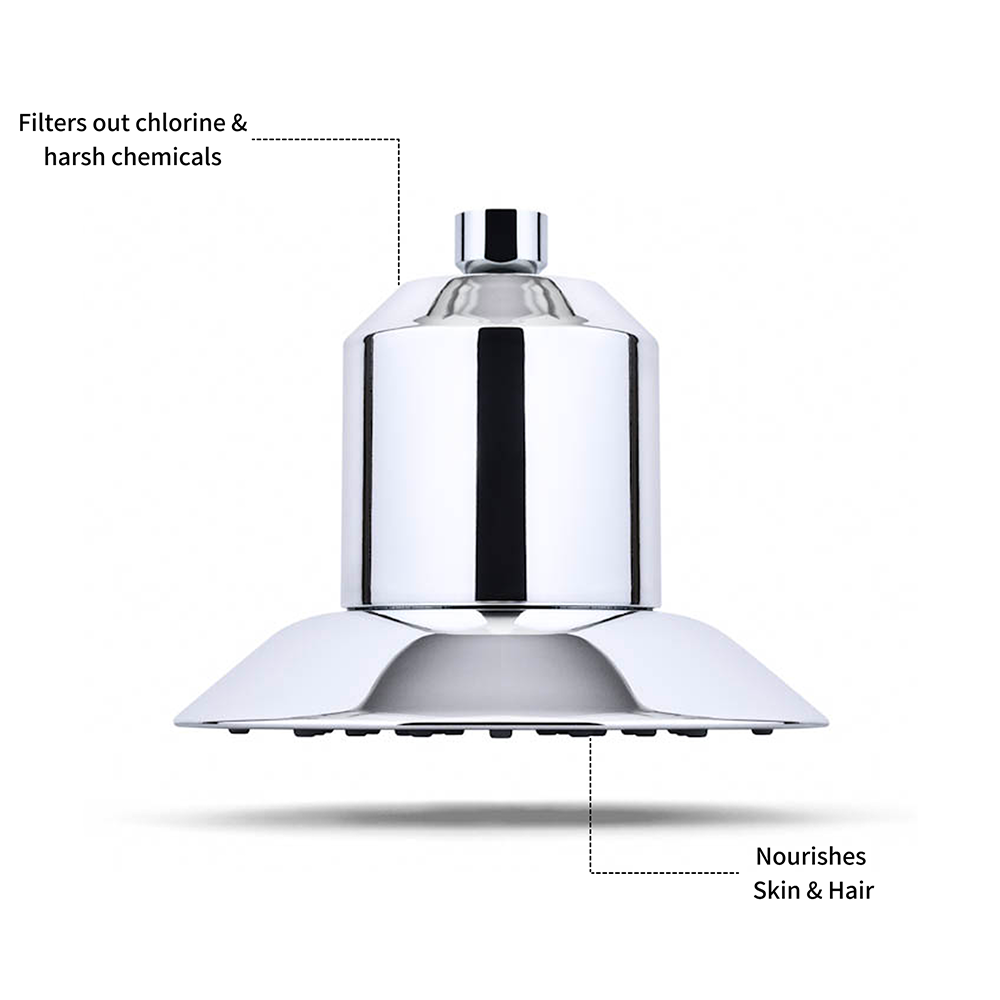
Afina Filtered Showerhead
15-stage filtered showerhead that removes chlorine, heavy metals, and other contaminants while providing great water pressure.
✨ All-in-one solution — filters water and gives you a premium shower experience
Shop Now →Afina Shower Filter
Universal shower filter that attaches to any existing showerhead. Removes chlorine, chloramine, and sediment.
✨ Keep your current showerhead and add powerful filtration
Shop Now →Afina Replacement Filter
Replacement filter cartridge for Afina shower filters. Lasts up to 6 months or 10,000 gallons.
✨ Easy replacement every 2-3 months to maintain peak filtration
Shop Now →❓ Frequently Asked Questions
Related Reading
- why your skin feels dry after showering
- chromium-6 in tap water
- nitrates in tap water
- shower water quality in Rochester, New York
- shower water quality in Yonkers, New York
Is New York tap water safe to shower in?
While New York City's tap water is safe to drink and meets regulatory standards, showering introduces unique exposure routes. Contaminants like chlorine can be inhaled as steam and absorbed through the skin, potentially leading to issues like dry skin, hair damage, and respiratory irritation.
Does New York City water have hard water issues?
New York City's water from the Catskill/Delaware system is generally considered soft to moderately soft, with lower mineral content compared to many other regions. However, trace minerals can still contribute to residue buildup and affect lathering, especially for those with very sensitive skin or hair.
What are disinfection byproducts, and should I be concerned about them in my shower?
Disinfection byproducts (DBPs) like Total Trihalomethanes (TTHMs) form when chlorine reacts with organic matter in water. They are a concern in showers because they can volatilize into steam and be inhaled, and also absorbed through the skin, with long-term exposure linked to potential health risks.
How effective are shower filters for New York water?
Shower filters can be very effective at reducing specific contaminants like chlorine, chloramines, and certain heavy metals, which are common concerns in New York's water. They can significantly improve the quality of your shower experience by mitigating the drying effects on skin and hair.
Can old plumbing in New York buildings affect my shower water quality?
Yes, older plumbing, especially lead service lines or fixtures, can leach contaminants like lead into your water, even if the city's source water is pristine. This is a significant concern for older buildings and can affect both drinking and shower water quality.
See what's in your water.
Run a free 60-second report for your ZIP code.