

Last updated: April 2026.
🚿 Iowa Shower Water Quality Report (2026)
Comprehensive analysis of Iowa water quality across 1 city • Based on real EWG testing data • Updated 2026
If you live in Iowa, you may be showering in water that contains contaminants exceeding health guidelines — and you might not even know it. Our analysis of water quality data across 1 Iowa city reveals 8 contaminants that may exceed EWG health guidelines.
Iowa faces unique water quality challenges including agricultural nitrates and pesticide runoff. Whether you're in Des Moines or elsewhere in the state, understanding what's in your shower water is the first step toward protecting your skin and hair.
📊 Iowa Water Quality at a Glance
Across Iowa, we analyzed water quality data from the Environmental Working Group (EWG) database. The results show that Iowa residents may be exposed to a range of contaminants through their shower water — many at levels that exceed health guidelines set by the EWG, which are often stricter than federal legal limits.
⚠️ Top Contaminants Found in Iowa Water
Based on EWG data analysis, here are the most significant contaminants detected in Iowa water supplies:
| Contaminant | Avg. Level | EWG Guideline | Status |
|---|---|---|---|
| Perfluorohexane sulfonate (PFHXS) | 0.0000 ppt | 0.0000 ppt | ⚠️ 875.0x above |
| Arsenic | 2.60 ppb | 0.0040 ppb | ⚠️ 650.0x above |
| Total trihalomethanes (TTHMs) | 64.87 ppb | 0.1500 ppb | ⚠️ 432.4x above |
| Bromodichloromethane | 18.02 ppb | 0.0600 ppb | ⚠️ 300.4x above |
| Haloacetic acids (HAA9) | 16.61 ppb | 0.0600 ppb | ⚠️ 276.8x above |
| Haloacetic acids (HAA5) | 21.53 ppb | 0.1000 ppb | ⚠️ 215.3x above |
| Dibromoacetic acid | 4.13 ppb | 0.0300 ppb | ⚠️ 137.6x above |
| Dibromochloromethane | 13.31 ppb | 0.1000 ppb | ⚠️ 133.1x above |
Perfluorohexane sulfonate (PFHXS)
The health guideline of 0.001 ppt for perfluorohexane sulfonate was defined by EWG based on studies by Phillipe Grandjean of Harvard University and many other independent researchers who found reduced effectiveness of vaccines and adverse impacts on mammary gland development from exposure to PFOA and PFOS, the two PFAS most widely detected in drinking water. This health guideline harm to the developing immune system.
National Average: 0.0000 ppt | Iowa Average: 0.0000 ppt
Arsenic
The health guideline of 0.004 ppb for arsenic was defined by the California Office of Environmental Health Hazard Assessment as a public health goal, the level of a drinking water contaminant that does not pose a significant health risk. This health guideline protects against cancer.
National Average: 0.6242 ppb | Iowa Average: 2.60 ppb
Total trihalomethanes (TTHMs)
The health guideline of 0.15 ppb for trihalomethanes was defined by in a peer-reviewed scientific study by EWG and represents a one-in-one-million lifetime cancer risk level. as a draft public health goal, the level of drinking water contaminant that does not pose a significant health risk. This health guideline protects against cancer.
National Average: 29.06 ppb | Iowa Average: 64.87 ppb
Bromodichloromethane
The health guideline of 0.06 ppb for bromodichloromethane was defined by the California Office of Environmental Health Hazard Assessment as a one-in-a-million lifetime risk of cancer. Values greater than one-in-a-million cancer risk level can result in increased cancer cases above one in a million people.
National Average: 5.89 ppb | Iowa Average: 18.02 ppb
🏙️ City-by-City Water Quality in Iowa
We've analyzed water quality in 1 Iowa city. Click on any city to see its detailed water quality report:
| City | Contaminants Found | Above EWG Guidelines |
|---|---|---|
| Des Moines | 58 | 22 |
🩺 Health Effects of Iowa Water Contaminants
The contaminants found in Iowa water may be associated with various health concerns. When you shower, your skin — your body's largest organ — can absorb these substances, and you may inhale steam containing volatile compounds.
🧴 Skin & Hair
🫁 Respiratory
- Steam inhalation of chlorine/VOCs
- May aggravate asthma symptoms
- Potential respiratory irritation
⚕️ Long-Term Concerns
- Disinfection byproduct exposure
- Eczema flare-ups
- Cumulative contaminant absorption
🛡️ How to Protect Yourself from Iowa Water Contaminants
The good news: you don't have to accept whatever comes out of your Iowa showerhead. A quality shower filter can significantly reduce many of the contaminants found in your water.
Key contaminants a shower filter can help address:
- Arsenic — learn about health effects and removal
- Total trihalomethanes (TTHMs) — learn about health effects and removal
- Haloacetic acids (HAA9) — learn about health effects and removal
- Chlorine — learn about health effects and removal
Additionally, understanding common symptoms can help you identify water quality issues:
💧 Recommended Shower Filtration for Iowa
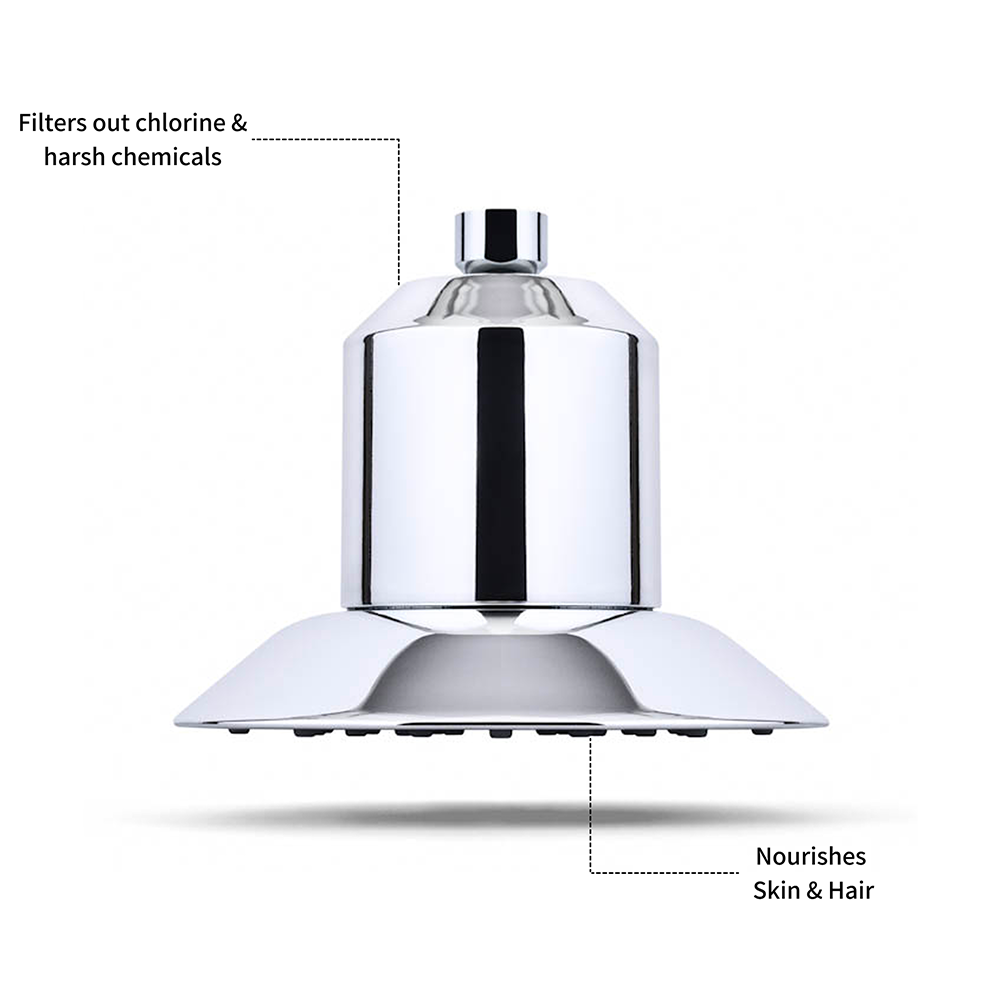
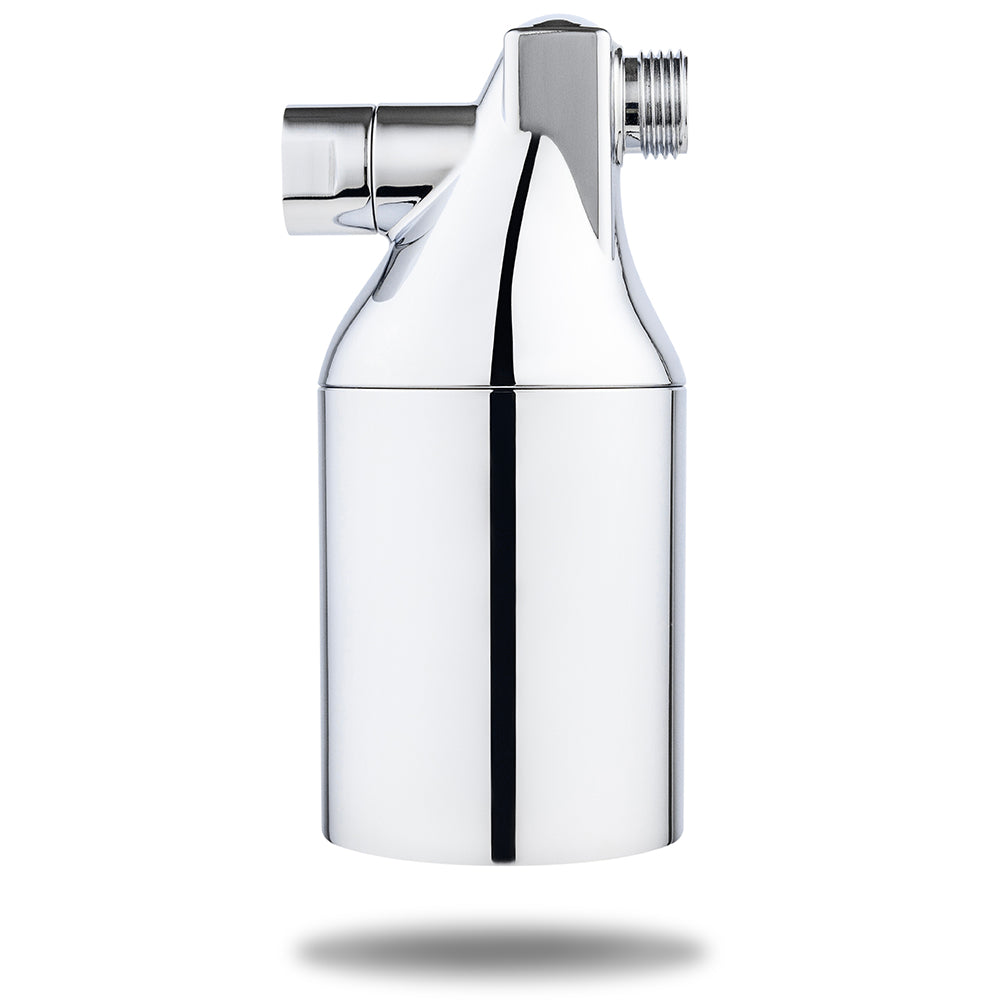
Based on Iowa's water quality profile, we recommend a multi-stage filtration system. Afina's shower filters use KDF-55 and activated carbon to target chlorine, heavy metals, and other common contaminants found in Iowa water.
Afina Filtered Showerhead
Multi-stage filter built right into a high-pressure showerhead. No adapters needed.
Shop Now →Afina Shower Filter
Attach between your pipe and any showerhead. KDF-55 + activated carbon filtration.
Shop Now →Replacement Filter
Keep your filtration fresh. Replace every 2-3 months for optimal contaminant removal.
Shop Now →❓ Frequently Asked Questions
Is Iowa tap water safe to shower in?
While Iowa tap water meets federal legal standards (MCLs), our analysis found 8 contaminants exceeding stricter EWG health guidelines. Federal limits don't always reflect the latest health research, so many health-conscious residents choose to add shower filtration for an extra layer of protection.
What contaminants are in Iowa water?
Based on EWG data, Iowa water contains up to 58 detected contaminants. The most notable include Perfluorohexane sulfonate (PFHXS), Arsenic, Total trihalomethanes (TTHMs). Iowa faces specific challenges with agricultural nitrates and pesticide runoff.
Does Iowa have hard water?
Many areas in Iowa have hard water. Mineral content varies by region but may contribute to dry skin, buildup on fixtures, and hair issues.
Do I need a shower filter in Iowa?
Given that Iowa water contains contaminants above EWG health guidelines, a shower filter may help reduce your exposure to chlorine, heavy metals, and disinfection byproducts. This is especially important if you experience dry skin, itchy scalp, or hair issues after showering.
How does Iowa water compare to the national average?
Iowa is in the Midwest region and faces water quality challenges common to the area, including agricultural nitrates and pesticide runoff. Some contaminants may be above national averages depending on your specific city and water source.
Data sourced from the Environmental Working Group (EWG) Tap Water Database. This report is for informational purposes only and does not constitute medical advice. Water quality can vary by neighborhood and season. Last updated: March 2026.


