


Is Augusta, Maine Shower Water Safe?
Augusta, Maine residents concerned about their skin, hair, and overall well-being often wonder about the safety and quality of their shower water. Understanding what's in Augusta's water in 2026 is crucial for making informed choices about your personal care and home environment, especially for health-conscious consumers and those with sensitivities.
💧 Where Does Augusta's Water Come From?
Primary Source: Carleton Pond, Kennebec River
Augusta's water primarily originates from Carleton Pond, with the Kennebec River serving as a secondary backup source, ensuring a reliable supply. The Augusta Water District employs a multi-stage treatment process to purify this surface water, including coagulation, flocculation, sedimentation, and filtration, before disinfection.
Treatment: Chloramination
🔬 What's In Augusta's Shower Water?
Here are the key contaminants detected in Augusta's water supply based on real testing data from the EWG Tap Water Database:
| Contaminant | Level Found | EPA Limit | EWG Guideline | Status |
|---|---|---|---|---|
| Total PFOS and PFOA | 0.0000 ppt | No federal limit | 0.0000 ppt | ⚠️ Exceeds EWG Health Guideline (2410x above) |
| Perfluorohexane sulfonate (PFHXS) | 0.0000 ppt | 1e-05 ppt | 0.0000 ppt | ⚠️ Exceeds EWG Health Guideline (840x above) |
| Arsenic | 3.15 ppb | 10.0 ppb | 0.0040 ppb | ⚠️ Exceeds EWG Health Guideline (788x above) |
| Perfluorooctanoic acid (PFOA) | 0.0000 ppt | 4e-06 ppt | 0.0000 ppt | 🚨 ABOVE EPA LIMIT (97x above) |
| Perfluorooctane sulfonate (PFOS) | 0.0000 ppt | 4e-06 ppt | 0.0000 ppt | 🚨 ABOVE EPA LIMIT (23x above) |
| Total trihalomethanes (TTHMs) | 24.28 ppb | 80.0 ppb | 0.150 ppb | ⚠️ Exceeds EWG Health Guideline (162x above) |
| Haloacetic acids (HAA9) | 8.89 ppb | No federal limit | 0.060 ppb | ⚠️ Exceeds EWG Health Guideline (148x above) |
| Bromodichloromethane | 7.35 ppb | No federal limit | 0.060 ppb | ⚠️ Exceeds EWG Health Guideline (122x above) |
| Haloacetic acids (HAA5) | 4.92 ppb | 60.0 ppb | 0.100 ppb | ⚠️ Exceeds EWG Health Guideline (49x above) |
| Chloroform | 17.00 ppb | No federal limit | 0.400 ppb | ⚠️ Exceeds EWG Health Guideline (42x above) |
Contaminant Details
Total PFOS and PFOA
The health guideline of 0.007 ppt for total PFOS and PFOA was defined by EWG as based on studies by Phillipe Grandjean of Harvard University and many other independent researchers who found reduced effectiveness of vaccines and adverse impacts on mammary gland development from exposure to PFOA and PFOS, the two PFAS most widely detected in drinking water. This health guideline protects against cancer.
Comparison: State average: 0.0000 ppt. National average: 0.0000 ppt.
Shower Impact: Contaminants in shower water can be absorbed through the skin and inhaled as steam, increasing your daily exposure beyond what you get from drinking water alone.
Perfluorohexane sulfonate (PFHXS)
The health guideline of 0.001 ppt for perfluorohexane sulfonate was defined by EWG based on studies by Phillipe Grandjean of Harvard University and many other independent researchers who found reduced effectiveness of vaccines and adverse impacts on mammary gland development from exposure to PFOA and PFOS, the two PFAS most widely detected in drinking water. This health guideline harm to the developing immune system.
Comparison: State average: 0.0000 ppt. National average: 0.0000 ppt.
Shower Impact: Contaminants in shower water can be absorbed through the skin and inhaled as steam, increasing your daily exposure beyond what you get from drinking water alone.
Arsenic
The health guideline of 0.004 ppb for arsenic was defined by the California Office of Environmental Health Hazard Assessment as a public health goal, the level of a drinking water contaminant that does not pose a significant health risk. This health guideline protects against cancer.
Comparison: State average: 0.487 ppb. National average: 0.624 ppb.
Shower Impact: Arsenic in shower water can be absorbed through the skin. Long hot showers increase exposure time and absorption.
Perfluorooctanoic acid (PFOA)
The health guideline of 0.09 ppt for PFOA was defined by California Office of Environmental Health Hazard Assessment as a public health goal, the level of a drinking water contaminant that does not pose a significant health risk. This health guideline Harm to the immune system; harm to fetal growth and child development; increased cholesterol.
Comparison: State average: 0.0000 ppt. National average: 0.0000 ppt.
Shower Impact: Contaminants in shower water can be absorbed through the skin and inhaled as steam, increasing your daily exposure beyond what you get from drinking water alone.
Perfluorooctane sulfonate (PFOS)
The health guideline of 0.3 ppt for PFOS was defined by EWG based on studies by Phillipe Grandjean of Harvard University and many other independent researchers who found reduced effectiveness of vaccines and adverse impacts on mammary gland development from exposure to PFOA and PFOS, the two PFAS most widely detected in drinking water. This health guideline cardiovascular harm and harm to fetal growth.
Comparison: State average: 0.0000 ppt. National average: 0.0000 ppt.
Shower Impact: Contaminants in shower water can be absorbed through the skin and inhaled as steam, increasing your daily exposure beyond what you get from drinking water alone.
Total trihalomethanes (TTHMs)
The health guideline of 0.15 ppb for trihalomethanes was defined by in a peer-reviewed scientific study by EWG and represents a one-in-one-million lifetime cancer risk level. as a draft public health goal, the level of drinking water contaminant that does not pose a significant health risk. This health guideline protects against cancer.
Comparison: State average: 19.14 ppb. National average: 29.06 ppb.
Shower Impact: These disinfection byproducts become airborne in hot shower steam. You can inhale and absorb them through your skin, potentially increasing your exposure beyond just drinking water.
Haloacetic acids (HAA9)
The health guideline of 0.06 ppb for haloacetic acids (HAA9) was defined by EWG . This health guideline protects against cancer.
Comparison: State average: 16.79 ppb. National average: 23.70 ppb.
Shower Impact: These disinfection byproducts become airborne in hot shower steam. You can inhale and absorb them through your skin, potentially increasing your exposure beyond just drinking water.
Bromodichloromethane
The health guideline of 0.06 ppb for bromodichloromethane was defined by the California Office of Environmental Health Hazard Assessment as a one-in-a-million lifetime risk of cancer. Values greater than one-in-a-million cancer risk level can result in increased cancer cases above one in a million people.
Comparison: State average: 2.88 ppb. National average: 5.89 ppb.
Shower Impact: These disinfection byproducts become airborne in hot shower steam. You can inhale and absorb them through your skin, potentially increasing your exposure beyond just drinking water.
Haloacetic acids (HAA5)
The health guideline of 0.1 ppb for haloacetic acids (HAA5) was defined by as . This health guideline protects against cancer.
Comparison: State average: 15.90 ppb. National average: 19.82 ppb.
Shower Impact: These disinfection byproducts become airborne in hot shower steam. You can inhale and absorb them through your skin, potentially increasing your exposure beyond just drinking water.
Chloroform
The health guideline of 0.4 ppb for chloroform was defined by the California Office of Environmental Health Hazard Assessment as a one-in-a-million lifetime risk of cancer. Values greater than one-in-a-million cancer risk level can result in increased cancer cases above one in a million people.
Comparison: State average: 20.39 ppb. National average: 16.20 ppb.
Shower Impact: These disinfection byproducts become airborne in hot shower steam. You can inhale and absorb them through your skin, potentially increasing your exposure beyond just drinking water.
🧴 How Augusta's Water Affects Your Skin, Hair & Health
When you shower, contaminants in the water don't just wash off — they're absorbed through your skin and inhaled as steam. Here's how Augusta's water quality may be affecting you:
🧖 Skin Effects
- Dryness and irritation, especially for eczema sufferers
- Exacerbation of skin conditions like eczema and psoriasis
- Dull, flaky skin due to mineral residue from hard water
- Increased risk of premature skin aging from chlorine/chloramine exposure
💇 Hair Effects
- Dry, brittle, and damaged hair strands
- Fading of hair color and chemical treatments
- Residue buildup leading to dullness and limpness
- Difficulty lathering shampoos and conditioners effectively
🫁 Respiratory Effects
- Irritation of nasal passages and lungs from inhaled chloramine and disinfection byproducts
- Potential exacerbation of asthma and other respiratory sensitivities
- Dryness of mucous membranes in the throat and sinuses
- Mild coughing or discomfort during hot, steamy showers
✅ What You Can Do About It
Test Your Water Annually
Regular testing provides specific insights into contaminants present in your Augusta home's water, allowing for targeted solutions and peace of mind.
Install a Quality Shower Filter
A good shower filter can significantly reduce chloramine, chlorine, heavy metals, and other contaminants, protecting your skin and hair from their harsh effects.
Shorten Shower Times and Lower Temperature
Reducing exposure time and opting for cooler water minimizes skin absorption and inhalation of volatile chemicals like disinfection byproducts.
Use Moisturizing & pH-Balanced Products
Counteract the drying effects of hard water and chlorine by choosing sulfate-free cleansers and rich moisturizers for both your skin and hair.
Ensure Bathroom Ventilation
Proper ventilation helps to disperse steam and reduce the concentration of airborne chemicals, improving indoor air quality during and after showering.
🛒 Recommended Products for Augusta Residents
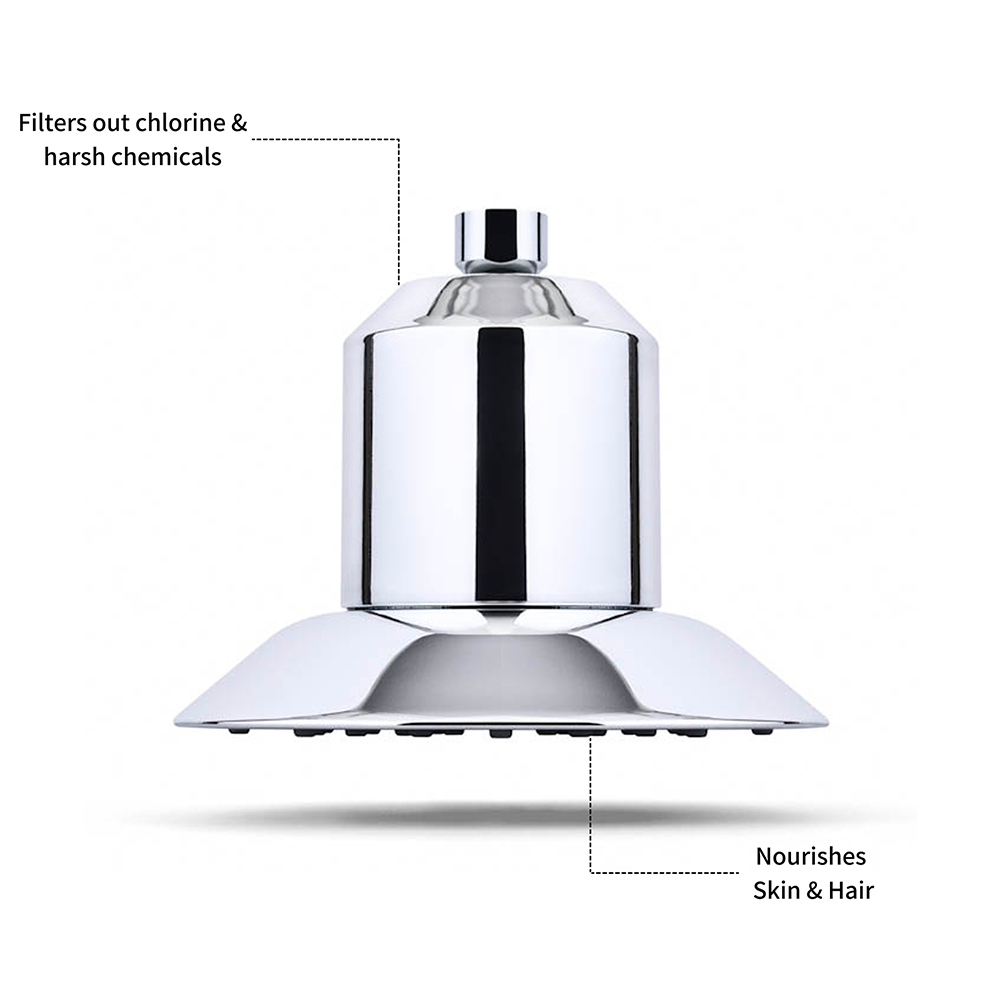
Afina Filtered Showerhead
15-stage filtered showerhead that removes chlorine, heavy metals, and other contaminants while providing great water pressure.
✨ All-in-one solution — filters water and gives you a premium shower experience
Shop Now →Afina Shower Filter
Universal shower filter that attaches to any existing showerhead. Removes chlorine, chloramine, and sediment.
✨ Keep your current showerhead and add powerful filtration
Shop Now →Afina Replacement Filter
Replacement filter cartridge for Afina shower filters. Lasts up to 6 months or 10,000 gallons.
✨ Easy replacement every 2-3 months to maintain peak filtration
Shop Now →❓ Frequently Asked Questions
Related Reading
Is Augusta tap water safe to shower in?
Augusta's tap water meets federal safety standards for drinking water, but showering introduces unique exposure routes like skin absorption and steam inhalation. While generally safe, contaminants like chloramine and disinfection byproducts can impact sensitive individuals, especially those with skin or respiratory conditions.
How does hard water in Augusta affect my skin and hair?
Augusta's water, while not extremely hard, still contains minerals that can leave a residue on skin and hair. This can lead to dryness, irritation, dull hair, and make soaps and shampoos less effective, potentially worsening conditions like eczema or making hair feel rough.
What is the chlorine smell I sometimes notice in my Augusta shower?
The smell is primarily due to chloramines, a disinfectant used by the Augusta Water District to ensure microbial safety. While effective, chloramines can volatilize in hot shower water, creating that distinct odor and potentially irritating respiratory passages for some individuals.
Are shower filters really effective for Augusta's water?
Yes, high-quality shower filters are very effective at reducing contaminants like chloramine, chlorine, heavy metals, and some disinfection byproducts. They can significantly improve water quality for showering, leading to healthier skin and hair and reduced chemical exposure in steam.
Are there specific concerns about the Kennebec River as a water source?
The Kennebec River is a significant regional waterway, and like all surface water sources, it requires robust treatment to ensure safety. The Augusta Water District's comprehensive treatment process is designed to address potential contaminants from the river, ensuring it meets drinking water standards before reaching your home.
See what's in your water.
Run a free 60-second report for your ZIP code.