

Is Lansing, Michigan Shower Water Safe? What's In Your Water (2026)
 Khat Cruz
Last updated: April 2026.
Is Lansing, Michigan Shower Water Safe?
Population: 112,644 · Water Source: Grand River, Groundwater wells
Understanding what's in your shower water is crucial for your health and well-being, especially in Lansing, Michigan. While Lansing's tap water meets federal drinking standards, contaminants present in your shower water can still impact your skin, hair, and respiratory health. Don't let hidden elements in your daily shower undermine your efforts for a healthy lifestyle.
💧 Where Does Lansing's Water Come From?
Primary Source: Grand River, Groundwater wells
Lansing's drinking water is supplied by a blend of groundwater from wells and surface water from the Grand River. The Lansing Board of Water & Light (BWL) operates multiple well fields and a surface water treatment plant to ensure a reliable supply. This mixed source system undergoes rigorous treatment before reaching homes.
Treatment: Chloramination, coagulation, flocculation, sedimentation, filtration
🔬 What's In Lansing's Shower Water?
Here are the key contaminants detected in Lansing's water supply based on real testing data from the EWG Tap Water Database:
| Contaminant | Level Found | EPA Limit | EWG Guideline | Status |
|---|---|---|---|---|
| Radium, combined (-226 and -228) | 5.10 pCi/L | 5.0 pCi/L | 0.050 pCi/L | 🚨 ABOVE EPA LIMIT (102x above) |
| Arsenic | 1.29 ppb | 10.0 ppb | 0.0040 ppb | ⚠️ Exceeds EWG Health Guideline (321x above) |
| Total trihalomethanes (TTHMs) | 32.33 ppb | 80.0 ppb | 0.150 ppb | ⚠️ Exceeds EWG Health Guideline (216x above) |
| Haloacetic acids (HAA9) | 12.69 ppb | No federal limit | 0.060 ppb | ⚠️ Exceeds EWG Health Guideline (211x above) |
| Haloacetic acids (HAA5) | 13.08 ppb | 60.0 ppb | 0.100 ppb | ⚠️ Exceeds EWG Health Guideline (131x above) |
| Chromium (hexavalent) | 0.342 ppb | No federal limit | 0.020 ppb | ⚠️ Exceeds EWG Health Guideline (17x above) |
| Nitrate | 0.317 ppm | 10.0 ppm | 0.140 ppm | ⚠️ Exceeds EWG Health Guideline (2x above) |
| Chlorate | 173.8 ppb | No federal limit | 210.00 ppb | ⚠️ No Federal Limit |
| Manganese | 48.35 ppb | No federal limit | 100.00 ppb | ⚠️ No Federal Limit |
| Strontium | 0.463 ppb | No federal limit | 1500.00 ppb | ⚠️ No Federal Limit |
Contaminant Details
Radium, combined (-226 and -228)
The health guideline of for radium, combined (-226 and -228) was defined by the California Office of Environmental Health Hazard Assessment as . This health guideline protects against cancer.
Comparison: State average: 1.33 pCi/L. National average: 0.332 pCi/L.
Shower Impact: Radioactive contaminants can become aerosolized in shower steam and inhaled, adding to overall exposure.
Arsenic
The health guideline of 0.004 ppb for arsenic was defined by the California Office of Environmental Health Hazard Assessment as a public health goal, the level of a drinking water contaminant that does not pose a significant health risk. This health guideline protects against cancer.
Comparison: State average: 2.96 ppb. National average: 0.624 ppb.
Shower Impact: Arsenic in shower water can be absorbed through the skin. Long hot showers increase exposure time and absorption.
Total trihalomethanes (TTHMs)
The health guideline of 0.15 ppb for trihalomethanes was defined by in a peer-reviewed scientific study by EWG and represents a one-in-one-million lifetime cancer risk level. as a draft public health goal, the level of drinking water contaminant that does not pose a significant health risk. This health guideline protects against cancer.
Comparison: State average: 27.81 ppb. National average: 29.06 ppb.
Shower Impact: These disinfection byproducts become airborne in hot shower steam. You can inhale and absorb them through your skin, potentially increasing your exposure beyond just drinking water.
Haloacetic acids (HAA9)
The health guideline of 0.06 ppb for haloacetic acids (HAA9) was defined by EWG . This health guideline protects against cancer.
Comparison: State average: 22.09 ppb. National average: 23.70 ppb.
Shower Impact: These disinfection byproducts become airborne in hot shower steam. You can inhale and absorb them through your skin, potentially increasing your exposure beyond just drinking water.
Haloacetic acids (HAA5)
The health guideline of 0.1 ppb for haloacetic acids (HAA5) was defined by as . This health guideline protects against cancer.
Comparison: State average: 13.77 ppb. National average: 19.82 ppb.
Shower Impact: These disinfection byproducts become airborne in hot shower steam. You can inhale and absorb them through your skin, potentially increasing your exposure beyond just drinking water.
Chromium (hexavalent)
The health guideline of 0.02 ppb for chromium (hexavalent) was defined by the California Office of Environmental Health Hazard Assessment as a public health goal, the level of a drinking water contaminant that does not pose a significant health risk. This health guideline protects against cancer.
Comparison: State average: 0.146 ppb. National average: 0.440 ppb.
Shower Impact: Hexavalent chromium can be absorbed through the skin during bathing, adding to overall exposure beyond drinking water.
Nitrate
The health guideline of 0.14 ppm for nitrate was defined in a peer-reviewed scientific study by EWG and corresponds to one-in-one-million annual cancer risk level.
Comparison: State average: 0.396 ppm. National average: 0.824 ppm.
Shower Impact: While primarily a drinking water concern, nitrates can contribute to skin irritation during extended shower exposure.
Chlorate
The health guideline of 210 ppb for chlorate was defined by the Environmental Protection Agency as a benchmark for testing under the Unregulated Contaminant Monitoring Rule program. This health guideline protects against hormone disruption.
Comparison: State average: 42.64 ppb. National average: 116.8 ppb.
Shower Impact: Contaminants in shower water can be absorbed through the skin and inhaled as steam, increasing your daily exposure beyond what you get from drinking water alone.
Manganese
The health guideline of 100 ppb for manganese was defined by the state of Minnesota as a health risk limit, the concentration of a contaminant that can be consumed with little or no risk to health. This health guideline protects against harm to the brain and nervous system.
Comparison: State average: 8.85 ppb. National average: 8.66 ppb.
Shower Impact: Contaminants in shower water can be absorbed through the skin and inhaled as steam, increasing your daily exposure beyond what you get from drinking water alone.
Strontium
The health guideline of 1,500 ppb for strontium was defined by the Environmental Protection Agency as a benchmark for testing under the Unregulated Contaminant Monitoring Rule program. This health guideline protects against harm to bones.
Comparison: State average: 0.130 ppb. National average: 0.488 ppb.
Shower Impact: Contaminants in shower water can be absorbed through the skin and inhaled as steam, increasing your daily exposure beyond what you get from drinking water alone.
🧴 How Lansing's Water Affects Your Skin, Hair & Health
When you shower, contaminants in the water don't just wash off — they're absorbed through your skin and inhaled as steam. Here's how Lansing's water quality may be affecting you:
🧖 Skin Effects
- Increased dryness and flakiness, especially for sensitive skin
- Exacerbation of eczema, psoriasis, and other skin irritations
- Reduced effectiveness of soaps and moisturizers due to mineral residue
- Dullness and lack of radiance
💇 Hair Effects
- Dry, brittle, and frizzy hair texture
- Fading of hair color and chemical treatments
- Scalp irritation and buildup of mineral residue
- Reduced lathering of shampoos, leading to more product use
🫁 Respiratory Effects
- Irritation of nasal passages and airways from inhaled chloramine and TTHM vapors
- Potential triggers for asthma and allergy symptoms
- Sinus dryness and discomfort
- General respiratory sensitivity, especially in poorly ventilated bathrooms
✅ What You Can Do About It
Test Your Shower Water
Understanding the specific contaminants and hardness levels in your home's water allows for targeted solutions. Home test kits or professional lab testing can provide accurate data.
Install a Quality Shower Filter
A good shower filter can significantly reduce chloramine, heavy metals, and other contaminants, leading to softer skin, healthier hair, and improved air quality during your shower.
Reduce Shower Time and Temperature
Shorter, cooler showers minimize exposure to hot steam laden with volatile chemicals and reduce the stripping of natural oils from your skin and hair.
Moisturize Immediately After Showering
Applying a high-quality moisturizer to damp skin within minutes of showering helps lock in hydration and creates a protective barrier against environmental stressors.
Improve Bathroom Ventilation
Ensure your bathroom is well-ventilated during and after showering to reduce the concentration of chemical vapors and improve overall air quality.
Protect Your Skin & Hair From Lansing's Water
The easiest way to remove chlorine, heavy metals, and other contaminants from your shower water.
Shop Afina Filtered Showerheads →🛒 Recommended Products for Lansing Residents
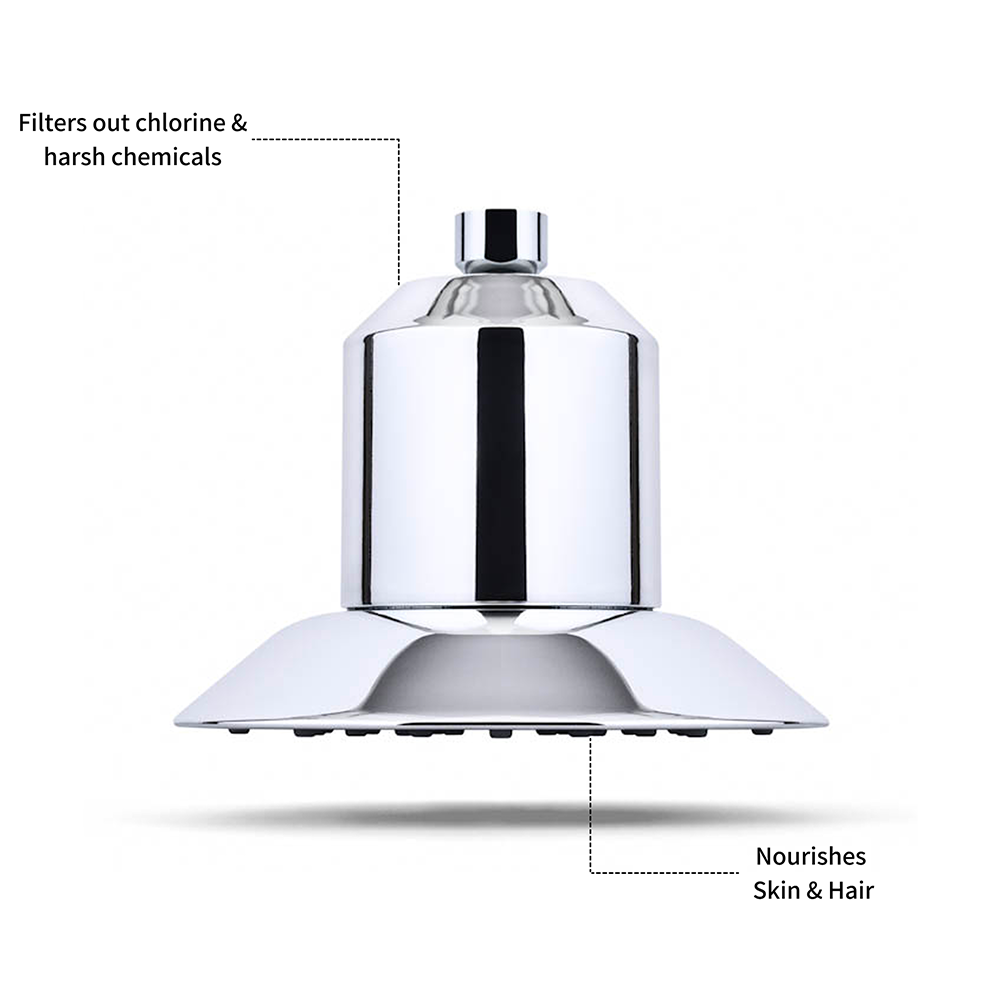
Afina Filtered Showerhead
15-stage filtered showerhead that removes chlorine, heavy metals, and other contaminants while providing great water pressure.
✨ All-in-one solution — filters water and gives you a premium shower experience
Shop Now →Afina Shower Filter
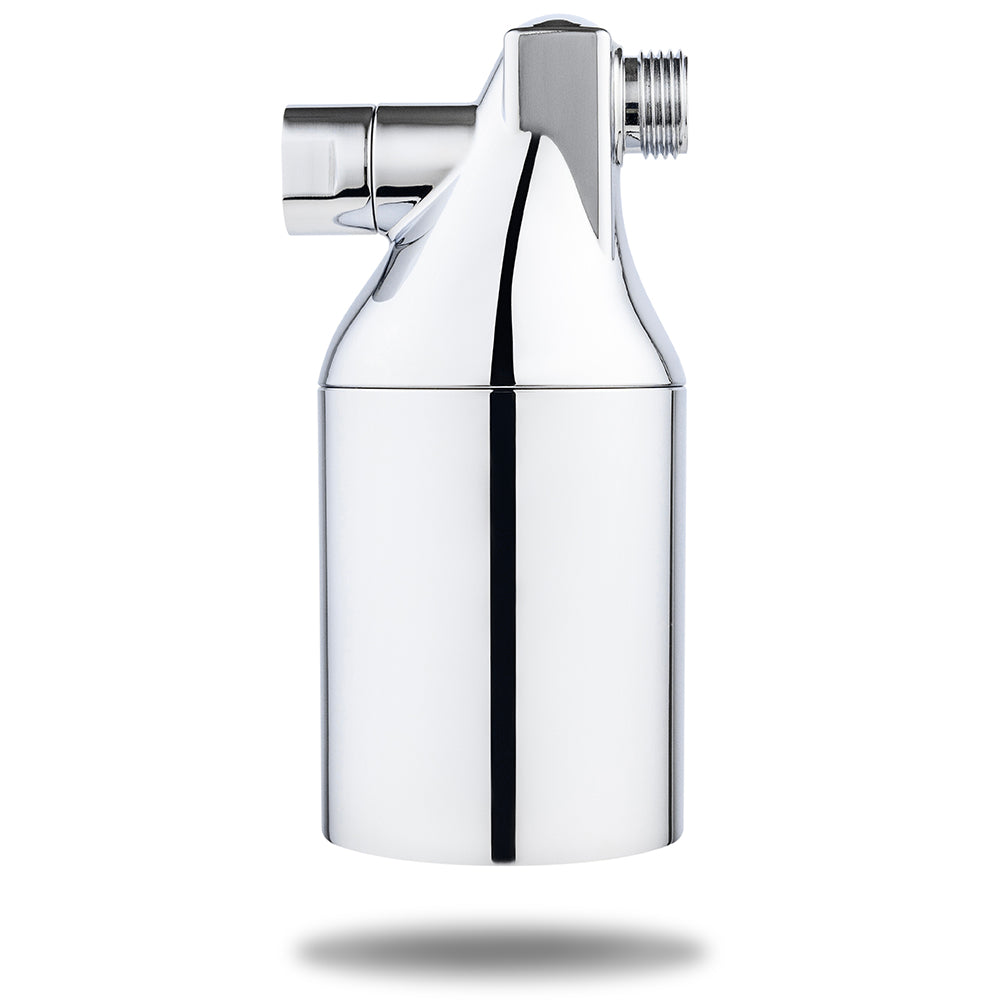
Universal shower filter that attaches to any existing showerhead. Removes chlorine, chloramine, and sediment.
✨ Keep your current showerhead and add powerful filtration
Shop Now →Afina Replacement Filter
Replacement filter cartridge for Afina shower filters. Lasts up to 6 months or 10,000 gallons.
✨ Easy replacement every 2-3 months to maintain peak filtration
Shop Now →❓ Frequently Asked Questions
Related Reading
Is Lansing tap water safe to shower in?
While Lansing's tap water meets federal drinking water standards, showering can expose you to contaminants differently than drinking. Inhaling chemical vapors and skin absorption can pose concerns, especially for sensitive individuals or those with specific health conditions.
Why does my skin feel dry and itchy after showering in Lansing?
Lansing's water is moderately hard and contains chloramine, which can strip natural oils from your skin. These factors, combined with mineral residue, contribute to dryness, itchiness, and can exacerbate conditions like eczema.
Does Lansing's water cause hair damage?
Yes, the hardness minerals and chloramine in Lansing's water can lead to dry, brittle hair, scalp buildup, and even fade color-treated hair. The minerals prevent shampoo from lathering effectively and leave a dulling residue.
Are shower filters effective for Lansing water?
Absolutely. High-quality shower filters are designed to reduce chloramine, chlorine, heavy metals, and often improve the feel of hard water. This can lead to noticeable improvements in skin hydration, hair health, and a reduction in chemical odors.
What are TTHMs, and why are they a concern in my shower?
Total Trihalomethanes (TTHMs) are byproducts formed when disinfectants like chloramine react with organic matter in water. They are volatile organic compounds that can become airborne in hot shower steam, leading to inhalation exposure and potential long-term health risks.


