


Last updated: March 2026
If you live in Raleigh, NC, your tap water contains 29 detected contaminants — many of which exceed health guidelines set by the Environmental Working Group (EWG). While your water may be "legal," legal doesn't mean safe.
Every time you shower, your skin and hair absorb these chemicals through steam and direct contact. Here's exactly what's in your water and what you can do about it.

What's in Raleigh's Water? 29 Contaminants Detected
According to EWG's Tap Water Database, water systems serving Raleigh, NC have detected 29 contaminants across 2 water systems. Of these, 10 exceed EWG health guidelines — the science-based limits that actually protect your health.
Contaminants Exceeding Health Guidelines
| Contaminant | Amount Detected | Health Guideline | Over Limit | Health Risk |
|---|---|---|---|---|
| Haloacetic acids (HAA9) | 0.0199 ppb | 0.0001 ppb | 332x | Under review |
| Haloacetic acids (HAA5) | 0.0157 ppb | 0.0001 ppb | 157x | cancer |
| Total trihalomethanes (TTHMs) | 0.0217 ppb | 0.0001 ppb | 145x | cancer |
| Bromodichloromethane | 0.0052 ppb | 0.0001 ppb | 87x | cancer |
| Dichloroacetic acid | 0.0114 ppb | 0.0002 ppb | 57x | cancer |
| Trichloroacetic acid | 0.0039 ppb | 0.0001 ppb | 39x | cancer |
| Chloroform | 0.0145 ppb | 0.0004 ppb | 36x | cancer |
| Dibromochloromethane | 0.0021 ppb | 0.0001 ppb | 21x | cancer |
Important: The EPA's legal limits (MCLs) are often decades old and don't reflect current science. EWG's health guidelines are based on the latest peer-reviewed research on cancer risk, reproductive harm, and developmental effects.
How Raleigh's Water Affects Your Skin and Hair
You might think your tap water is only a concern when you drink it. But your skin is your largest organ, and studies show you absorb more chlorine through a 10-minute shower than drinking 8 glasses of the same water.
Here's what Raleigh, NC water contaminants do to your body:
- Dry, itchy skin: Chlorine and chloramine strip your skin's natural oils, causing dryness, irritation, and eczema flare-ups
- Hair damage: Hard water minerals coat hair strands, making them brittle, dull, and prone to breakage and thinning
- Acne and breakouts: Chemical residues clog pores and disrupt your skin barrier, triggering inflammatory acne
- Color-treated hair fading: Chlorine is a bleaching agent — it strips hair color faster than anything else
Cancer-Linked Contaminants in Raleigh Water
14 contaminants detected in Raleigh, NC water are linked to increased cancer risk:
- Haloacetic acids (HAA5) — cancer
- Total trihalomethanes (TTHMs) — cancer
- Bromodichloromethane — cancer
- Dichloroacetic acid — cancer
- Trichloroacetic acid — cancer
- Chloroform — cancer
While these levels may be within legal limits, the EWG notes that legal doesn't equal safe. Many of these legal limits haven't been updated in 20+ years.
Where Do These Contaminants Come From?
The contaminants in Raleigh's water come from multiple sources:
Your local water utility treats the water to meet federal standards, but treatment itself creates byproducts (like trihalomethanes and haloacetic acids) that carry their own health risks.

How to Protect Yourself: Filter Your Shower Water
The most effective way to reduce your exposure to Raleigh's water contaminants during showers is a high-quality shower filter. A carbon-based shower filter can remove or reduce 19 of the 29 contaminants detected in your area.
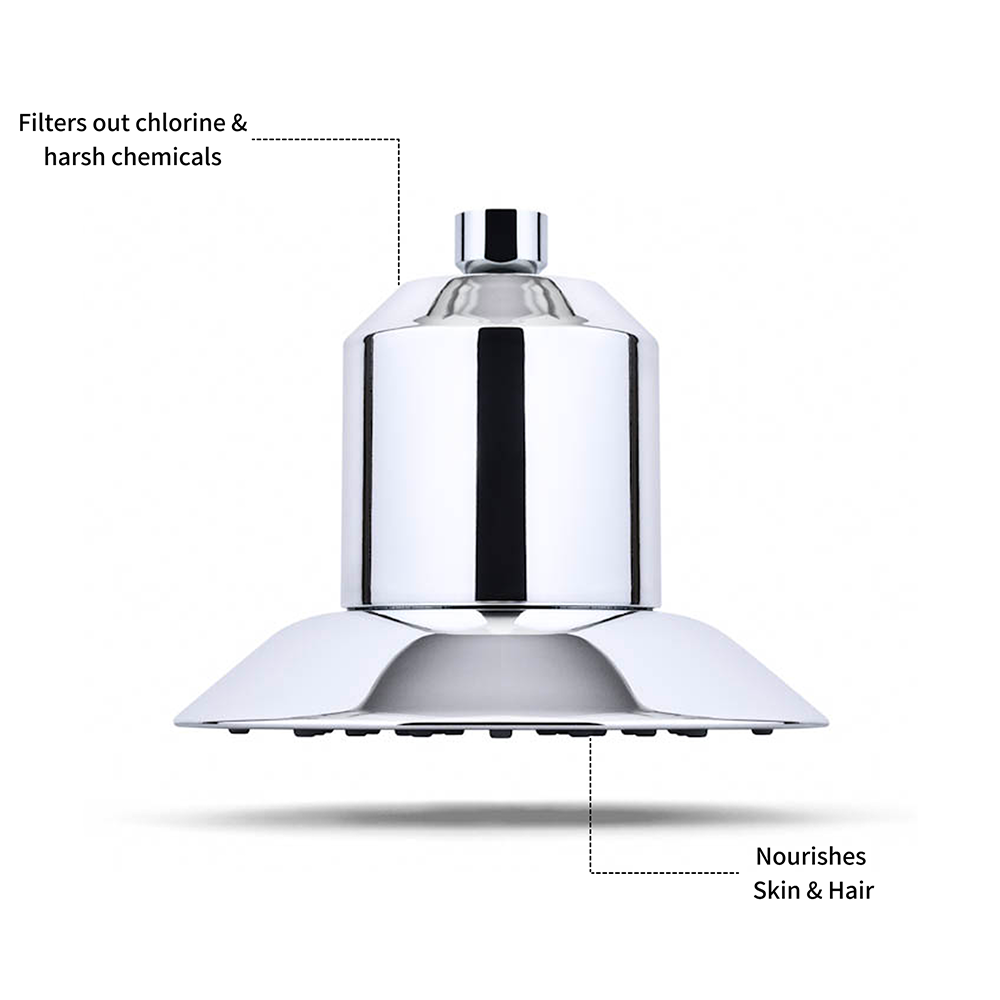
The Afina Filtered Showerhead ($99) uses a multi-stage filtration system including KDF-55 and activated carbon to remove:
- Up to 99% of chlorine
- Heavy metals (lead, mercury, nickel)
- Sediment and rust particles
- Volatile organic compounds (VOCs)
- Chloramine and trihalomethanes
If you already have a shower head you love, the Afina Shower Filter ($47) installs between your pipe and existing shower head in under 5 minutes — no tools needed.

🚿 Protect Your Skin and Hair from Raleigh's Water
Join thousands of customers who've transformed their shower experience with Afina's filtered shower solutions.
Shop Filtered Showerhead — $99 Shop Shower Filter — $47
Free shipping • 60-day money-back guarantee • Installs in minutes
Raleigh vs National Average
How does Raleigh, NC water compare to the rest of the country?
- Total contaminants detected: 29 (national average: ~25-30)
- Contaminants above EWG guidelines: 10
- Number of water systems: 2
Raleigh's water quality is roughly in line with the national average — which, unfortunately, still means daily exposure to chemicals that exceed science-based health guidelines.

Frequently Asked Questions About Raleigh Water Quality
Is Raleigh tap water safe to shower in?
Raleigh's water meets federal legal standards, but 10 contaminants exceed EWG's science-based health guidelines. A shower filter adds an extra layer of protection for your skin and hair.
What contaminants are in Raleigh's water?
29 contaminants have been detected in Raleigh, NC water systems, including Haloacetic acids (HAA9), Haloacetic acids (HAA5), Total trihalomethanes (TTHMs), and more.
Does a shower filter help with hard water in Raleigh?
Yes. The Afina Filtered Showerhead reduces hard water minerals, chlorine, and heavy metals that cause dry skin, brittle hair, and mineral buildup.
How often should I replace my shower filter in Raleigh?
With Raleigh's water quality, we recommend replacing the filter cartridge every 3-4 months (or every 10,000 gallons) for optimal performance.
Can Raleigh's water cause hair loss?
Hard water and chlorine don't directly cause hair loss, but they damage the hair shaft, leading to breakage and thinning that looks like hair loss. Read more about filtered showerheads and hair loss.
Where does Raleigh get its water?
Raleigh's water comes from 2 water systems that source water from a combination of surface water and groundwater. The specific contaminant profile depends on local geology, agriculture, and industrial activity.
Related Articles
- Dry, Itchy Skin After Showering? Your Water Is the Problem
- Best Shower Head for Hard Water in 2026
- How Safe Is Your Shower Water?
See what's in your water.
Run a free 60-second report for your ZIP code.