


Is Bakersfield, California Shower Water Safe?
For health-conscious residents and families in Bakersfield, California, understanding what's in your shower water is crucial for well-being. By 2026, concerns about skin dryness, hair damage, and potential contaminant exposure from daily showers are more relevant than ever. This guide provides an in-depth look at Bakersfield's water quality, empowering you to make informed decisions for a safer showering experience.
💧 Where Does Bakersfield's Water Come From?
Primary Source: Kern River, State Water Project, Groundwater
Bakersfield's water supply is a blend of surface water from the Kern River and the State Water Project, supplemented by groundwater pumped from local aquifers. This diverse sourcing helps ensure supply reliability, but also means the water can carry characteristics from various geological and environmental influences. The water undergoes rigorous treatment processes before reaching your home.
Treatment: Coagulation, flocculation, sedimentation, filtration, disinfection (chloramination)
🔬 What's In Bakersfield's Shower Water?
Here are the key contaminants detected in Bakersfield's water supply based on real testing data from the EWG Tap Water Database:
| Contaminant | Level Found | EPA Limit | EWG Guideline | Status |
|---|---|---|---|---|
| Perfluorohexane sulfonate (PFHXS) | 0.0000 ppt | 1e-05 ppt | 0.0000 ppt | ⚠️ Exceeds EWG Health Guideline (1468x above) |
| Haloacetic acids (HAA9) | 54.52 ppb | No federal limit | 0.060 ppb | ⚠️ Exceeds EWG Health Guideline (909x above) |
| Arsenic | 3.13 ppb | 10.0 ppb | 0.0040 ppb | ⚠️ Exceeds EWG Health Guideline (781x above) |
| Haloacetic acids (HAA5) | 36.47 ppb | 60.0 ppb | 0.100 ppb | ⚠️ Exceeds EWG Health Guideline (365x above) |
| Total trihalomethanes (TTHMs) | 45.19 ppb | 80.0 ppb | 0.150 ppb | ⚠️ Exceeds EWG Health Guideline (301x above) |
| Trichloroacetic acid | 19.04 ppb | No federal limit | 0.100 ppb | ⚠️ Exceeds EWG Health Guideline (190x above) |
| Bromodichloromethane | 6.96 ppb | No federal limit | 0.060 ppb | ⚠️ Exceeds EWG Health Guideline (116x above) |
| Chloroform | 35.27 ppb | No federal limit | 0.400 ppb | ⚠️ Exceeds EWG Health Guideline (88x above) |
| Dichloroacetic acid | 15.14 ppb | No federal limit | 0.200 ppb | ⚠️ Exceeds EWG Health Guideline (76x above) |
| Perfluorononanoic acid (PFNA) | 0.0000 ppt | 1e-05 ppt | 0.0000 ppt | ⚠️ Exceeds EWG Health Guideline (35x above) |
Contaminant Details
Perfluorohexane sulfonate (PFHXS)
The health guideline of 0.001 ppt for perfluorohexane sulfonate was defined by EWG based on studies by Phillipe Grandjean of Harvard University and many other independent researchers who found reduced effectiveness of vaccines and adverse impacts on mammary gland development from exposure to PFOA and PFOS, the two PFAS most widely detected in drinking water. This health guideline harm to the developing immune system.
Comparison: State average: 0.0000 ppt. National average: 0.0000 ppt.
Shower Impact: Contaminants in shower water can be absorbed through the skin and inhaled as steam, increasing your daily exposure beyond what you get from drinking water alone.
Haloacetic acids (HAA9)
The health guideline of 0.06 ppb for haloacetic acids (HAA9) was defined by EWG . This health guideline protects against cancer.
Comparison: State average: 15.50 ppb. National average: 23.70 ppb.
Shower Impact: These disinfection byproducts become airborne in hot shower steam. You can inhale and absorb them through your skin, potentially increasing your exposure beyond just drinking water.
Arsenic
The health guideline of 0.004 ppb for arsenic was defined by the California Office of Environmental Health Hazard Assessment as a public health goal, the level of a drinking water contaminant that does not pose a significant health risk. This health guideline protects against cancer.
Comparison: State average: 0.899 ppb. National average: 0.624 ppb.
Shower Impact: Arsenic in shower water can be absorbed through the skin. Long hot showers increase exposure time and absorption.
Haloacetic acids (HAA5)
The health guideline of 0.1 ppb for haloacetic acids (HAA5) was defined by as . This health guideline protects against cancer.
Comparison: State average: 35.45 ppb. National average: 19.82 ppb.
Shower Impact: These disinfection byproducts become airborne in hot shower steam. You can inhale and absorb them through your skin, potentially increasing your exposure beyond just drinking water.
Total trihalomethanes (TTHMs)
The health guideline of 0.15 ppb for trihalomethanes was defined by in a peer-reviewed scientific study by EWG and represents a one-in-one-million lifetime cancer risk level. as a draft public health goal, the level of drinking water contaminant that does not pose a significant health risk. This health guideline protects against cancer.
Comparison: State average: 27.09 ppb. National average: 29.06 ppb.
Shower Impact: These disinfection byproducts become airborne in hot shower steam. You can inhale and absorb them through your skin, potentially increasing your exposure beyond just drinking water.
Trichloroacetic acid
The health guideline of 0.1 ppb for trichloroacetic acid was defined by the Environmental Protection Agency as a one-in-a-million lifetime risk of cancer. Values greater than one-in-a-million cancer risk level can result in increased cancer cases above one in a million people.
Comparison: State average: 3.71 ppb. National average: 6.57 ppb.
Shower Impact: These disinfection byproducts become airborne in hot shower steam. You can inhale and absorb them through your skin, potentially increasing your exposure beyond just drinking water.
Bromodichloromethane
The health guideline of 0.06 ppb for bromodichloromethane was defined by the California Office of Environmental Health Hazard Assessment as a one-in-a-million lifetime risk of cancer. Values greater than one-in-a-million cancer risk level can result in increased cancer cases above one in a million people.
Comparison: State average: 5.64 ppb. National average: 5.89 ppb.
Shower Impact: These disinfection byproducts become airborne in hot shower steam. You can inhale and absorb them through your skin, potentially increasing your exposure beyond just drinking water.
Chloroform
The health guideline of 0.4 ppb for chloroform was defined by the California Office of Environmental Health Hazard Assessment as a one-in-a-million lifetime risk of cancer. Values greater than one-in-a-million cancer risk level can result in increased cancer cases above one in a million people.
Comparison: State average: 10.45 ppb. National average: 16.20 ppb.
Shower Impact: These disinfection byproducts become airborne in hot shower steam. You can inhale and absorb them through your skin, potentially increasing your exposure beyond just drinking water.
Dichloroacetic acid
The health guideline of 0.2 ppb for dichloroacetic acid was defined by the Environmental Protection Agency as a one-in-a-million lifetime risk of cancer. Values greater than one-in-a-million cancer risk level can result in increased cancer cases above one in a million people.
Comparison: State average: 4.69 ppb. National average: 8.00 ppb.
Shower Impact: These disinfection byproducts become airborne in hot shower steam. You can inhale and absorb them through your skin, potentially increasing your exposure beyond just drinking water.
Perfluorononanoic acid (PFNA)
The health guideline of 0.006 ppt for perfluorononanoic acid was defined by EWG based on studies by Phillipe Grandjean of Harvard University and many other independent researchers who found reduced effectiveness of vaccines and adverse impacts on mammary gland development from exposure to PFOA and PFOS, the two PFAS most widely detected in drinking water. This health guideline harm to the immune system and harm to fetal growth and child development.
Comparison: State average: 0.0000 ppt. National average: 0.0000 ppt.
Shower Impact: Contaminants in shower water can be absorbed through the skin and inhaled as steam, increasing your daily exposure beyond what you get from drinking water alone.
🧴 How Bakersfield's Water Affects Your Skin, Hair & Health
When you shower, contaminants in the water don't just wash off — they're absorbed through your skin and inhaled as steam. Here's how Bakersfield's water quality may be affecting you:
🧖 Skin Effects
- Increased dryness and irritation, especially for eczema sufferers
- Itchiness and redness due to chlorine and mineral residue
- Soap scum buildup on skin, potentially clogging pores
- Exacerbation of existing skin conditions like acne or psoriasis
💇 Hair Effects
- Dry, brittle, and damaged hair strands
- Fading of hair color and dullness
- Difficulty lathering shampoo, leading to increased product use
- Scalp irritation and flakiness from mineral deposits
🫁 Respiratory Effects
- Irritation of nasal passages and throat from chloramine vapors
- Exacerbation of asthma or other respiratory sensitivities due to inhaled disinfection byproducts
- Coughing or shortness of breath in enclosed, steamy environments
- Potential long-term respiratory issues from chronic inhalation of volatile organic compounds
✅ What You Can Do About It
Test Your Water
Understanding your home's specific water profile is the first step. Home testing kits can reveal levels of hardness, chlorine, and other common contaminants, providing personalized insights.
Install a Quality Shower Filter
A high-quality shower filter can significantly reduce chlorine, chloramines, heavy metals, and other impurities. This leads to noticeable improvements in skin hydration, hair health, and overall showering comfort.
Shorten Shower Times
Minimizing your exposure time to hot, steamy water reduces the amount of volatile contaminants you inhale and absorb through your skin.
Ensure Bathroom Ventilation
Using an exhaust fan or opening a window during and after showering helps dissipate steam and airborne contaminants, improving air quality in your bathroom.
Moisturize Immediately Post-Shower
Applying a rich, hydrating moisturizer to damp skin within minutes of showering helps lock in moisture and counteract the drying effects of hard or chlorinated water.
🛒 Recommended Products for Bakersfield Residents
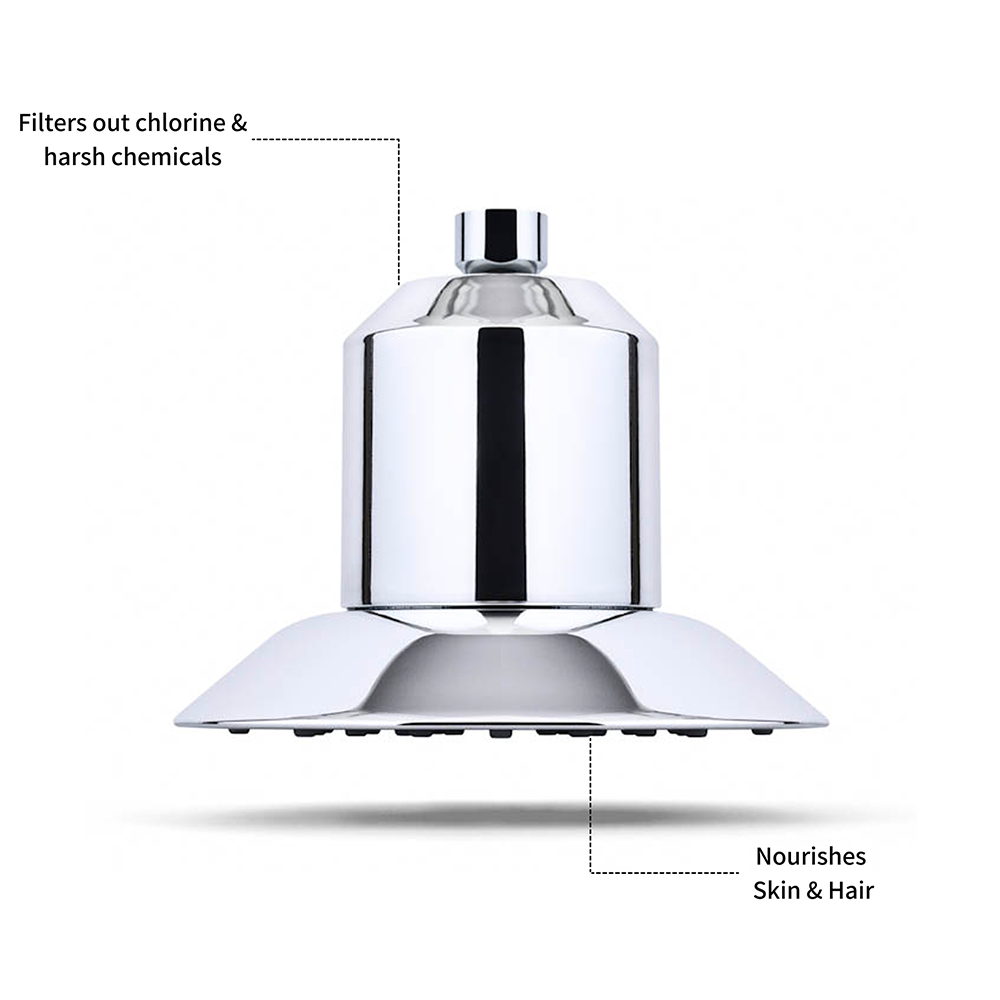
Afina Filtered Showerhead
15-stage filtered showerhead that removes chlorine, heavy metals, and other contaminants while providing great water pressure.
✨ All-in-one solution — filters water and gives you a premium shower experience
Shop Now →Afina Shower Filter
Universal shower filter that attaches to any existing showerhead. Removes chlorine, chloramine, and sediment.
✨ Keep your current showerhead and add powerful filtration
Shop Now →Afina Replacement Filter
Replacement filter cartridge for Afina shower filters. Lasts up to 6 months or 10,000 gallons.
✨ Easy replacement every 2-3 months to maintain peak filtration
Shop Now →❓ Frequently Asked Questions
Related Reading
- why your skin feels dry after showering
- trihalomethanes in treated water
- hexavalent chromium in water
- shower water quality in Anaheim, California
- shower water quality in Chula Vista, California
Is Bakersfield tap water safe to shower in?
While Bakersfield's tap water meets federal safety standards for drinking, showering introduces unique concerns. Contaminants like chloramines and disinfection byproducts can become airborne in steam and absorb through the skin, potentially causing irritation or long-term health effects for sensitive individuals. For optimal safety, especially for those with skin or respiratory issues, additional filtration is often recommended.
Why does my skin feel dry and itchy after showering in Bakersfield?
Bakersfield water is notably hard, containing high levels of minerals like calcium and magnesium, in addition to chloramines used for disinfection. These minerals can leave a residue on your skin, disrupting its natural moisture barrier, while chloramines can strip away natural oils, leading to dryness, itchiness, and irritation, particularly for those with sensitive skin or eczema.
Can a shower filter really make a difference for my hair and skin in Bakersfield?
Absolutely. A quality shower filter is designed to reduce common culprits like chlorine, chloramines, and heavy metals, as well as some hardness minerals, before they touch your skin and hair. Users often report softer skin, less hair damage, improved lathering of soaps, and a significant reduction in the chemical smell associated with Bakersfield's water.
Are there specific contaminants in Bakersfield's water that affect children more?
Children are often more susceptible to contaminants due to their developing systems and higher skin surface area to body weight ratio. Disinfection byproducts (TTHMs, HAA5s) inhaled in shower steam are a particular concern, as is lead from old plumbing, which can have significant developmental impacts. Protecting children from these exposures is a key reason many parents consider shower water filtration.
What is 'hard water' and how does it affect my shower experience?
'Hard water' refers to water with a high concentration of dissolved minerals, primarily calcium and magnesium, which is characteristic of Bakersfield's supply. In the shower, hard water prevents soap from lathering effectively, leaves mineral residue on your skin and hair, and contributes to dryness, dullness, and scale buildup on fixtures.
See what's in your water.
Run a free 60-second report for your ZIP code.