


Is Coral Springs, Florida Shower Water Safe?
For residents of Coral Springs, Florida, understanding what's in your shower water is crucial for health and well-being. While your tap water meets federal drinking standards, contaminants like chloramine and hard minerals can significantly impact skin, hair, and respiratory health, making it essential to be informed about your daily shower experience.
💧 Where Does Coral Springs's Water Come From?
Primary Source: Biscayne Aquifer
Coral Springs draws its water primarily from the Biscayne Aquifer, a vast underground limestone formation. This natural source is treated at the city's water treatment plants through processes like lime softening to reduce hardness, filtration, and chloramination for disinfection, ensuring it meets safe drinking water standards before distribution.
Treatment: Lime softening, filtration, chloramination
🔬 What's In Coral Springs's Shower Water?
Here are the key contaminants detected in Coral Springs's water supply based on real testing data from the EWG Tap Water Database:
| Contaminant | Level Found | EPA Limit | EWG Guideline | Status |
|---|---|---|---|---|
| Perfluorohexane sulfonate (PFHXS) | 0.0000 ppt | 1e-05 ppt | 0.0000 ppt | ⚠️ Exceeds EWG Health Guideline (4700x above) |
| Perfluorooctane sulfonate (PFOS) | 0.0000 ppt | 4e-06 ppt | 0.0000 ppt | 🚨 ABOVE EPA LIMIT (74x above) |
| Haloacetic acids (HAA9) | 38.80 ppb | No federal limit | 0.060 ppb | ⚠️ Exceeds EWG Health Guideline (647x above) |
| Perfluorooctanoic acid (PFOA) | 0.0000 ppt | 4e-06 ppt | 0.0000 ppt | 🚨 ABOVE EPA LIMIT (60x above) |
| Total trihalomethanes (TTHMs) | 45.93 ppb | 80.0 ppb | 0.150 ppb | ⚠️ Exceeds EWG Health Guideline (306x above) |
| Haloacetic acids (HAA5) | 24.87 ppb | 60.0 ppb | 0.100 ppb | ⚠️ Exceeds EWG Health Guideline (249x above) |
| Arsenic | 0.267 ppb | 10.0 ppb | 0.0040 ppb | ⚠️ Exceeds EWG Health Guideline (67x above) |
| Radium, combined (-226 and -228) | 1.15 pCi/L | 5.0 pCi/L | 0.050 pCi/L | ⚠️ Exceeds EWG Health Guideline (23x above) |
| Chromium (hexavalent) | 0.220 ppb | No federal limit | 0.020 ppb | ⚠️ Exceeds EWG Health Guideline (11x above) |
| Cadmium | 0.300 ppb | 5.0 ppb | 0.040 ppb | ⚠️ Exceeds EWG Health Guideline (7x above) |
Contaminant Details
Perfluorohexane sulfonate (PFHXS)
The health guideline of 0.001 ppt for perfluorohexane sulfonate was defined by EWG based on studies by Phillipe Grandjean of Harvard University and many other independent researchers who found reduced effectiveness of vaccines and adverse impacts on mammary gland development from exposure to PFOA and PFOS, the two PFAS most widely detected in drinking water. This health guideline harm to the developing immune system.
Comparison: State average: 0.0000 ppt. National average: 0.0000 ppt.
Shower Impact: Contaminants in shower water can be absorbed through the skin and inhaled as steam, increasing your daily exposure beyond what you get from drinking water alone.
Perfluorooctane sulfonate (PFOS)
The health guideline of 0.3 ppt for PFOS was defined by EWG based on studies by Phillipe Grandjean of Harvard University and many other independent researchers who found reduced effectiveness of vaccines and adverse impacts on mammary gland development from exposure to PFOA and PFOS, the two PFAS most widely detected in drinking water. This health guideline cardiovascular harm and harm to fetal growth.
Comparison: State average: 0.0000 ppt. National average: 0.0000 ppt.
Shower Impact: Contaminants in shower water can be absorbed through the skin and inhaled as steam, increasing your daily exposure beyond what you get from drinking water alone.
Haloacetic acids (HAA9)
The health guideline of 0.06 ppb for haloacetic acids (HAA9) was defined by EWG . This health guideline protects against cancer.
Comparison: State average: 25.74 ppb. National average: 23.70 ppb.
Shower Impact: These disinfection byproducts become airborne in hot shower steam. You can inhale and absorb them through your skin, potentially increasing your exposure beyond just drinking water.
Perfluorooctanoic acid (PFOA)
The health guideline of 0.09 ppt for PFOA was defined by California Office of Environmental Health Hazard Assessment as a public health goal, the level of a drinking water contaminant that does not pose a significant health risk. This health guideline Harm to the immune system; harm to fetal growth and child development; increased cholesterol.
Comparison: State average: 0.0000 ppt. National average: 0.0000 ppt.
Shower Impact: Contaminants in shower water can be absorbed through the skin and inhaled as steam, increasing your daily exposure beyond what you get from drinking water alone.
Total trihalomethanes (TTHMs)
The health guideline of 0.15 ppb for trihalomethanes was defined by in a peer-reviewed scientific study by EWG and represents a one-in-one-million lifetime cancer risk level. as a draft public health goal, the level of drinking water contaminant that does not pose a significant health risk. This health guideline protects against cancer.
Comparison: State average: 30.71 ppb. National average: 29.06 ppb.
Shower Impact: These disinfection byproducts become airborne in hot shower steam. You can inhale and absorb them through your skin, potentially increasing your exposure beyond just drinking water.
Haloacetic acids (HAA5)
The health guideline of 0.1 ppb for haloacetic acids (HAA5) was defined by as . This health guideline protects against cancer.
Comparison: State average: 18.88 ppb. National average: 19.82 ppb.
Shower Impact: These disinfection byproducts become airborne in hot shower steam. You can inhale and absorb them through your skin, potentially increasing your exposure beyond just drinking water.
Arsenic
The health guideline of 0.004 ppb for arsenic was defined by the California Office of Environmental Health Hazard Assessment as a public health goal, the level of a drinking water contaminant that does not pose a significant health risk. This health guideline protects against cancer.
Comparison: State average: 0.321 ppb. National average: 0.624 ppb.
Shower Impact: Arsenic in shower water can be absorbed through the skin. Long hot showers increase exposure time and absorption.
Radium, combined (-226 and -228)
The health guideline of for radium, combined (-226 and -228) was defined by the California Office of Environmental Health Hazard Assessment as . This health guideline protects against cancer.
Comparison: State average: 0.537 pCi/L. National average: 0.332 pCi/L.
Shower Impact: Radioactive contaminants can become aerosolized in shower steam and inhaled, adding to overall exposure.
Chromium (hexavalent)
The health guideline of 0.02 ppb for chromium (hexavalent) was defined by the California Office of Environmental Health Hazard Assessment as a public health goal, the level of a drinking water contaminant that does not pose a significant health risk. This health guideline protects against cancer.
Comparison: State average: 0.107 ppb. National average: 0.440 ppb.
Shower Impact: Hexavalent chromium can be absorbed through the skin during bathing, adding to overall exposure beyond drinking water.
Cadmium
The health guideline of 0.04 ppb for cadmium was defined by the California Office of Environmental Health Hazard Assessment as a public health goal, the level of a drinking water contaminant that does not pose a significant health risk. This health guideline protects against harm to internal organs.
Comparison: State average: 0.0083 ppb. National average: 0.0038 ppb.
Shower Impact: Contaminants in shower water can be absorbed through the skin and inhaled as steam, increasing your daily exposure beyond what you get from drinking water alone.
🧴 How Coral Springs's Water Affects Your Skin, Hair & Health
When you shower, contaminants in the water don't just wash off — they're absorbed through your skin and inhaled as steam. Here's how Coral Springs's water quality may be affecting you:
🧖 Skin Effects
- Dryness and itching, especially for sensitive skin types or eczema sufferers.
- Increased risk of irritation and redness from chloramine and hard water minerals.
- Soap scum residue that clogs pores and dulls skin.
- Exacerbation of existing skin conditions like eczema and psoriasis.
💇 Hair Effects
- Dry, brittle, and frizzy hair due to mineral and chemical exposure.
- Dullness and lack of shine due to mineral buildup.
- Faster fading of colored hair from chloramine.
- Difficulty lathering shampoo and conditioner, requiring more product.
🫁 Respiratory Effects
- Irritation of airways from inhaled chloramine and disinfection byproducts (TTHMs, HAA5).
- Potential trigger for asthma or other respiratory sensitivities.
- Dryness of nasal passages and throat from prolonged steam exposure.
- General discomfort from strong chemical odors in the bathroom.
✅ What You Can Do About It
Test Your Home's Water
A comprehensive home water test reveals specific contaminant levels at your tap, helping you understand what you're truly exposed to.
Install a Quality Shower Filter
Shower filters effectively reduce chloramine, chlorine, and some heavy metals, significantly improving water quality for skin and hair.
Limit Shower Time and Temperature
Shorter, cooler showers reduce exposure to hot steam laden with volatile contaminants and minimize skin dryness.
Moisturize Immediately After Showering
Applying moisturizer to damp skin helps lock in hydration, counteracting the drying effects of hard or chlorinated water.
Use pH-Balanced Skincare & Haircare
Products designed for hard water or sensitive skin can help mitigate negative effects and restore your skin and hair's natural balance.
🛒 Recommended Products for Coral Springs Residents
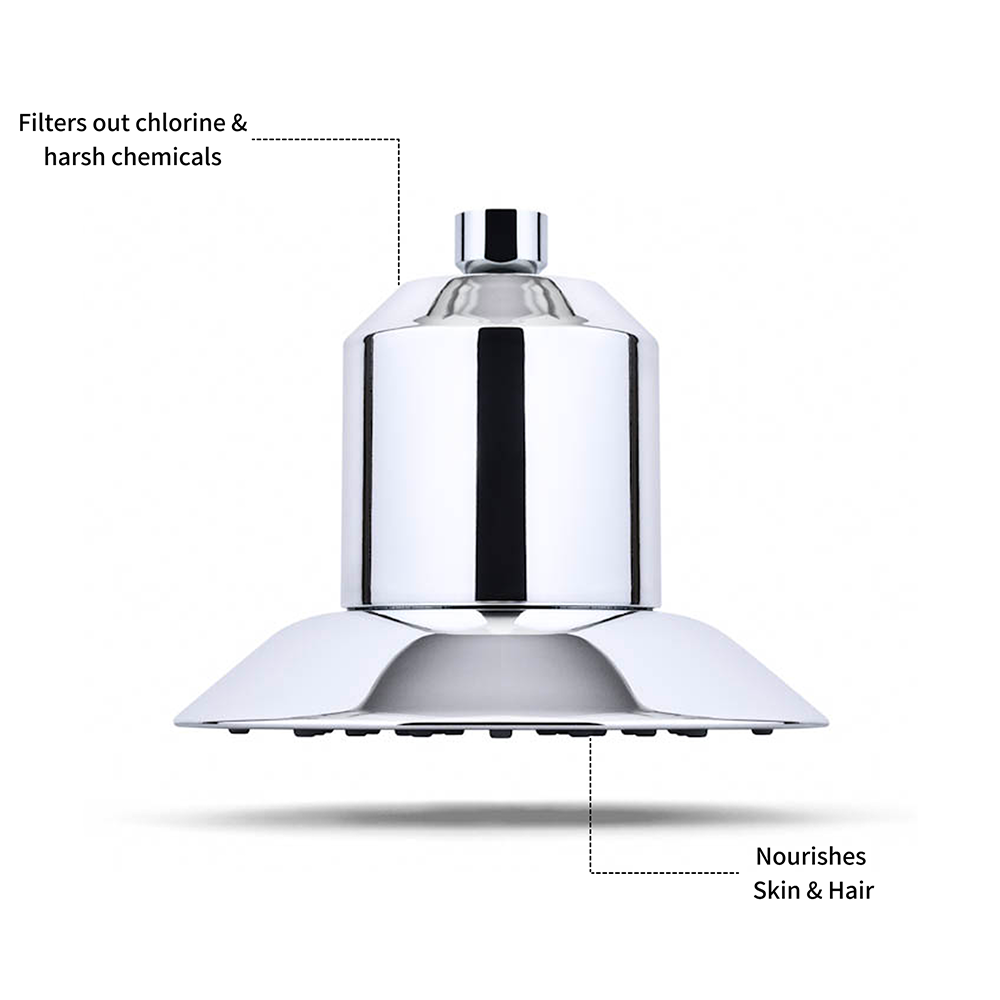
Afina Filtered Showerhead
15-stage filtered showerhead that removes chlorine, heavy metals, and other contaminants while providing great water pressure.
✨ All-in-one solution — filters water and gives you a premium shower experience
Shop Now →Afina Shower Filter
Universal shower filter that attaches to any existing showerhead. Removes chlorine, chloramine, and sediment.
✨ Keep your current showerhead and add powerful filtration
Shop Now →Afina Replacement Filter
Replacement filter cartridge for Afina shower filters. Lasts up to 6 months or 10,000 gallons.
✨ Easy replacement every 2-3 months to maintain peak filtration
Shop Now →❓ Frequently Asked Questions
Related Reading
- why your skin feels dry after showering
- arsenic in drinking water
- hexavalent chromium in water
- shower water quality in Gainesville, Florida
- shower water quality in Hialeah, Florida
Is Coral Springs tap water safe to shower in?
While Coral Springs tap water meets all EPA drinking water standards, it contains chloramine, disinfection byproducts, and is quite hard. These elements, though within legal limits, can negatively impact sensitive skin, hair, and respiratory health during showering.
Why does my skin feel dry and itchy after showering in Coral Springs?
The high mineral content (hardness) in Coral Springs water, along with chloramine, can strip natural oils from your skin, leading to dryness and irritation. These minerals also leave a residue that can clog pores and exacerbate conditions like eczema.
Do shower filters really help with Coral Springs water?
Yes, a good quality shower filter can significantly reduce chloramine, chlorine, and some heavy metals found in Coral Springs water. This can lead to noticeable improvements in skin hydration, hair health, and a reduction in chemical odors.
What causes the 'chlorine smell' in my Coral Springs shower?
Coral Springs uses chloramine, a disinfectant, in its water treatment. This can react with organic matter and create a distinct chemical odor, which is particularly noticeable when heated in shower steam.
How does hard water in Coral Springs affect my hair?
Hard water minerals like calcium and magnesium build up on hair strands, making them feel dry, dull, and brittle. This buildup can also prevent shampoos from lathering effectively and cause color-treated hair to fade faster.
See what's in your water.
Run a free 60-second report for your ZIP code.