


Last updated: April 2026.
Is Omaha, Nebraska Shower Water Safe?
For residents of Omaha, Nebraska, understanding what's in your shower water is crucial for your health and well-being. While Omaha's tap water meets federal safety standards for drinking, the unique composition of its treated river and well water can have noticeable impacts on your skin, hair, and respiratory health, especially during showering.
💧 Where Does Omaha's Water Come From?
Primary Source: Missouri River, Platte River Wells
Omaha's water supply is primarily sourced from the Missouri River and supplemented by wells along the Platte River. This raw water undergoes a multi-stage treatment process at the Metropolitan Utilities District (M.U.D.) facilities, including clarification, filtration, and disinfection to remove impurities and harmful microorganisms, ensuring it meets safe drinking water standards before distribution.
Treatment: Chloramination (disinfection), coagulation, flocculation, sedimentation, filtration, fluoridation
🔬 What's In Omaha's Shower Water?
Here are the key contaminants detected in Omaha's water supply based on real testing data from the EWG Tap Water Database:
| Contaminant | Level Found | EPA Limit | EWG Guideline | Status |
|---|---|---|---|---|
| Arsenic | 2.59 ppb | 10.0 ppb | 0.0040 ppb | ⚠️ Exceeds EWG Health Guideline (648x above) |
| Haloacetic acids (HAA9) | 33.19 ppb | No federal limit | 0.060 ppb | ⚠️ Exceeds EWG Health Guideline (553x above) |
| Total trihalomethanes (TTHMs) | 40.15 ppb | 80.0 ppb | 0.150 ppb | ⚠️ Exceeds EWG Health Guideline (268x above) |
| Bromochloroacetic acid | 5.06 ppb | No federal limit | 0.020 ppb | ⚠️ Exceeds EWG Health Guideline (253x above) |
| Haloacetic acids (HAA5) | 19.30 ppb | 60.0 ppb | 0.100 ppb | ⚠️ Exceeds EWG Health Guideline (193x above) |
| Bromodichloromethane | 11.27 ppb | No federal limit | 0.060 ppb | ⚠️ Exceeds EWG Health Guideline (188x above) |
| Radon | 164.0 pCi/L | No federal limit | 1.50 pCi/L | ⚠️ Exceeds EWG Health Guideline (109x above) |
| Dibromochloromethane | 7.16 ppb | No federal limit | 0.100 ppb | ⚠️ Exceeds EWG Health Guideline (72x above) |
| Dibromoacetic acid | 2.08 ppb | No federal limit | 0.030 ppb | ⚠️ Exceeds EWG Health Guideline (69x above) |
| Dichloroacetic acid | 13.61 ppb | No federal limit | 0.200 ppb | ⚠️ Exceeds EWG Health Guideline (68x above) |
Contaminant Details
Arsenic
The health guideline of 0.004 ppb for arsenic was defined by the California Office of Environmental Health Hazard Assessment as a public health goal, the level of a drinking water contaminant that does not pose a significant health risk. This health guideline protects against cancer.
Comparison: State average: 3.54 ppb. National average: 0.624 ppb.
Shower Impact: Arsenic in shower water can be absorbed through the skin. Long hot showers increase exposure time and absorption.
Haloacetic acids (HAA9)
The health guideline of 0.06 ppb for haloacetic acids (HAA9) was defined by EWG . This health guideline protects against cancer.
Comparison: State average: 31.31 ppb. National average: 23.70 ppb.
Shower Impact: These disinfection byproducts become airborne in hot shower steam. You can inhale and absorb them through your skin, potentially increasing your exposure beyond just drinking water.
Total trihalomethanes (TTHMs)
The health guideline of 0.15 ppb for trihalomethanes was defined by in a peer-reviewed scientific study by EWG and represents a one-in-one-million lifetime cancer risk level. as a draft public health goal, the level of drinking water contaminant that does not pose a significant health risk. This health guideline protects against cancer.
Comparison: State average: 26.85 ppb. National average: 29.06 ppb.
Shower Impact: These disinfection byproducts become airborne in hot shower steam. You can inhale and absorb them through your skin, potentially increasing your exposure beyond just drinking water.
Bromochloroacetic acid
The health guideline of 0.02 ppb for bromochloroacetic acid was defined by as . This health guideline protects against cancer.
Comparison: State average: 4.36 ppb. National average: 2.80 ppb.
Shower Impact: These disinfection byproducts become airborne in hot shower steam. You can inhale and absorb them through your skin, potentially increasing your exposure beyond just drinking water.
Haloacetic acids (HAA5)
The health guideline of 0.1 ppb for haloacetic acids (HAA5) was defined by as . This health guideline protects against cancer.
Comparison: State average: 16.16 ppb. National average: 19.82 ppb.
Shower Impact: These disinfection byproducts become airborne in hot shower steam. You can inhale and absorb them through your skin, potentially increasing your exposure beyond just drinking water.
Bromodichloromethane
The health guideline of 0.06 ppb for bromodichloromethane was defined by the California Office of Environmental Health Hazard Assessment as a one-in-a-million lifetime risk of cancer. Values greater than one-in-a-million cancer risk level can result in increased cancer cases above one in a million people.
Comparison: State average: 7.77 ppb. National average: 5.89 ppb.
Shower Impact: These disinfection byproducts become airborne in hot shower steam. You can inhale and absorb them through your skin, potentially increasing your exposure beyond just drinking water.
Radon
The health guideline of for radon was defined by the Environmental Protection Agency as a one-in-a-million lifetime risk of cancer. Values greater than one-in-a-million cancer risk level can result in increased cancer cases above one in a million people.
Comparison: State average: 188.3 pCi/L. National average: 47.68 pCi/L.
Shower Impact: Contaminants in shower water can be absorbed through the skin and inhaled as steam, increasing your daily exposure beyond what you get from drinking water alone.
Dibromochloromethane
The health guideline of 0.1 ppb for dibromochloromethane was defined by the California Office of Environmental Health Hazard Assessment as a one-in-a-million lifetime risk of cancer. Values greater than one-in-a-million cancer risk level can result in increased cancer cases above one in a million people.
Comparison: State average: 4.62 ppb. National average: 3.55 ppb.
Shower Impact: These disinfection byproducts become airborne in hot shower steam. You can inhale and absorb them through your skin, potentially increasing your exposure beyond just drinking water.
Dibromoacetic acid
The health guideline of 0.03 ppb for dibromoacetic acid was defined by as . This health guideline protects against cancer and harm to fetal growth and development.
Comparison: State average: 1.95 ppb. National average: 1.13 ppb.
Shower Impact: Contaminants in shower water can be absorbed through the skin and inhaled as steam, increasing your daily exposure beyond what you get from drinking water alone.
Dichloroacetic acid
The health guideline of 0.2 ppb for dichloroacetic acid was defined by the Environmental Protection Agency as a one-in-a-million lifetime risk of cancer. Values greater than one-in-a-million cancer risk level can result in increased cancer cases above one in a million people.
Comparison: State average: 9.75 ppb. National average: 8.00 ppb.
Shower Impact: These disinfection byproducts become airborne in hot shower steam. You can inhale and absorb them through your skin, potentially increasing your exposure beyond just drinking water.
🧴 How Omaha's Water Affects Your Skin, Hair & Health
When you shower, contaminants in the water don't just wash off — they're absorbed through your skin and inhaled as steam. Here's how Omaha's water quality may be affecting you:
🧖 Skin Effects
- Dryness and flakiness
- Exacerbated eczema and psoriasis symptoms
- Soap scum residue leading to dullness
- Increased risk of skin irritation and redness
💇 Hair Effects
- Dry, brittle, and damaged strands
- Fading of hair color and chemical treatments
- Mineral buildup causing dullness and lack of shine
- Difficulty lathering shampoos and conditioners effectively
🫁 Respiratory Effects
- Irritation of nasal passages and lungs from inhaled chloramines and DBPs
- Potential for asthma and allergy symptom flare-ups
- Dryness of mucous membranes
- General discomfort from chemical odors in steam
✅ What You Can Do About It
Test Your Home's Water
A comprehensive water test provides specific data on contaminants present in your tap water, helping you make informed decisions about treatment.
Install a Quality Shower Filter
Shower filters can effectively reduce chloramines, hardness minerals, and disinfection byproducts, improving water quality for your skin and hair.
Opt for Shorter, Cooler Showers
Reducing shower time and water temperature can minimize exposure to volatile contaminants and prevent excessive drying of skin and hair.
Use Moisturizing Skincare & Hair Products
Choose products specifically designed to hydrate and protect against hard water effects, helping to counteract dryness and damage.
Ventilate Your Bathroom
Proper ventilation helps dissipate chemical vapors from shower steam, reducing inhalation exposure to chloramines and disinfection byproducts.
🛒 Recommended Products for Omaha Residents
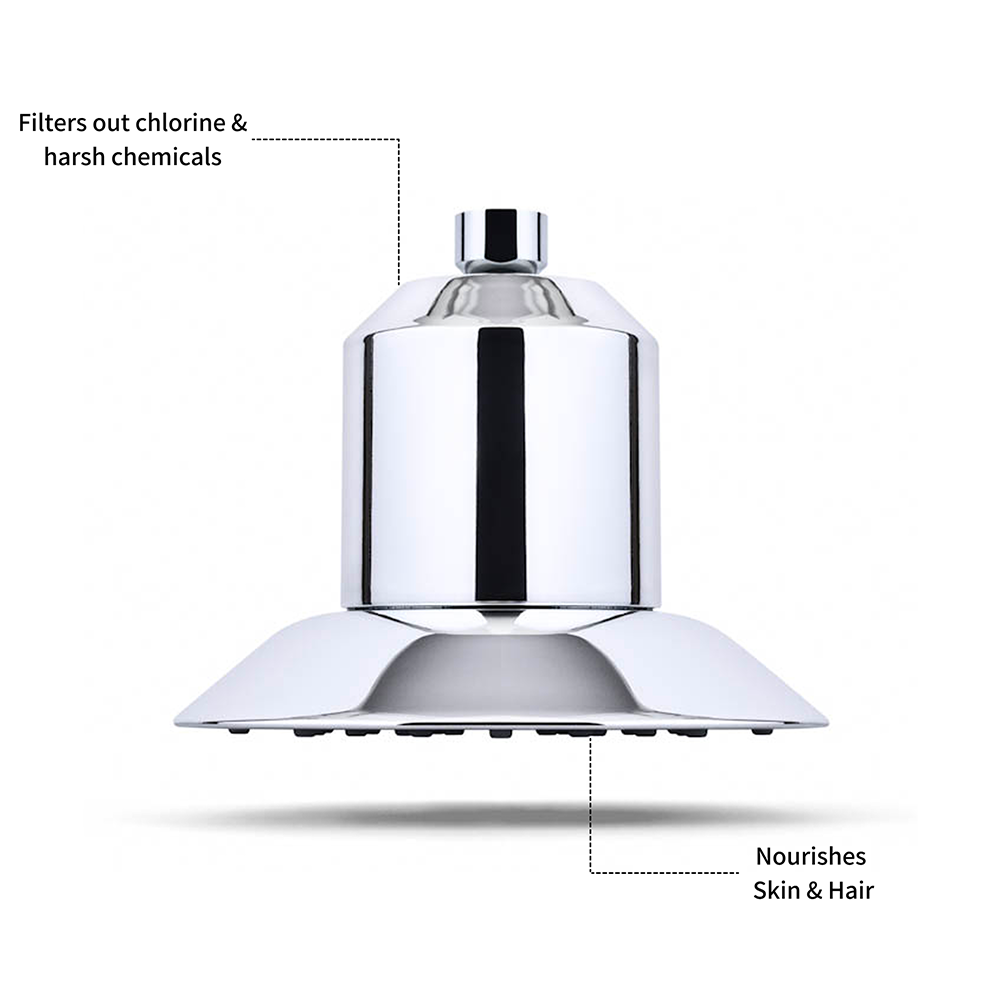
Afina Filtered Showerhead
15-stage filtered showerhead that removes chlorine, heavy metals, and other contaminants while providing great water pressure.
✨ All-in-one solution — filters water and gives you a premium shower experience
Shop Now →Afina Shower Filter
Universal shower filter that attaches to any existing showerhead. Removes chlorine, chloramine, and sediment.
✨ Keep your current showerhead and add powerful filtration
Shop Now →Afina Replacement Filter
Replacement filter cartridge for Afina shower filters. Lasts up to 6 months or 10,000 gallons.
✨ Easy replacement every 2-3 months to maintain peak filtration
Shop Now →❓ Frequently Asked Questions
Related Reading
Is Omaha tap water safe to shower in?
Omaha's tap water meets federal drinking water standards, meaning it is generally considered safe for showering. However, constituents like chloramines, hard minerals, and disinfection byproducts can still cause issues for sensitive individuals or those concerned about skin and hair health.
Why does my skin feel dry after showering in Omaha?
Omaha's water is moderately hard, containing elevated levels of calcium and magnesium. These minerals, along with chloramines used for disinfection, can strip natural oils from your skin, leading to dryness, irritation, and the exacerbation of conditions like eczema.
Does Omaha water contain chlorine or chloramine?
Omaha's Metropolitan Utilities District (M.U.D.) uses chloramines, a combination of chlorine and ammonia, for disinfection. Chloramines are more stable than chlorine but can still cause skin, hair, and respiratory issues, and contribute to the formation of disinfection byproducts.
Can a shower filter really make a difference for Omaha water?
Yes, a good quality shower filter designed to remove chloramines, heavy metals, and reduce hard water minerals can significantly improve your showering experience. Users often report softer skin, shinier hair, and a reduction in chemical odors.
What is 'hard water' and how does it affect my hair in Omaha?
Hard water contains high concentrations of dissolved minerals like calcium and magnesium, which are prevalent in Omaha's water. These minerals can build up on your hair, making it feel dry, dull, and brittle, and can even cause color-treated hair to fade faster.
See what's in your water.
Run a free 60-second report for your ZIP code.