


Last updated: April 2026.
Is Paterson, New Jersey Shower Water Safe?
For residents of Paterson, New Jersey, understanding the quality of your shower water is crucial for health and well-being in 2026. While tap water meets regulatory standards for drinking, the unique conditions of showering can expose you to contaminants differently, impacting skin, hair, and respiratory health.
💧 Where Does Paterson's Water Come From?
Primary Source: Passaic River, North Jersey Water Supply
Paterson's water is primarily sourced from the Passaic River and treated by the North Jersey Water Supply Commission, which draws from the Passaic and Pompton Rivers. This surface water undergoes extensive treatment to meet drinking water standards, but its journey through the distribution system and the treatment chemicals themselves can introduce various compounds.
Treatment: Coagulation, flocculation, sedimentation, filtration, disinfection (chloramination), and pH adjustment.
🔬 What's In Paterson's Shower Water?
Here are the key contaminants detected in Paterson's water supply based on real testing data from the EWG Tap Water Database:
| Contaminant | Level Found | EPA Limit | EWG Guideline | Status |
|---|---|---|---|---|
| Perfluorohexane sulfonate (PFHXS) | 0.0000 ppt | 1e-05 ppt | 0.0000 ppt | ⚠️ Exceeds EWG Health Guideline (1882x above) |
| Perfluorooctanoic acid (PFOA) | 0.0000 ppt | 4e-06 ppt | 0.0000 ppt | 🚨 ABOVE EPA LIMIT (90x above) |
| Perfluorooctane sulfonate (PFOS) | 0.0000 ppt | 4e-06 ppt | 0.0000 ppt | 🚨 ABOVE EPA LIMIT (18x above) |
| Haloacetic acids (HAA9) | 32.21 ppb | No federal limit | 0.060 ppb | ⚠️ Exceeds EWG Health Guideline (537x above) |
| Total trihalomethanes (TTHMs) | 65.42 ppb | 80.0 ppb | 0.150 ppb | ⚠️ Exceeds EWG Health Guideline (436x above) |
| Haloacetic acids (HAA5) | 32.08 ppb | 60.0 ppb | 0.100 ppb | ⚠️ Exceeds EWG Health Guideline (321x above) |
| Bromodichloromethane | 12.09 ppb | No federal limit | 0.060 ppb | ⚠️ Exceeds EWG Health Guideline (202x above) |
| Trichloroacetic acid | 16.25 ppb | No federal limit | 0.100 ppb | ⚠️ Exceeds EWG Health Guideline (163x above) |
| Chloroform | 49.24 ppb | No federal limit | 0.400 ppb | ⚠️ Exceeds EWG Health Guideline (123x above) |
| Dichloroacetic acid | 15.94 ppb | No federal limit | 0.200 ppb | ⚠️ Exceeds EWG Health Guideline (80x above) |
Contaminant Details
Perfluorohexane sulfonate (PFHXS)
The health guideline of 0.001 ppt for perfluorohexane sulfonate was defined by EWG based on studies by Phillipe Grandjean of Harvard University and many other independent researchers who found reduced effectiveness of vaccines and adverse impacts on mammary gland development from exposure to PFOA and PFOS, the two PFAS most widely detected in drinking water. This health guideline harm to the developing immune system.
Comparison: State average: 0.0000 ppt. National average: 0.0000 ppt.
Shower Impact: Contaminants in shower water can be absorbed through the skin and inhaled as steam, increasing your daily exposure beyond what you get from drinking water alone.
Perfluorooctanoic acid (PFOA)
The health guideline of 0.09 ppt for PFOA was defined by California Office of Environmental Health Hazard Assessment as a public health goal, the level of a drinking water contaminant that does not pose a significant health risk. This health guideline Harm to the immune system; harm to fetal growth and child development; increased cholesterol.
Comparison: State average: 0.0000 ppt. National average: 0.0000 ppt.
Shower Impact: Contaminants in shower water can be absorbed through the skin and inhaled as steam, increasing your daily exposure beyond what you get from drinking water alone.
Perfluorooctane sulfonate (PFOS)
The health guideline of 0.3 ppt for PFOS was defined by EWG based on studies by Phillipe Grandjean of Harvard University and many other independent researchers who found reduced effectiveness of vaccines and adverse impacts on mammary gland development from exposure to PFOA and PFOS, the two PFAS most widely detected in drinking water. This health guideline cardiovascular harm and harm to fetal growth.
Comparison: State average: 0.0000 ppt. National average: 0.0000 ppt.
Shower Impact: Contaminants in shower water can be absorbed through the skin and inhaled as steam, increasing your daily exposure beyond what you get from drinking water alone.
Haloacetic acids (HAA9)
The health guideline of 0.06 ppb for haloacetic acids (HAA9) was defined by EWG . This health guideline protects against cancer.
Comparison: State average: 20.77 ppb. National average: 23.70 ppb.
Shower Impact: These disinfection byproducts become airborne in hot shower steam. You can inhale and absorb them through your skin, potentially increasing your exposure beyond just drinking water.
Total trihalomethanes (TTHMs)
The health guideline of 0.15 ppb for trihalomethanes was defined by in a peer-reviewed scientific study by EWG and represents a one-in-one-million lifetime cancer risk level. as a draft public health goal, the level of drinking water contaminant that does not pose a significant health risk. This health guideline protects against cancer.
Comparison: State average: 30.79 ppb. National average: 29.06 ppb.
Shower Impact: These disinfection byproducts become airborne in hot shower steam. You can inhale and absorb them through your skin, potentially increasing your exposure beyond just drinking water.
Haloacetic acids (HAA5)
The health guideline of 0.1 ppb for haloacetic acids (HAA5) was defined by as . This health guideline protects against cancer.
Comparison: State average: 15.33 ppb. National average: 19.82 ppb.
Shower Impact: These disinfection byproducts become airborne in hot shower steam. You can inhale and absorb them through your skin, potentially increasing your exposure beyond just drinking water.
Bromodichloromethane
The health guideline of 0.06 ppb for bromodichloromethane was defined by the California Office of Environmental Health Hazard Assessment as a one-in-a-million lifetime risk of cancer. Values greater than one-in-a-million cancer risk level can result in increased cancer cases above one in a million people.
Comparison: State average: 6.53 ppb. National average: 5.89 ppb.
Shower Impact: These disinfection byproducts become airborne in hot shower steam. You can inhale and absorb them through your skin, potentially increasing your exposure beyond just drinking water.
Trichloroacetic acid
The health guideline of 0.1 ppb for trichloroacetic acid was defined by the Environmental Protection Agency as a one-in-a-million lifetime risk of cancer. Values greater than one-in-a-million cancer risk level can result in increased cancer cases above one in a million people.
Comparison: State average: 6.92 ppb. National average: 6.57 ppb.
Shower Impact: These disinfection byproducts become airborne in hot shower steam. You can inhale and absorb them through your skin, potentially increasing your exposure beyond just drinking water.
Chloroform
The health guideline of 0.4 ppb for chloroform was defined by the California Office of Environmental Health Hazard Assessment as a one-in-a-million lifetime risk of cancer. Values greater than one-in-a-million cancer risk level can result in increased cancer cases above one in a million people.
Comparison: State average: 19.01 ppb. National average: 16.20 ppb.
Shower Impact: These disinfection byproducts become airborne in hot shower steam. You can inhale and absorb them through your skin, potentially increasing your exposure beyond just drinking water.
Dichloroacetic acid
The health guideline of 0.2 ppb for dichloroacetic acid was defined by the Environmental Protection Agency as a one-in-a-million lifetime risk of cancer. Values greater than one-in-a-million cancer risk level can result in increased cancer cases above one in a million people.
Comparison: State average: 7.16 ppb. National average: 8.00 ppb.
Shower Impact: These disinfection byproducts become airborne in hot shower steam. You can inhale and absorb them through your skin, potentially increasing your exposure beyond just drinking water.
🧴 How Paterson's Water Affects Your Skin, Hair & Health
When you shower, contaminants in the water don't just wash off — they're absorbed through your skin and inhaled as steam. Here's how Paterson's water quality may be affecting you:
🧖 Skin Effects
- Dryness and flakiness from chloramine and hard water minerals.
- Exacerbation of eczema and other sensitive skin conditions due to mineral residue.
- Potential irritation and redness from disinfection byproducts.
- Soap scum residue leading to clogged pores and dull skin.
💇 Hair Effects
- Dull, brittle, and tangled hair due to hard water minerals and soap scum buildup.
- Increased hair breakage and difficulty lathering shampoos.
- Fading of color-treated hair from chloramine.
- Residue buildup making hair feel heavy and greasy.
🫁 Respiratory Effects
- Inhalation of volatile chloramine and disinfection byproducts (TTHMs, HAA5) in shower steam.
- Irritation of nasal passages, throat, and lungs, especially for those with asthma or allergies.
- Potential exacerbation of respiratory conditions due to chemical exposure.
- Headaches or dizziness from chemical vapors in poorly ventilated bathrooms.
✅ What You Can Do About It
Test Your Water
A home water test kit can provide specific data on the contaminants present in your Paterson tap water, helping you make informed decisions about your shower water.
Install a Quality Shower Filter
A good shower filter can significantly reduce chloramine, heavy metals, and some disinfection byproducts, improving water quality for your skin and hair.
Improve Bathroom Ventilation
Running an exhaust fan or opening a window during and after showering helps reduce the concentration of volatile chemicals in the air you breathe.
Limit Shower Duration and Temperature
Shorter, cooler showers can reduce exposure to volatile contaminants and minimize the drying effects of hot water on skin and hair.
Use pH-Balanced Skincare
Opt for skincare and haircare products that are pH-balanced to counteract the drying and irritating effects of Paterson's hard, chlorinated water.
🛒 Recommended Products for Paterson Residents
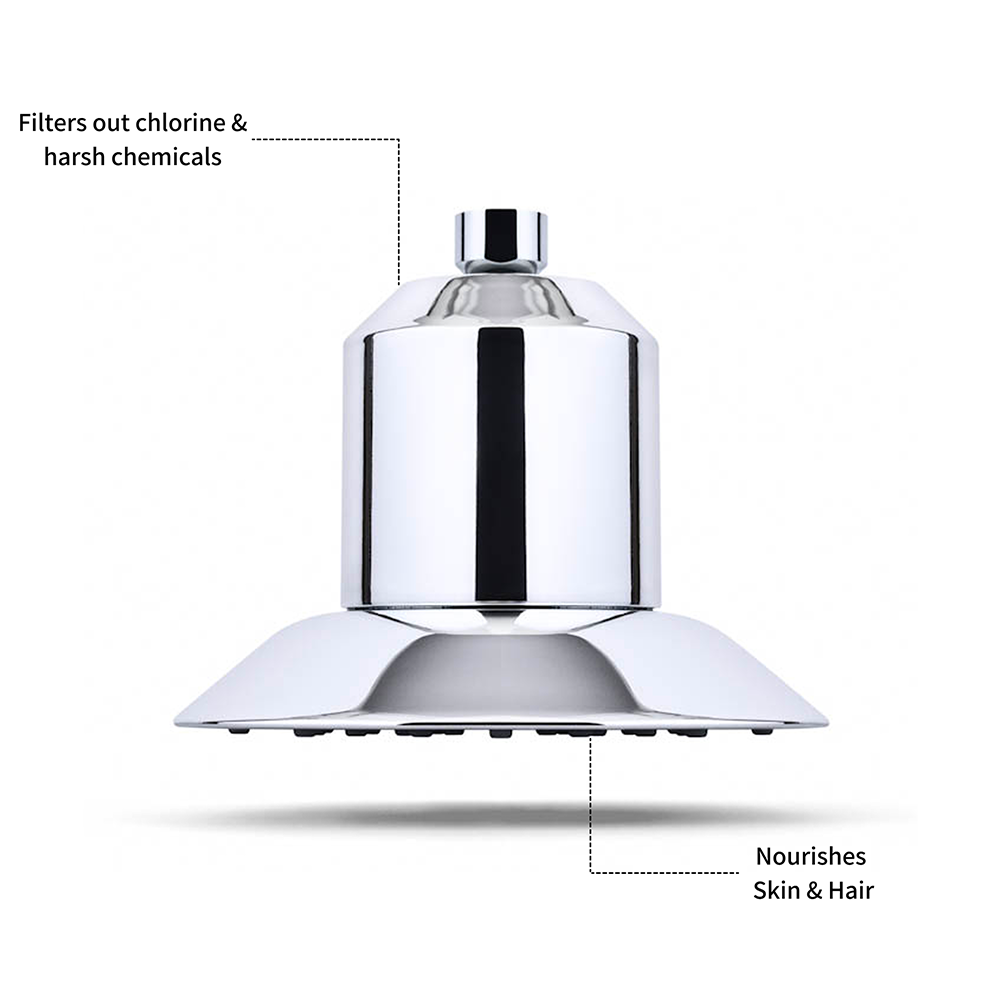
Afina Filtered Showerhead
15-stage filtered showerhead that removes chlorine, heavy metals, and other contaminants while providing great water pressure.
✨ All-in-one solution — filters water and gives you a premium shower experience
Shop Now →Afina Shower Filter
Universal shower filter that attaches to any existing showerhead. Removes chlorine, chloramine, and sediment.
✨ Keep your current showerhead and add powerful filtration
Shop Now →Afina Replacement Filter
Replacement filter cartridge for Afina shower filters. Lasts up to 6 months or 10,000 gallons.
✨ Easy replacement every 2-3 months to maintain peak filtration
Shop Now →❓ Frequently Asked Questions
Related Reading
- why your skin feels dry after showering
- nitrate contamination in water
- hexavalent chromium in water
- shower water quality in Trenton, New Jersey
Is Paterson tap water safe to shower in?
While Paterson's tap water meets federal drinking water standards, showering introduces unique exposure routes. Volatile chemicals like chloramine and disinfection byproducts can be inhaled in steam or absorbed through the skin, potentially causing irritation or long-term health concerns, especially for sensitive individuals.
Why does my skin feel dry and my hair look dull after showering in Paterson?
Paterson's water contains chloramine, which can strip natural oils, and is moderately hard due to minerals like calcium and magnesium. These minerals react with soap to form a residue that clogs pores, dries out skin, and leaves hair feeling dull and brittle.
Can showering in Paterson water affect my child's eczema?
Yes, the chloramine and hardness minerals in Paterson's shower water can aggravate eczema. These elements can strip the skin's protective barrier and leave irritating residues, leading to increased dryness, itchiness, and flare-ups in sensitive skin.
What kind of shower filter is best for Paterson water?
For Paterson, look for a shower filter that specifically targets chloramine, as well as chlorine, heavy metals, and ideally some disinfection byproducts. Filters using KDF (Kinetic Degradation Fluxion) and activated carbon are often effective for these contaminants.
Are there any local regulations specific to Paterson's water quality that I should know about?
Paterson's water quality is regulated by the EPA and the New Jersey Department of Environmental Protection (NJDEP). The Passaic Valley Water Commission (PVWC), serving Paterson, regularly publishes water quality reports (Consumer Confidence Reports) detailing local contaminant levels and compliance.
See what's in your water.
Run a free 60-second report for your ZIP code.