Is San Antonio, Texas Shower Water Safe?
Understanding what's in your San Antonio shower water is crucial for your health and well-being in 2026. While the city's tap water meets federal drinking standards, contaminants like chloramine and hardness minerals can impact your skin, hair, and respiratory health, making it essential to be informed.
💧 Where Does San Antonio's Water Come From?
Primary Source: Edwards Aquifer, Canyon Lake
San Antonio's primary water supply for 2026 largely comes from the Edwards Aquifer, a vast underground limestone formation, supplemented by surface water from Canyon Lake and other sources. The San Antonio Water System (SAWS) treats this water rigorously to meet safety standards, ensuring it's safe for consumption.
Treatment: Chloramination, Filtration, Fluoridation
🔬 What's In San Antonio's Shower Water?
Here are the key contaminants detected in San Antonio's water supply based on real testing data from the EWG Tap Water Database:
| Contaminant | Level Found | EPA Limit | EWG Guideline | Status |
|---|---|---|---|---|
| Haloacetic acids (HAA9) | 9.67 ppb | No federal limit | 0.060 ppb | ⚠️ Exceeds EWG Health Guideline (161x above) |
| Total trihalomethanes (TTHMs) | 22.85 ppb | 80.0 ppb | 0.150 ppb | ⚠️ Exceeds EWG Health Guideline (152x above) |
| Bromochloroacetic acid | 2.12 ppb | No federal limit | 0.020 ppb | ⚠️ Exceeds EWG Health Guideline (106x above) |
| Dibromoacetic acid | 2.41 ppb | No federal limit | 0.030 ppb | ⚠️ Exceeds EWG Health Guideline (80x above) |
| Bromodichloromethane | 4.42 ppb | No federal limit | 0.060 ppb | ⚠️ Exceeds EWG Health Guideline (74x above) |
| Haloacetic acids (HAA5) | 5.76 ppb | 60.0 ppb | 0.100 ppb | ⚠️ Exceeds EWG Health Guideline (58x above) |
| Dibromochloromethane | 5.55 ppb | No federal limit | 0.100 ppb | ⚠️ Exceeds EWG Health Guideline (55x above) |
| Nitrate and nitrite | 2.00 ppm | 10.0 ppm | 0.140 ppm | ⚠️ Exceeds EWG Health Guideline (14x above) |
| Dichloroacetic acid | 2.05 ppb | No federal limit | 0.200 ppb | ⚠️ Exceeds EWG Health Guideline (10x above) |
| Nitrate | 1.42 ppm | 10.0 ppm | 0.140 ppm | ⚠️ Exceeds EWG Health Guideline (10x above) |
Contaminant Details
Haloacetic acids (HAA9)
The health guideline of 0.06 ppb for haloacetic acids (HAA9) was defined by EWG . This health guideline protects against cancer.
Comparison: State average: 23.90 ppb. National average: 23.70 ppb.
Shower Impact: These disinfection byproducts become airborne in hot shower steam. You can inhale and absorb them through your skin, potentially increasing your exposure beyond just drinking water.
Total trihalomethanes (TTHMs)
The health guideline of 0.15 ppb for trihalomethanes was defined by in a peer-reviewed scientific study by EWG and represents a one-in-one-million lifetime cancer risk level. as a draft public health goal, the level of drinking water contaminant that does not pose a significant health risk. This health guideline protects against cancer.
Comparison: State average: 25.58 ppb. National average: 29.06 ppb.
Shower Impact: These disinfection byproducts become airborne in hot shower steam. You can inhale and absorb them through your skin, potentially increasing your exposure beyond just drinking water.
Bromochloroacetic acid
The health guideline of 0.02 ppb for bromochloroacetic acid was defined by as . This health guideline protects against cancer.
Comparison: State average: 3.82 ppb. National average: 2.80 ppb.
Shower Impact: These disinfection byproducts become airborne in hot shower steam. You can inhale and absorb them through your skin, potentially increasing your exposure beyond just drinking water.
Dibromoacetic acid
The health guideline of 0.03 ppb for dibromoacetic acid was defined by as . This health guideline protects against cancer and harm to fetal growth and development.
Comparison: State average: 2.64 ppb. National average: 1.13 ppb.
Shower Impact: Contaminants in shower water can be absorbed through the skin and inhaled as steam, increasing your daily exposure beyond what you get from drinking water alone.
Bromodichloromethane
The health guideline of 0.06 ppb for bromodichloromethane was defined by the California Office of Environmental Health Hazard Assessment as a one-in-a-million lifetime risk of cancer. Values greater than one-in-a-million cancer risk level can result in increased cancer cases above one in a million people.
Comparison: State average: 6.50 ppb. National average: 5.89 ppb.
Shower Impact: These disinfection byproducts become airborne in hot shower steam. You can inhale and absorb them through your skin, potentially increasing your exposure beyond just drinking water.
Haloacetic acids (HAA5)
The health guideline of 0.1 ppb for haloacetic acids (HAA5) was defined by as . This health guideline protects against cancer.
Comparison: State average: 12.54 ppb. National average: 19.82 ppb.
Shower Impact: These disinfection byproducts become airborne in hot shower steam. You can inhale and absorb them through your skin, potentially increasing your exposure beyond just drinking water.
Dibromochloromethane
The health guideline of 0.1 ppb for dibromochloromethane was defined by the California Office of Environmental Health Hazard Assessment as a one-in-a-million lifetime risk of cancer. Values greater than one-in-a-million cancer risk level can result in increased cancer cases above one in a million people.
Comparison: State average: 5.95 ppb. National average: 3.55 ppb.
Shower Impact: These disinfection byproducts become airborne in hot shower steam. You can inhale and absorb them through your skin, potentially increasing your exposure beyond just drinking water.
Nitrate and nitrite
The health guideline of 0.14 ppm for nitrate and nitrite was defined by based on the equivalent health guideline for nitrate, as defined in a peer-reviewed scientific study by EWG. . This health guideline protects against one-in-one-million annual cancer risk level.
Comparison: State average: 0.591 ppm. National average: 0.780 ppm.
Shower Impact: While primarily a drinking water concern, nitrates can contribute to skin irritation during extended shower exposure.
Dichloroacetic acid
The health guideline of 0.2 ppb for dichloroacetic acid was defined by the Environmental Protection Agency as a one-in-a-million lifetime risk of cancer. Values greater than one-in-a-million cancer risk level can result in increased cancer cases above one in a million people.
Comparison: State average: 6.77 ppb. National average: 8.00 ppb.
Shower Impact: These disinfection byproducts become airborne in hot shower steam. You can inhale and absorb them through your skin, potentially increasing your exposure beyond just drinking water.
Nitrate
The health guideline of 0.14 ppm for nitrate was defined in a peer-reviewed scientific study by EWG and corresponds to one-in-one-million annual cancer risk level.
Comparison: State average: 0.525 ppm. National average: 0.824 ppm.
Shower Impact: While primarily a drinking water concern, nitrates can contribute to skin irritation during extended shower exposure.
🧴 How San Antonio's Water Affects Your Skin, Hair & Health
When you shower, contaminants in the water don't just wash off — they're absorbed through your skin and inhaled as steam. Here's how San Antonio's water quality may be affecting you:
🧖 Skin Effects
- Increased dryness and irritation, especially for sensitive skin
- Exacerbation of eczema and other skin conditions
- Soap scum residue leading to dullness and clogged pores
- Potential for premature aging due to chemical exposure
💇 Hair Effects
- Dry, brittle, and damaged hair
- Fading of hair color and loss of natural shine
- Mineral buildup, making hair feel heavy and greasy
- Scalp irritation and flakiness
🫁 Respiratory Effects
- Irritation of nasal passages and throat from chloramine vapor
- Exacerbation of asthma or other respiratory sensitivities
- Exposure to volatile organic compounds (like TTHMs) through inhalation
- General discomfort from chemical odors in steam
✅ What You Can Do About It
Test Your Water
Understanding your home's specific water profile is the first step. Home testing kits or professional services can reveal exact contaminant levels, empowering informed decisions.
Install a Shower Filter
A quality shower filter can significantly reduce chlorine, chloramine, and other contaminants, leading to softer skin, healthier hair, and less respiratory irritation.
Limit Shower Time & Use Cooler Water
Shorter, cooler showers reduce exposure to volatile chemicals that off-gas in hot steam and minimize skin absorption, especially for those with sensitivities.
Improve Bathroom Ventilation
Running an exhaust fan or opening a window during and after showering helps dissipate chemical vapors, reducing inhalation risks for everyone in the household.
Moisturize Immediately After Showering
Applying a rich moisturizer to damp skin helps lock in hydration and creates a protective barrier against external irritants, counteracting the drying effects of hard or chlorinated water.
🛒 Recommended Products for San Antonio Residents
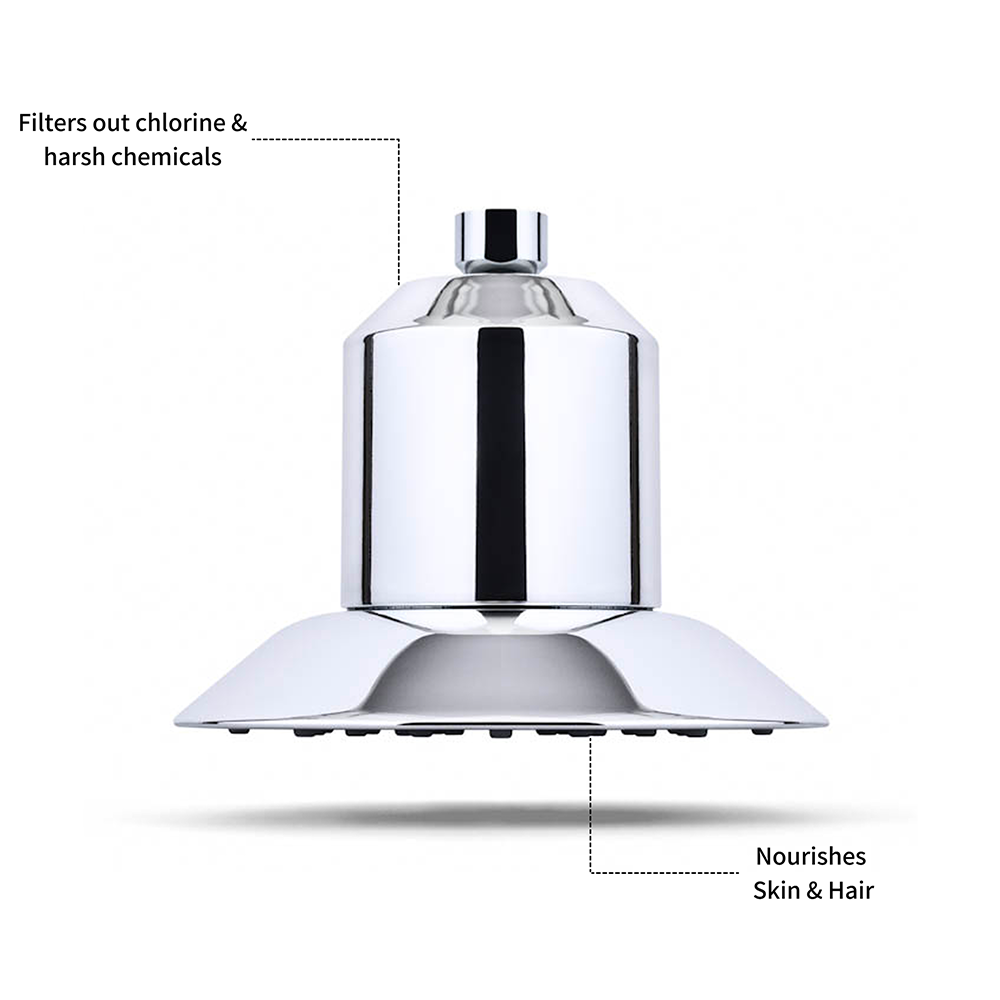
Afina Filtered Showerhead
15-stage filtered showerhead that removes chlorine, heavy metals, and other contaminants while providing great water pressure.
✨ All-in-one solution — filters water and gives you a premium shower experience
Shop Now →Afina Shower Filter
Universal shower filter that attaches to any existing showerhead. Removes chlorine, chloramine, and sediment.
✨ Keep your current showerhead and add powerful filtration
Shop Now →Afina Replacement Filter
Replacement filter cartridge for Afina shower filters. Lasts up to 6 months or 10,000 gallons.
✨ Easy replacement every 2-3 months to maintain peak filtration
Shop Now →❓ Frequently Asked Questions
Related Reading
- why your skin feels dry after showering
- nitrate contamination in water
- hexavalent chromium in water
- shower water quality in Amarillo, Texas
- shower water quality in Arlington, Texas
Is San Antonio tap water safe to shower in?
Yes, San Antonio tap water meets all EPA safety standards for showering. However, while safe, the presence of chloramine, hardness minerals, and disinfection byproducts can still cause aesthetic issues and discomfort for sensitive individuals, affecting skin, hair, and respiratory health.
Why does my skin feel dry after showering in San Antonio?
San Antonio's water is known for its high hardness (mineral content) and the use of chloramine as a disinfectant. These elements can strip natural oils from your skin, react with soaps to form residue, and leave your skin feeling dry, itchy, or irritated, especially for those with eczema.
Does San Antonio water cause hair damage?
The high mineral content (hardness) in San Antonio's water can lead to mineral buildup on hair, making it dull, brittle, and difficult to manage. Additionally, chloramine can strip hair color and natural oils, contributing to dryness and damage over time.
Are shower filters effective for San Antonio water?
Yes, shower filters can be very effective in San Antonio. They are designed to reduce contaminants like chloramine, chlorine, and some heavy metals, which can significantly improve water quality for showering, leading to healthier skin and hair and reduced respiratory irritation.
What are the concerns about chloramine in San Antonio's shower water?
Chloramine, used to disinfect San Antonio's water, can volatilize in hot shower steam. Inhalation of these vapors can irritate the respiratory system, while skin exposure can lead to dryness, itchiness, and exacerbate conditions like eczema for sensitive individuals.
See what's in your water.
Run a free 60-second report for your ZIP code.