


Last updated: April 2026.
Is Sioux Falls, South Dakota Shower Water Safe?
Understanding what's in your shower water is crucial for your health and well-being in Sioux Falls, South Dakota. While the city's tap water meets federal safety standards for drinking, certain contaminants can impact skin, hair, and respiratory health during showering. Knowing these elements empowers residents to make informed choices about their daily water exposure.
💧 Where Does Sioux Falls's Water Come From?
Primary Source: Big Sioux Aquifer, Lewis and Clark Regional Water System
Sioux Falls draws its water from a dual source: the Big Sioux Aquifer, a groundwater source, and the Lewis and Clark Regional Water System, which treats water from the Missouri River. This blended approach ensures a robust supply, with the water undergoing comprehensive treatment including filtration, disinfection, and fluoridation before distribution to homes.
Treatment: Conventional filtration, chloramination for disinfection, fluoridation, corrosion control
🔬 What's In Sioux Falls's Shower Water?
Here are the key contaminants detected in Sioux Falls's water supply based on real testing data from the EWG Tap Water Database:
| Contaminant | Level Found | EPA Limit | EWG Guideline | Status |
|---|---|---|---|---|
| Arsenic | 5.00 ppb | 10.0 ppb | 0.0040 ppb | ⚠️ Exceeds EWG Health Guideline (1250x above) |
| Haloacetic acids (HAA9) | 24.61 ppb | No federal limit | 0.060 ppb | ⚠️ Exceeds EWG Health Guideline (410x above) |
| Total trihalomethanes (TTHMs) | 38.97 ppb | 80.0 ppb | 0.150 ppb | ⚠️ Exceeds EWG Health Guideline (260x above) |
| Haloacetic acids (HAA5) | 16.13 ppb | 60.0 ppb | 0.100 ppb | ⚠️ Exceeds EWG Health Guideline (161x above) |
| Radium, combined (-226 and -228) | 3.00 pCi/L | 5.0 pCi/L | 0.050 pCi/L | ⚠️ Exceeds EWG Health Guideline (60x above) |
| Chromium (hexavalent) | 0.190 ppb | No federal limit | 0.020 ppb | ⚠️ Exceeds EWG Health Guideline (9x above) |
| Nitrate | 0.480 ppm | 10.0 ppm | 0.140 ppm | ⚠️ Exceeds EWG Health Guideline (3x above) |
| Chlorate | 154.0 ppb | No federal limit | 210.00 ppb | ⚠️ No Federal Limit |
| Manganese | 0.050 ppb | No federal limit | 100.00 ppb | ⚠️ No Federal Limit |
| Strontium | 0.278 ppb | No federal limit | 1500.00 ppb | ⚠️ No Federal Limit |
Contaminant Details
Arsenic
The health guideline of 0.004 ppb for arsenic was defined by the California Office of Environmental Health Hazard Assessment as a public health goal, the level of a drinking water contaminant that does not pose a significant health risk. This health guideline protects against cancer.
Comparison: State average: 1.43 ppb. National average: 0.624 ppb.
Shower Impact: Arsenic in shower water can be absorbed through the skin. Long hot showers increase exposure time and absorption.
Haloacetic acids (HAA9)
The health guideline of 0.06 ppb for haloacetic acids (HAA9) was defined by EWG . This health guideline protects against cancer.
Comparison: State average: 23.74 ppb. National average: 23.70 ppb.
Shower Impact: These disinfection byproducts become airborne in hot shower steam. You can inhale and absorb them through your skin, potentially increasing your exposure beyond just drinking water.
Total trihalomethanes (TTHMs)
The health guideline of 0.15 ppb for trihalomethanes was defined by in a peer-reviewed scientific study by EWG and represents a one-in-one-million lifetime cancer risk level. as a draft public health goal, the level of drinking water contaminant that does not pose a significant health risk. This health guideline protects against cancer.
Comparison: State average: 26.77 ppb. National average: 29.06 ppb.
Shower Impact: These disinfection byproducts become airborne in hot shower steam. You can inhale and absorb them through your skin, potentially increasing your exposure beyond just drinking water.
Haloacetic acids (HAA5)
The health guideline of 0.1 ppb for haloacetic acids (HAA5) was defined by as . This health guideline protects against cancer.
Comparison: State average: 12.16 ppb. National average: 19.82 ppb.
Shower Impact: These disinfection byproducts become airborne in hot shower steam. You can inhale and absorb them through your skin, potentially increasing your exposure beyond just drinking water.
Radium, combined (-226 and -228)
The health guideline of for radium, combined (-226 and -228) was defined by the California Office of Environmental Health Hazard Assessment as . This health guideline protects against cancer.
Comparison: State average: 0.192 pCi/L. National average: 0.332 pCi/L.
Shower Impact: Radioactive contaminants can become aerosolized in shower steam and inhaled, adding to overall exposure.
Chromium (hexavalent)
The health guideline of 0.02 ppb for chromium (hexavalent) was defined by the California Office of Environmental Health Hazard Assessment as a public health goal, the level of a drinking water contaminant that does not pose a significant health risk. This health guideline protects against cancer.
Comparison: State average: 0.246 ppb. National average: 0.440 ppb.
Shower Impact: Hexavalent chromium can be absorbed through the skin during bathing, adding to overall exposure beyond drinking water.
Nitrate
The health guideline of 0.14 ppm for nitrate was defined in a peer-reviewed scientific study by EWG and corresponds to one-in-one-million annual cancer risk level.
Comparison: State average: 0.506 ppm. National average: 0.824 ppm.
Shower Impact: While primarily a drinking water concern, nitrates can contribute to skin irritation during extended shower exposure.
Chlorate
The health guideline of 210 ppb for chlorate was defined by the Environmental Protection Agency as a benchmark for testing under the Unregulated Contaminant Monitoring Rule program. This health guideline protects against hormone disruption.
Comparison: State average: 87.73 ppb. National average: 116.8 ppb.
Shower Impact: Contaminants in shower water can be absorbed through the skin and inhaled as steam, increasing your daily exposure beyond what you get from drinking water alone.
Manganese
The health guideline of 100 ppb for manganese was defined by the state of Minnesota as a health risk limit, the concentration of a contaminant that can be consumed with little or no risk to health. This health guideline protects against harm to the brain and nervous system.
Comparison: State average: 55.49 ppb. National average: 8.66 ppb.
Shower Impact: Contaminants in shower water can be absorbed through the skin and inhaled as steam, increasing your daily exposure beyond what you get from drinking water alone.
Strontium
The health guideline of 1,500 ppb for strontium was defined by the Environmental Protection Agency as a benchmark for testing under the Unregulated Contaminant Monitoring Rule program. This health guideline protects against harm to bones.
Comparison: State average: 0.381 ppb. National average: 0.488 ppb.
Shower Impact: Contaminants in shower water can be absorbed through the skin and inhaled as steam, increasing your daily exposure beyond what you get from drinking water alone.
🧴 How Sioux Falls's Water Affects Your Skin, Hair & Health
When you shower, contaminants in the water don't just wash off — they're absorbed through your skin and inhaled as steam. Here's how Sioux Falls's water quality may be affecting you:
🧖 Skin Effects
- Dryness and irritation due to chloramine and hard water minerals.
- Exacerbation of eczema and other sensitive skin conditions.
- Residue buildup from hard water, leading to a 'squeaky clean' but tight feeling.
- Potential absorption of disinfection byproducts (DBPs) like TTHMs and HAA5.
💇 Hair Effects
- Dullness, brittleness, and increased breakage from chloramine exposure.
- Color fading in dyed hair caused by chlorine.
- Mineral buildup from hard water, leading to frizz and reduced lathering of products.
- Difficulty rinsing shampoo and conditioner, leaving residue.
🫁 Respiratory Effects
- Inhalation of chloramine vapors, irritating the respiratory tract.
- Exposure to volatile disinfection byproducts (TTHMs, HAA5) in shower steam.
- Potential exacerbation of asthma or other respiratory sensitivities.
- General discomfort from chemical odors in poorly ventilated bathrooms.
✅ What You Can Do About It
Test Your Shower Water
A home water test kit or professional analysis can provide precise data on contaminants present in your specific Sioux Falls home's water.
Install a Shower Filter
Look for filters specifically designed to reduce chlorine/chloramine, heavy metals, and some disinfection byproducts to improve skin and hair health.
Shorten Shower Times
Reducing the duration of hot showers minimizes exposure to volatile contaminants like chloramine and disinfection byproducts in steam.
Ventilate Your Bathroom
Ensure good ventilation during and after showering to help disperse chemical vapors and reduce their inhalation concentration.
Use Moisturizing Products
Apply lotions and hair conditioners immediately after showering to counteract the drying effects of hard water and chlorine.
🛒 Recommended Products for Sioux Falls Residents
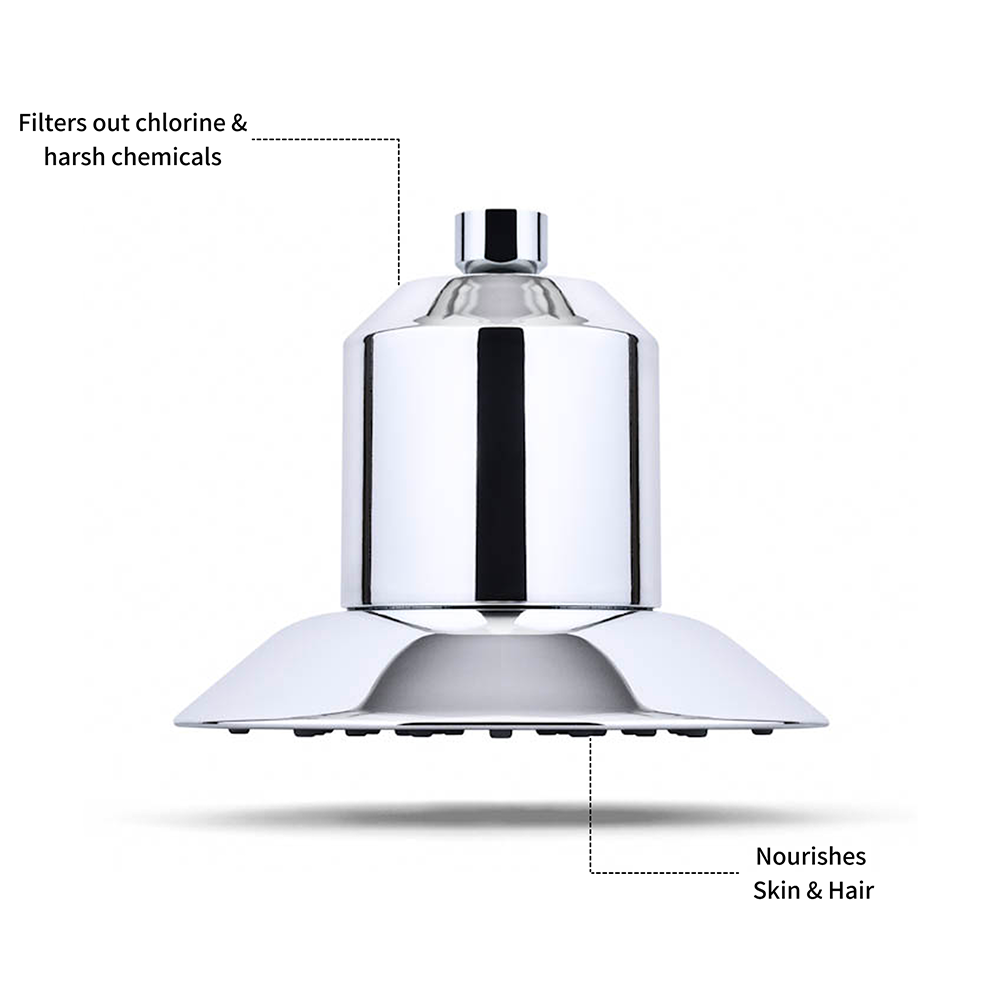
Afina Filtered Showerhead
15-stage filtered showerhead that removes chlorine, heavy metals, and other contaminants while providing great water pressure.
✨ All-in-one solution — filters water and gives you a premium shower experience
Shop Now →Afina Shower Filter
Universal shower filter that attaches to any existing showerhead. Removes chlorine, chloramine, and sediment.
✨ Keep your current showerhead and add powerful filtration
Shop Now →Afina Replacement Filter
Replacement filter cartridge for Afina shower filters. Lasts up to 6 months or 10,000 gallons.
✨ Easy replacement every 2-3 months to maintain peak filtration
Shop Now →❓ Frequently Asked Questions
Related Reading
Is Sioux Falls tap water safe to shower in?
Yes, Sioux Falls tap water meets all EPA drinking water standards, making it generally safe for showering. However, certain contaminants like chloramine and hard water minerals, while not acutely dangerous, can lead to aesthetic and comfort issues for skin, hair, and respiratory health over time.
Why does my skin feel dry and itchy after showering in Sioux Falls?
The primary culprits are chloramine, used for disinfection, and the high hardness (mineral content) of Sioux Falls water. Chloramine can strip natural oils from your skin, while hard water leaves behind mineral residue that can irritate and dry out your skin, exacerbating conditions like eczema.
Does Sioux Falls water cause hair damage or color fading?
Yes, the chloramine in Sioux Falls water can be harsh on hair, leading to dryness, brittleness, and dullness, especially for treated or colored hair. Hard water minerals also build up on hair strands, preventing proper cleansing and making hair feel heavy and less manageable.
Are shower filters effective for Sioux Falls water?
Many shower filters are highly effective at reducing chlorine, chloramine, and heavy metals, which are common concerns in Sioux Falls water. They can significantly improve water quality for showering, leading to softer skin, healthier hair, and reduced respiratory irritation from chemical vapors.
What is water hardness and how does it affect my shower?
Water hardness refers to the concentration of dissolved minerals, primarily calcium and magnesium, in your water. Sioux Falls water is notably hard, which means soap and shampoo don't lather well, and mineral deposits can accumulate on shower fixtures, skin, and hair, leading to dryness and residue.
See what's in your water.
Run a free 60-second report for your ZIP code.