

Last updated: April 2026.
Is Tempe, Arizona Shower Water Safe?
For health-conscious residents of Tempe, Arizona, understanding what's in your shower water is crucial for well-being in 2026. While Tempe's drinking water meets federal safety standards, showering can expose you to contaminants that impact skin, hair, and respiratory health, making it vital to know what you're absorbing.
💧 Where Does Tempe's Water Come From?
Primary Source: Salt River Project (SRP) and Tempe Town Lake
Tempe primarily sources its water from the Salt and Verde Rivers via the Salt River Project, supplemented by groundwater and water from Tempe Town Lake. This surface water undergoes extensive treatment at facilities like the Val Vista Water Treatment Plant to ensure it meets drinking water standards before distribution.
Treatment: Chloramination (chlorine + ammonia) for disinfection
🔬 What's In Tempe's Shower Water?
Here are the key contaminants detected in Tempe's water supply based on real testing data from the EWG Tap Water Database:
| Contaminant | Level Found | EPA Limit | EWG Guideline | Status |
|---|---|---|---|---|
| Perfluorohexane sulfonate (PFHXS) | 0.0000 ppt | 1e-05 ppt | 0.0000 ppt | ⚠️ Exceeds EWG Health Guideline (5775x above) |
| Arsenic | 4.35 ppb | 10.0 ppb | 0.0040 ppb | ⚠️ Exceeds EWG Health Guideline (1087x above) |
| Perfluorooctane sulfonate (PFOS) | 0.0000 ppt | 4e-06 ppt | 0.0000 ppt | 🚨 ABOVE EPA LIMIT (23x above) |
| Haloacetic acids (HAA9) | 31.78 ppb | No federal limit | 0.060 ppb | ⚠️ Exceeds EWG Health Guideline (530x above) |
| Total trihalomethanes (TTHMs) | 42.78 ppb | 80.0 ppb | 0.150 ppb | ⚠️ Exceeds EWG Health Guideline (285x above) |
| Chromium (hexavalent) | 5.63 ppb | No federal limit | 0.020 ppb | ⚠️ Exceeds EWG Health Guideline (281x above) |
| Haloacetic acids (HAA5) | 11.57 ppb | 60.0 ppb | 0.100 ppb | ⚠️ Exceeds EWG Health Guideline (116x above) |
| Bromate | 4.84 ppb | 10.0 ppb | 0.100 ppb | ⚠️ Exceeds EWG Health Guideline (48x above) |
| Perfluorooctanoic acid (PFOA) | 0.0000 ppt | 4e-06 ppt | 0.0000 ppt | ⚠️ Exceeds EWG Health Guideline (41x above) |
| Nitrate | 4.61 ppm | 10.0 ppm | 0.140 ppm | ⚠️ Exceeds EWG Health Guideline (33x above) |
Contaminant Details
Perfluorohexane sulfonate (PFHXS)
The health guideline of 0.001 ppt for perfluorohexane sulfonate was defined by EWG based on studies by Phillipe Grandjean of Harvard University and many other independent researchers who found reduced effectiveness of vaccines and adverse impacts on mammary gland development from exposure to PFOA and PFOS, the two PFAS most widely detected in drinking water. This health guideline harm to the developing immune system.
Comparison: State average: 0.0000 ppt. National average: 0.0000 ppt.
Shower Impact: Contaminants in shower water can be absorbed through the skin and inhaled as steam, increasing your daily exposure beyond what you get from drinking water alone.
Arsenic
The health guideline of 0.004 ppb for arsenic was defined by the California Office of Environmental Health Hazard Assessment as a public health goal, the level of a drinking water contaminant that does not pose a significant health risk. This health guideline protects against cancer.
Comparison: State average: 3.97 ppb. National average: 0.624 ppb.
Shower Impact: Arsenic in shower water can be absorbed through the skin. Long hot showers increase exposure time and absorption.
Perfluorooctane sulfonate (PFOS)
The health guideline of 0.3 ppt for PFOS was defined by EWG based on studies by Phillipe Grandjean of Harvard University and many other independent researchers who found reduced effectiveness of vaccines and adverse impacts on mammary gland development from exposure to PFOA and PFOS, the two PFAS most widely detected in drinking water. This health guideline cardiovascular harm and harm to fetal growth.
Comparison: State average: 0.0000 ppt. National average: 0.0000 ppt.
Shower Impact: Contaminants in shower water can be absorbed through the skin and inhaled as steam, increasing your daily exposure beyond what you get from drinking water alone.
Haloacetic acids (HAA9)
The health guideline of 0.06 ppb for haloacetic acids (HAA9) was defined by EWG . This health guideline protects against cancer.
Comparison: State average: 16.14 ppb. National average: 23.70 ppb.
Shower Impact: These disinfection byproducts become airborne in hot shower steam. You can inhale and absorb them through your skin, potentially increasing your exposure beyond just drinking water.
Total trihalomethanes (TTHMs)
The health guideline of 0.15 ppb for trihalomethanes was defined by in a peer-reviewed scientific study by EWG and represents a one-in-one-million lifetime cancer risk level. as a draft public health goal, the level of drinking water contaminant that does not pose a significant health risk. This health guideline protects against cancer.
Comparison: State average: 28.72 ppb. National average: 29.06 ppb.
Shower Impact: These disinfection byproducts become airborne in hot shower steam. You can inhale and absorb them through your skin, potentially increasing your exposure beyond just drinking water.
Chromium (hexavalent)
The health guideline of 0.02 ppb for chromium (hexavalent) was defined by the California Office of Environmental Health Hazard Assessment as a public health goal, the level of a drinking water contaminant that does not pose a significant health risk. This health guideline protects against cancer.
Comparison: State average: 3.36 ppb. National average: 0.440 ppb.
Shower Impact: Hexavalent chromium can be absorbed through the skin during bathing, adding to overall exposure beyond drinking water.
Haloacetic acids (HAA5)
The health guideline of 0.1 ppb for haloacetic acids (HAA5) was defined by as . This health guideline protects against cancer.
Comparison: State average: 7.52 ppb. National average: 19.82 ppb.
Shower Impact: These disinfection byproducts become airborne in hot shower steam. You can inhale and absorb them through your skin, potentially increasing your exposure beyond just drinking water.
Bromate
The health guideline of 0.1 ppb for bromate was defined by the California Office of Environmental Health Hazard Assessment as a public health goal, the level of a drinking water contaminant that does not pose a significant health risk. This health guideline protects against cancer.
Comparison: State average: 1.18 ppb. National average: 1.20 ppb.
Shower Impact: Contaminants in shower water can be absorbed through the skin and inhaled as steam, increasing your daily exposure beyond what you get from drinking water alone.
Perfluorooctanoic acid (PFOA)
The health guideline of 0.09 ppt for PFOA was defined by California Office of Environmental Health Hazard Assessment as a public health goal, the level of a drinking water contaminant that does not pose a significant health risk. This health guideline Harm to the immune system; harm to fetal growth and child development; increased cholesterol.
Comparison: State average: 0.0000 ppt. National average: 0.0000 ppt.
Shower Impact: Contaminants in shower water can be absorbed through the skin and inhaled as steam, increasing your daily exposure beyond what you get from drinking water alone.
Nitrate
The health guideline of 0.14 ppm for nitrate was defined in a peer-reviewed scientific study by EWG and corresponds to one-in-one-million annual cancer risk level.
Comparison: State average: 2.29 ppm. National average: 0.824 ppm.
Shower Impact: While primarily a drinking water concern, nitrates can contribute to skin irritation during extended shower exposure.
🧴 How Tempe's Water Affects Your Skin, Hair & Health
When you shower, contaminants in the water don't just wash off — they're absorbed through your skin and inhaled as steam. Here's how Tempe's water quality may be affecting you:
🧖 Skin Effects
- Dry, itchy skin
- Eczema flare-ups and irritation
- Premature aging due to chlorine exposure
- Soap scum residue leading to dullness
💇 Hair Effects
- Dry, brittle hair texture
- Fading of hair color
- Dullness and lack of shine
- Mineral buildup and product residue
🫁 Respiratory Effects
- Irritation of airways from chloramine and TTHM inhalation
- Exacerbation of asthma or allergies due to steam
- Dryness in nasal passages and throat
✅ What You Can Do About It
Test Your Shower Water
A home water test kit can provide specific data on contaminant levels in your Tempe home, giving you a clearer picture of what you're showering in.
Install a Quality Shower Filter
A shower filter specifically designed to remove chloramines, hard water minerals, and DBPs can significantly improve water quality for your skin and hair.
Opt for Shorter, Cooler Showers
Reducing shower time and water temperature minimizes exposure to volatilized contaminants and reduces skin's natural oil stripping.
Moisturize Immediately After Showering
Applying a rich moisturizer to damp skin helps lock in hydration, counteracting the drying effects of hard water and chlorine.
Consider a Whole-House Filter
For comprehensive protection against various contaminants throughout your home, a whole-house filtration system offers the broadest solution.
🛒 Recommended Products for Tempe Residents
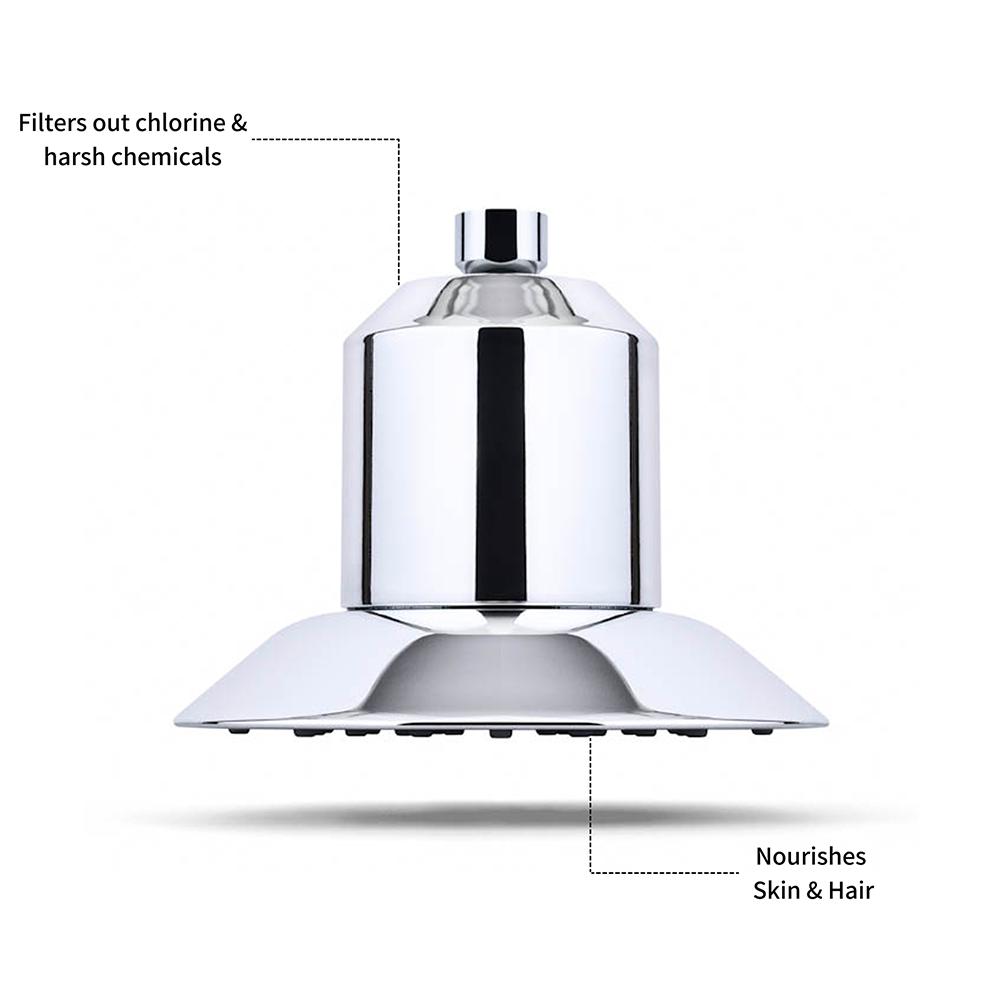
Afina Filtered Showerhead
15-stage filtered showerhead that removes chlorine, heavy metals, and other contaminants while providing great water pressure.
✨ All-in-one solution — filters water and gives you a premium shower experience
Shop Now →Afina Shower Filter
Universal shower filter that attaches to any existing showerhead. Removes chlorine, chloramine, and sediment.
✨ Keep your current showerhead and add powerful filtration
Shop Now →Afina Replacement Filter
Replacement filter cartridge for Afina shower filters. Lasts up to 6 months or 10,000 gallons.
✨ Easy replacement every 2-3 months to maintain peak filtration
Shop Now →❓ Frequently Asked Questions
Related Reading
- psoriasis triggered by shower water
- trihalomethanes in treated water
- hexavalent chromium in water
- shower water quality in Gilbert, Arizona
- shower water quality in Glendale, Arizona
Is Tempe tap water safe to shower in?
While Tempe's tap water meets federal drinking water standards, showering can expose you to contaminants like chloramines, hard minerals, and disinfection byproducts through skin absorption and steam inhalation. These can lead to skin, hair, and respiratory issues, especially for sensitive individuals.
Why does my skin feel dry and itchy after showering in Tempe?
Tempe's water is moderately hard, meaning it contains high levels of dissolved minerals like calcium and magnesium. These minerals, combined with chloramines used for disinfection, can strip natural oils from your skin, leading to dryness, irritation, and potentially exacerbating conditions like eczema.
Can a shower filter help with hard water in Tempe?
Yes, certain shower filters are designed to address hard water by using media that reduces mineral scale buildup, in addition to removing chlorine or chloramines. Look for filters specifically advertised for hard water treatment to mitigate its effects on your skin and hair.
What causes the 'chlorine smell' in my Tempe shower?
The 'chlorine smell' is primarily due to chloramines, which are used to disinfect Tempe's water. When heated, chloramines can volatilize, releasing into the air and creating that distinct odor, which can also irritate respiratory passages.
Are there specific concerns for children or people with eczema in Tempe's shower water?
Yes, children and individuals with eczema or sensitive skin are often more susceptible to the drying and irritating effects of hard water minerals and chloramines. These contaminants can strip delicate skin barriers, leading to increased dryness, redness, and eczema flare-ups.
See what's in your water.
Run a free 60-second report for your ZIP code.