

Best Shower Filter for Eczema: Dermatologist-Backed Guide (2026)
 Khat Cruz
Last updated: April 2026.
Best Shower Filter for Eczema: Dermatologist-Backed Guide
2026 Guide · How water quality affects eczema and what science says about filtration
If you have eczema, the shower can be a double-edged sword. The water feels soothing, but 20 minutes later your skin is red, tight, and flaring. The real culprit might be what's in your water.
Growing research links chlorine, chloramine, and hard water minerals to eczema flare-ups. A quality shower filter for eczema may be the missing piece in your skincare routine.
🔬 The Science: Chlorine, Hard Water & Eczema
Eczema affects over 31 million Americans, and researchers have increasingly focused on water quality as an environmental trigger.
The Chlorine Connection
- Disrupts the skin barrier — chlorine strips the lipids holding your protective layer together
- Kills beneficial skin bacteria — your skin microbiome helps protect against inflammation
- Triggers immune response — irritation activates the inflammatory cascade driving eczema
- Increases water loss — damaged barrier means skin loses moisture faster
📊 What Research Shows
A study in the Journal of Allergy and Clinical Immunology found children in areas with higher chlorine levels had significantly higher eczema rates. Research from the University of Sheffield demonstrated that chlorine in shower water increases skin absorption of harmful chemicals. A study in Environmental Health Perspectives linked hard water to increased eczema prevalence.
The Hard Water Factor
🧪 How Hard Water Worsens Eczema
- hard water minerals react with soap to form soap scum
- Scum remains on skin even after rinsing
- Residue irritates skin and clogs pores
- Requires more soap, further damaging barrier
- Mineral film prevents moisturizer absorption
🔢 Hard Water & Eczema Stats
- 50% increased eczema risk in hard water areas (UK study)
- 85% of US homes have hard water
- Hard water + chlorine = compounded irritation
- Children most vulnerable
Chloramine: The Overlooked Trigger
Many cities use chloramine instead of chlorine. For eczema sufferers, it may be worse — chloramine is more stable and stays in contact with skin longer. It's also harder to remove, requiring specialized filtration media.
🛁 What Dermatologists Say
"Water quality should be considered as a potential environmental trigger for eczema"
Multiple studies recommend water filtration as part of eczema management, particularly for patients who don't respond fully to standard treatments.
A comprehensive eczema-management shower routine:
- Filter your water — remove chlorine, chloramine, reduce minerals
- Use lukewarm water — hot water strips more oils
- Limit to 5-10 minutes
- Use fragrance-free, gentle cleansers
- Pat dry, don't rub
- Apply moisturizer within 3 minutes — lock in hydration
🔧 What to Look for in a Shower Filter for Eczema
Chloramine Removal (Not Just Chlorine)
Many filters only target free chlorine. For eczema, effective chloramine removal is critical. Look for calcium sulfite or catalytic carbon.
Multi-Stage Filtration
Eczema can be triggered by multiple contaminants. Choose 3+ stages for comprehensive protection. complete guide to filtered showerheads explains why.
No Added Chemicals
Avoid filters adding fragrance or vitamin beads. Eczema skin is hypersensitive — the goal is removing irritants, not adding new ones.
Consistent Performance
Choose a filter with predictable 2-3 month cartridge life and easy replacement.
📈 What Eczema Sufferers Can Expect
- Days 1-3: Water feels noticeably "softer" and less drying
- Week 1: Reduction in post-shower tightness, redness, and itching
- Week 2-3: Fewer spontaneous flare-ups. Moisturizers work better
- Month 1-2: Significant reduction in flare frequency and severity
- Month 3+: Cumulative benefits as skin barrier heals
⚠️ Important Disclaimer
A shower filter is not a replacement for medical treatment. Continue working with your dermatologist. Filtration is a complementary approach — removing a potential environmental trigger to support your overall treatment plan.
For more: eczema flare-ups, dry skin after showering, skin rash. Water quality: New York, Chicago, Los Angeles.
🛒 Protect Your Skin & Hair Today
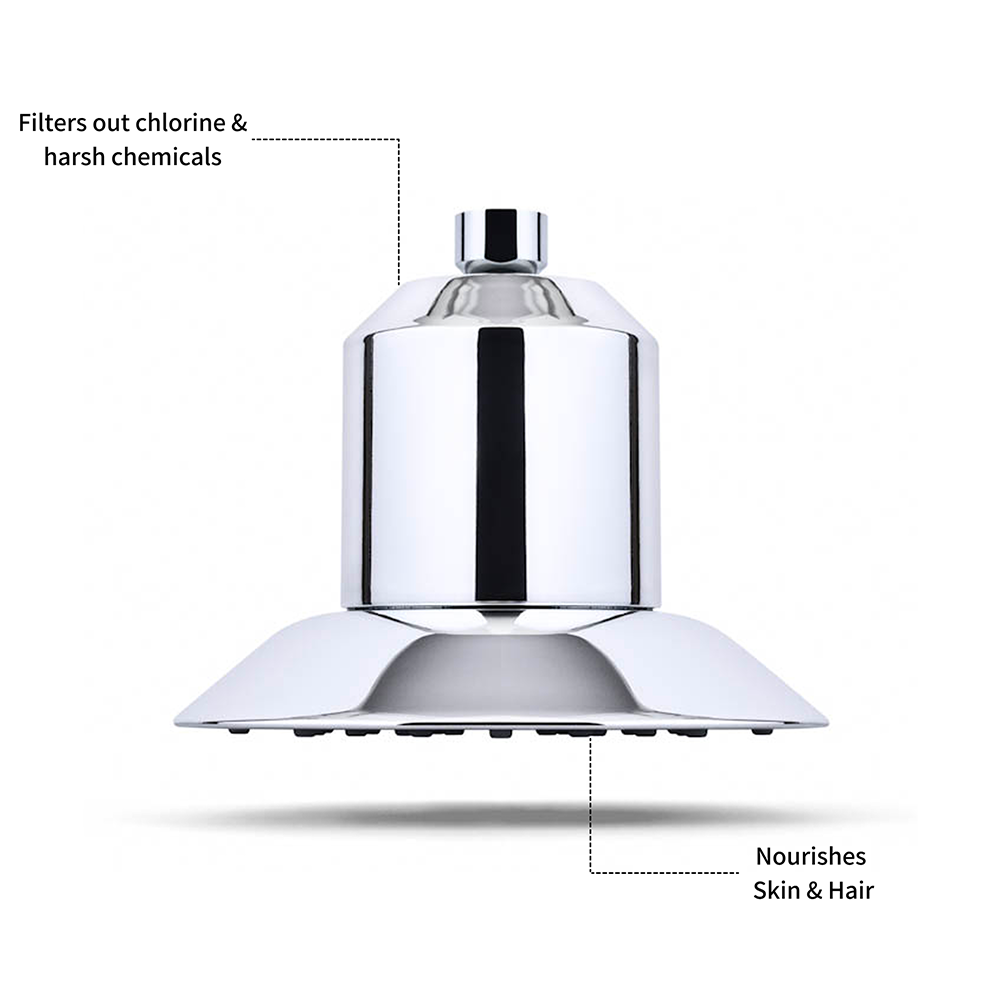
Afina Filtered Showerhead
Multi-stage filtration + high pressure
Filters chlorine, heavy metals, and sediment while delivering a spa-like shower experience.
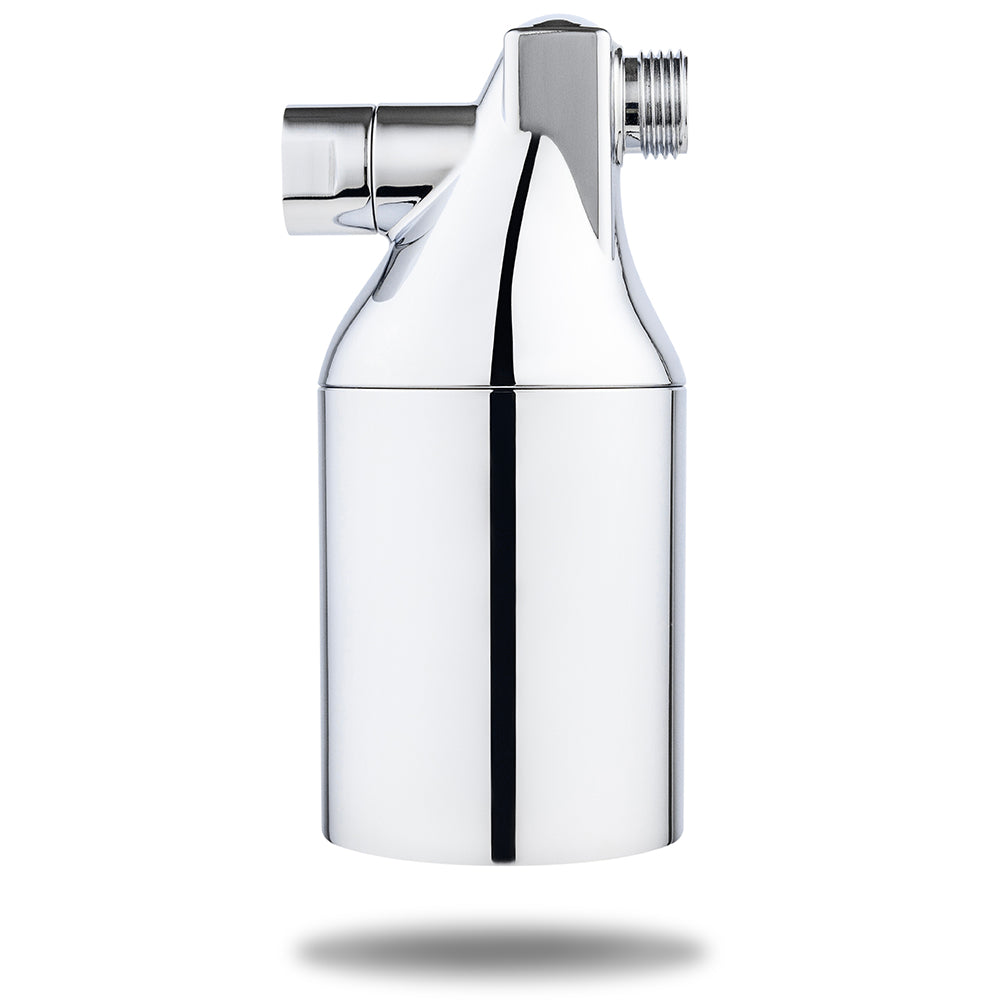
Shop Now →Afina Shower Filter
Fits any existing shower head
Easy inline installation. Reduces chlorine, chloramine, and other contaminants from your shower water.
Shop Now →Replacement Filter
Lasts 2–3 months
Keep your filtration performing at peak efficiency with regular filter replacements.
Shop Now →❓ Frequently Asked Questions
Can a shower filter help eczema?
Research suggests removing chlorine, chloramine, and hard water minerals from shower water may help reduce eczema flare-ups. Multiple studies link these contaminants to increased eczema prevalence and severity. While not a cure, a shower filter removes known environmental triggers.
What kind of shower filter is best for eczema?
The best filter uses multi-stage filtration removing both chlorine and chloramine, plus heavy metals and sediment. Look for calcium sulfite or catalytic carbon for chloramine, KDF-55 for heavy metals, and activated carbon for organics. Avoid filters adding fragrances or chemicals.
Does chlorine make eczema worse?
Studies suggest chlorine may worsen eczema by disrupting the skin barrier, stripping protective lipids, and triggering inflammatory responses. Research found higher eczema rates in areas with more chlorinated water. For people with compromised skin barriers, chlorine may be a significant trigger.
Does hard water affect eczema?
Research from the University of Sheffield and others linked hard water to increased eczema prevalence, particularly in children. Hard water minerals react with soap to form irritating residue, and mineral film may disrupt barrier function. Studies suggest 50 percent increased risk in hard water areas.
How quickly will a shower filter help my eczema?
Many sufferers report reduced post-shower dryness within the first week. Noticeable reduction in flare-up frequency typically occurs within two to four weeks. Full benefits may take two to three months as the skin barrier heals.
Should I use filtered or distilled water for eczema?
For showering, a quality shower filter is the most practical solution, removing chlorine, chloramine, and other irritants while maintaining water pressure. Distilled water is impractical for showering but useful for mixing topical treatments. The key is removing chemical irritants from daily skin contact.
Ready to Transform Your Shower Water?
Join thousands of customers who've upgraded to cleaner, healthier shower water with Afina.
Shop Afina Filters →

