

Dry Skin After Shower? Here's Why & How to Fix It (2026)
 Khat Cruz
Last updated: April 2026.
Dry Skin After Shower
Your shower water could be stripping your skin's natural moisture barrier. Here's what's really going on — and how to fix it.
Why Does This Happen?
If your skin feels tight, flaky, or uncomfortably dry after every shower, your water quality is likely a major factor. Municipal water treatment adds chlorine and chloramines as disinfectants, and while they keep water safe to drink, they're harsh on your skin.
Chlorine is a powerful oxidizer that strips away the natural oils (sebum) your skin produces to stay hydrated. These oils form a protective lipid barrier that locks in moisture. When chlorine dissolves this barrier, water evaporates from your skin rapidly — leaving it dry, tight, and irritated.
Hard water minerals (calcium and magnesium) compound the problem. These minerals leave an invisible film on your skin that clogs pores and prevents moisturizers from absorbing properly. Studies published in the Journal of Investigative Dermatology have shown that hard water exposure can disrupt the skin barrier and increase sensitivity.
Hot showers make things worse — heat opens pores and increases chlorine absorption through the skin. Research from the American Journal of Public Health suggests that skin absorbs a significant amount of chlorine during a typical 10-minute shower, potentially more than drinking eight glasses of the same water.
The Water Quality Connection: Science & Research
Key Finding
Research consistently links shower water contaminants — particularly chlorine, chloramines, and hard water minerals — to skin and hair issues. Your skin absorbs a significant amount of these chemicals during a typical 10-minute shower.
Contaminants That Contribute to Dry Skin After Shower
| Contaminant | How It Causes Dry Skin | Common In |
|---|---|---|
| Chlorine | Strips natural oils and disrupts lipid barrier | All municipal water |
| Chloramine | Harder to remove than chlorine, prolonged exposure | ~30% of US water systems |
| Hard water minerals | Leaves residue that blocks moisture absorption | 85% of US households |
| THMs | Irritates skin cells and accelerates moisture loss | Chlorine-treated water |
According to EWG's Tap Water Database, over 250 contaminants have been detected in U.S. drinking water. Many of these — particularly disinfection byproducts — are absorbed through the skin during showering.
DIY Tests & Checks You Can Do at Home
Test Your Water Hardness
Purchase a water hardness test strip kit (~$10 at hardware stores). Readings above 120 ppm indicate hard water that may be drying your skin.
Check Your Water Report
Request your annual Consumer Confidence Report (CCR) from your water utility or search the EWG Tap Water Database by zip code.
The Soap Test
If soap doesn't lather easily and leaves a filmy residue, you likely have hard water contributing to your dry skin.
The Travel Test
Notice if your skin feels better when showering at hotels or in other cities — a strong indicator your home water quality is the issue.
How Shower Filtration Helps
Shower filtration uses activated carbon and KDF-55 media to neutralize chlorine through a chemical reduction process. The KDF media uses a copper-zinc alloy that converts free chlorine into harmless zinc chloride. Activated carbon then adsorbs remaining chlorine, chloramines, and volatile organic compounds.
Research confirms that KDF media can reduce chlorine levels by up to 99%, significantly reducing oxidative stress on skin cells. Users commonly report softer, more hydrated skin within the first 1-2 weeks of using a shower filter.
How Afina Shower Filtration Can Help
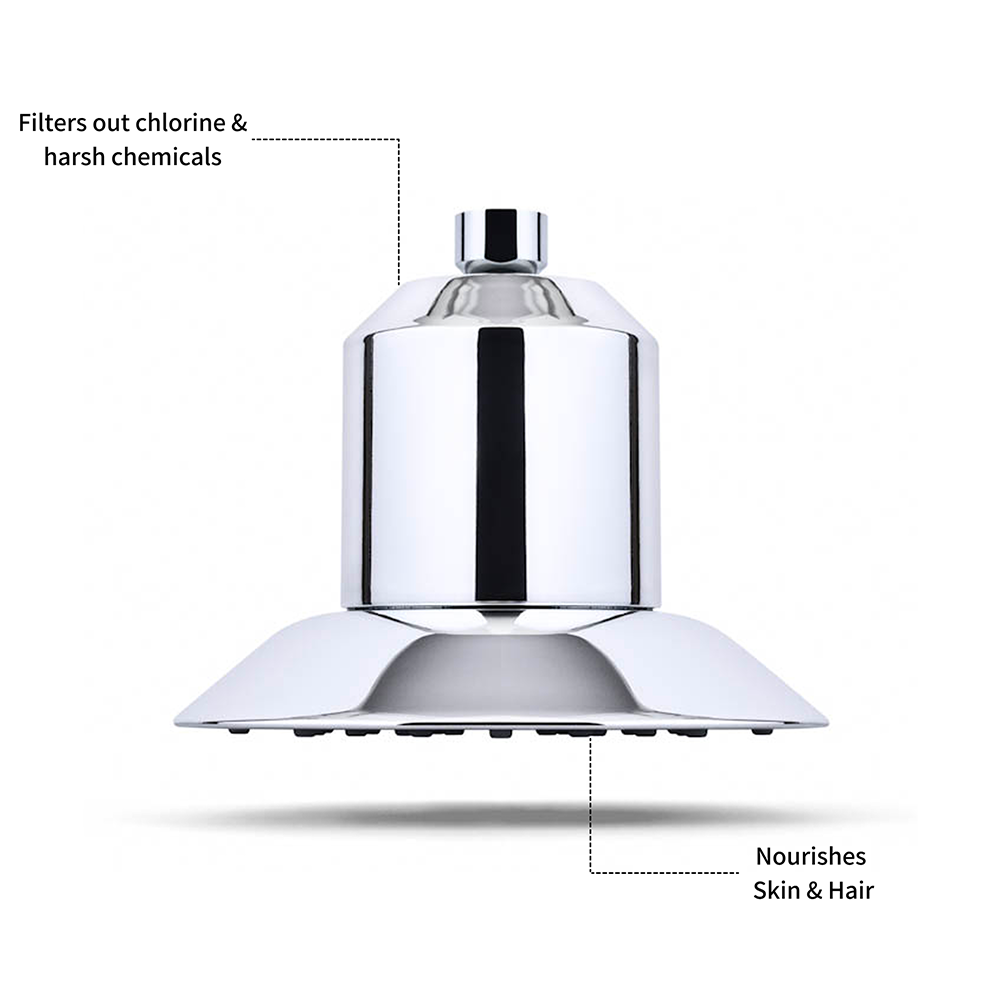
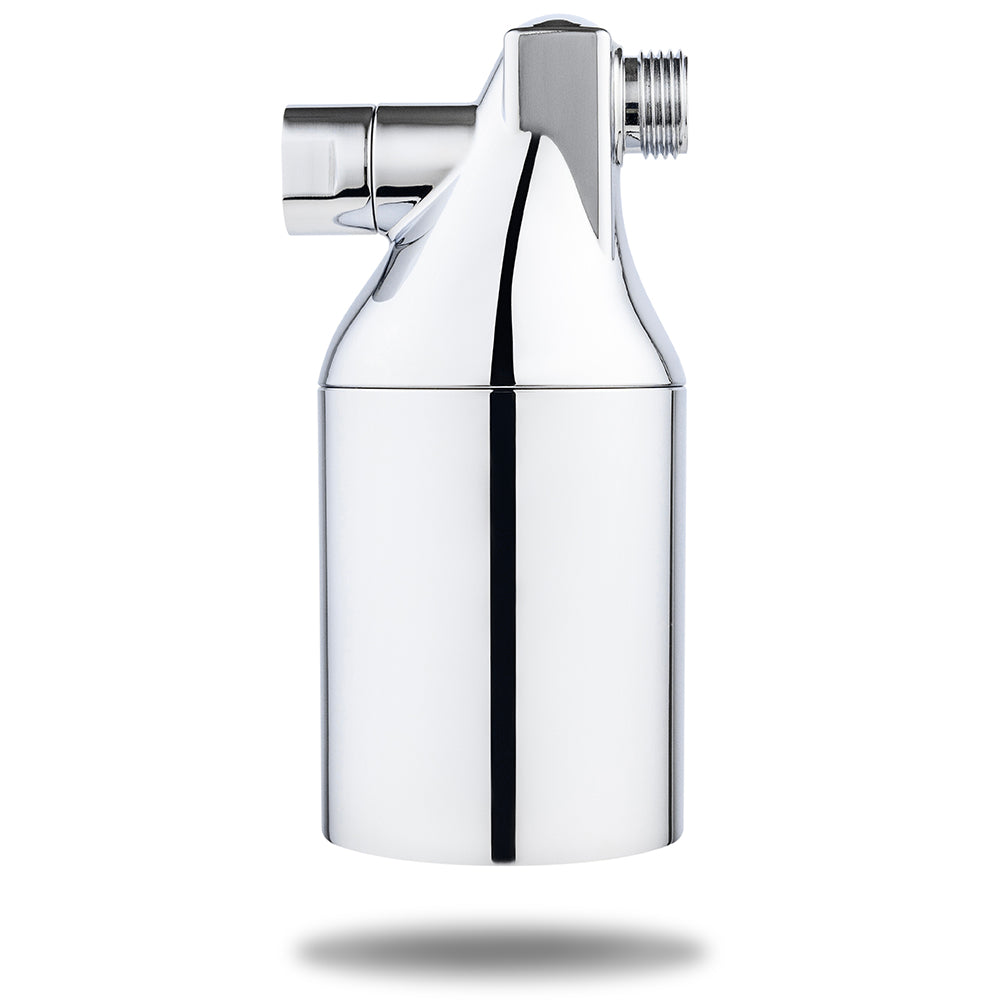
Afina's multi-stage filtration system uses activated carbon and KDF-55 media to reduce chlorine, heavy metals, and other contaminants — helping protect your skin, hair, and overall health.
Related Reading
- chlorine in your shower water
- chloramine effects on skin and hair
- fluoride in your tap water
- is New York shower water safe?
- is Los Angeles shower water safe?
- is Chicago shower water safe?
- itchy irritated skin after showering
- shower water triggering eczema
- Japanese shower heads with built-in filtration
Frequently Asked Questions
Why does my skin feel dry after every shower?
Chlorine and hard water minerals in shower water strip away your skin's natural oils (sebum) that form a protective moisture barrier. Hot water amplifies this effect by opening pores and increasing chemical absorption.
Can shower water really cause dry skin?
Yes. Studies in the Journal of Investigative Dermatology show that hard water and chlorine exposure disrupt the skin's lipid barrier, leading to increased transepidermal water loss (TEWL) — moisture escaping your skin.
Will a shower filter help with dry skin?
Many users report significant improvement in skin hydration after installing a shower filter. By removing chlorine and reducing mineral content, filtered water allows your skin's natural oils to remain intact.
Is hard water or chlorine worse for dry skin?
Both contribute differently. Chlorine actively strips oils, while hard water leaves mineral deposits that block moisture absorption. A good shower filter addresses both issues.
How quickly will I see results with filtered water?
Most people notice softer, less tight-feeling skin within 1-2 weeks. Full improvement in chronic dryness may take 4-6 weeks as your skin barrier repairs itself.
Ready to Upgrade Your Shower Water?
Join thousands of households that have switched to filtered shower water for healthier skin and hair.
Shop Filtered Showerhead Shop Shower Filter

