


Is Cape Coral, Florida Shower Water Safe?
Understanding the quality of your shower water in Cape Coral, Florida, is crucial for your family's health and well-being. While the city's water treatment is robust, various contaminants can still impact your skin, hair, and respiratory health. Knowing what's in your Cape Coral shower water empowers you to make informed decisions for a safer daily routine.
💧 Where Does Cape Coral's Water Come From?
Primary Source: Surficial Aquifer, Lower Tamiami Aquifer, Reverse Osmosis
Cape Coral primarily draws its drinking water from the local Surficial and Lower Tamiami Aquifers, which are then extensively treated. A significant portion of the city's water undergoes advanced Reverse Osmosis (RO) treatment to remove dissolved solids, including salts and minerals, ensuring high-quality source water before distribution. This multi-source approach helps maintain a reliable supply.
Treatment: Reverse Osmosis, Aeration, Lime Softening, Chloramination, Filtration
🔬 What's In Cape Coral's Shower Water?
Here are the key contaminants detected in Cape Coral's water supply based on real testing data from the EWG Tap Water Database:
| Contaminant | Level Found | EPA Limit | EWG Guideline | Status |
|---|---|---|---|---|
| Total trihalomethanes (TTHMs) | 29.93 ppb | 80.0 ppb | 0.150 ppb | ⚠️ Exceeds EWG Health Guideline (200x above) |
| Haloacetic acids (HAA9) | 4.38 ppb | No federal limit | 0.060 ppb | ⚠️ Exceeds EWG Health Guideline (73x above) |
| Radium, combined (-226 and -228) | 3.15 pCi/L | 5.0 pCi/L | 0.050 pCi/L | ⚠️ Exceeds EWG Health Guideline (63x above) |
| Haloacetic acids (HAA5) | 5.93 ppb | 60.0 ppb | 0.100 ppb | ⚠️ Exceeds EWG Health Guideline (59x above) |
| Chromium (hexavalent) | 0.085 ppb | No federal limit | 0.020 ppb | ⚠️ Exceeds EWG Health Guideline (4x above) |
| Chlorate | 294.3 ppb | No federal limit | 210.00 ppb | ⚠️ Exceeds EWG Health Guideline (1.4x above) |
| Aluminum | 14.50 ppb | No federal limit | 600.00 ppb | ⚠️ No Federal Limit |
| Strontium | 3.08 ppb | No federal limit | 1500.00 ppb | ⚠️ No Federal Limit |
| Barium | 5.45 ppb | 2000.0 ppb | 700.00 ppb | ✅ Below Health Guidelines |
| Fluoride | 0.650 ppm | 4.0 ppm | N/A | ✅ Below Health Guidelines |
Contaminant Details
Total trihalomethanes (TTHMs)
The health guideline of 0.15 ppb for trihalomethanes was defined by in a peer-reviewed scientific study by EWG and represents a one-in-one-million lifetime cancer risk level. as a draft public health goal, the level of drinking water contaminant that does not pose a significant health risk. This health guideline protects against cancer.
Comparison: State average: 30.71 ppb. National average: 29.06 ppb.
Shower Impact: These disinfection byproducts become airborne in hot shower steam. You can inhale and absorb them through your skin, potentially increasing your exposure beyond just drinking water.
Haloacetic acids (HAA9)
The health guideline of 0.06 ppb for haloacetic acids (HAA9) was defined by EWG . This health guideline protects against cancer.
Comparison: State average: 25.74 ppb. National average: 23.70 ppb.
Shower Impact: These disinfection byproducts become airborne in hot shower steam. You can inhale and absorb them through your skin, potentially increasing your exposure beyond just drinking water.
Radium, combined (-226 and -228)
The health guideline of for radium, combined (-226 and -228) was defined by the California Office of Environmental Health Hazard Assessment as . This health guideline protects against cancer.
Comparison: State average: 0.537 pCi/L. National average: 0.332 pCi/L.
Shower Impact: Radioactive contaminants can become aerosolized in shower steam and inhaled, adding to overall exposure.
Haloacetic acids (HAA5)
The health guideline of 0.1 ppb for haloacetic acids (HAA5) was defined by as . This health guideline protects against cancer.
Comparison: State average: 18.88 ppb. National average: 19.82 ppb.
Shower Impact: These disinfection byproducts become airborne in hot shower steam. You can inhale and absorb them through your skin, potentially increasing your exposure beyond just drinking water.
Chromium (hexavalent)
The health guideline of 0.02 ppb for chromium (hexavalent) was defined by the California Office of Environmental Health Hazard Assessment as a public health goal, the level of a drinking water contaminant that does not pose a significant health risk. This health guideline protects against cancer.
Comparison: State average: 0.107 ppb. National average: 0.440 ppb.
Shower Impact: Hexavalent chromium can be absorbed through the skin during bathing, adding to overall exposure beyond drinking water.
Chlorate
The health guideline of 210 ppb for chlorate was defined by the Environmental Protection Agency as a benchmark for testing under the Unregulated Contaminant Monitoring Rule program. This health guideline protects against hormone disruption.
Comparison: State average: 270.4 ppb. National average: 116.8 ppb.
Shower Impact: Contaminants in shower water can be absorbed through the skin and inhaled as steam, increasing your daily exposure beyond what you get from drinking water alone.
Aluminum
The health guideline of 600 ppb for aluminum was defined by the California Office of Environmental Health Hazard Assessment as a public health goal, the level of a drinking water contaminant that does not pose a significant health risk. This health guideline protects against harm to the brain and nervous system.
Comparison: State average: 9.62 ppb. National average: 26.39 ppb.
Shower Impact: Contaminants in shower water can be absorbed through the skin and inhaled as steam, increasing your daily exposure beyond what you get from drinking water alone.
Strontium
The health guideline of 1,500 ppb for strontium was defined by the Environmental Protection Agency as a benchmark for testing under the Unregulated Contaminant Monitoring Rule program. This health guideline protects against harm to bones.
Comparison: State average: 0.665 ppb. National average: 0.488 ppb.
Shower Impact: Contaminants in shower water can be absorbed through the skin and inhaled as steam, increasing your daily exposure beyond what you get from drinking water alone.
Barium
The health guideline of 700 ppb for barium was defined by EWG as benchmark that protects against harm to the kidneys and the cardiovascular system. This health guideline protects against harm to internal organs.
Comparison: State average: 13.05 ppb. National average: 39.52 ppb.
Shower Impact: Contaminants in shower water can be absorbed through the skin and inhaled as steam, increasing your daily exposure beyond what you get from drinking water alone.
Fluoride
Comparison: State average: 0.486 ppm. National average: 0.490 ppm.
Shower Impact: Fluoride in shower water contributes to overall exposure through skin absorption, especially during hot showers.
🧴 How Cape Coral's Water Affects Your Skin, Hair & Health
When you shower, contaminants in the water don't just wash off — they're absorbed through your skin and inhaled as steam. Here's how Cape Coral's water quality may be affecting you:
🧖 Skin Effects
- Dry, itchy skin due to chloramine and hard water minerals stripping natural oils.
- Exacerbation of eczema and other sensitive skin conditions.
- Premature skin aging and dullness from chemical exposure.
- Residue buildup on skin, leading to clogged pores and breakouts.
💇 Hair Effects
- Dry, brittle, and damaged hair texture.
- Fading of hair color and chemical treatments.
- Dullness and lack of shine due to mineral and chemical buildup.
- Scalp irritation and flakiness from harsh chemicals.
🫁 Respiratory Effects
- Irritation of nasal passages and throat from inhaled chloramine vapor.
- Worsening of asthma and allergy symptoms due to chemical inhalation.
- Potential long-term respiratory issues from disinfection byproducts in steam.
- General discomfort and congestion after hot showers.
✅ What You Can Do About It
Test Your Shower Water
A professional water test can identify the specific contaminants and mineral levels in your home's water, providing a personalized understanding beyond city-wide reports.
Install a Quality Shower Filter
A multi-stage shower filter can effectively reduce chlorine, chloramines, heavy metals, and other impurities, significantly improving water quality for skin and hair.
Improve Bathroom Ventilation
Running an exhaust fan or opening a window during and after showering helps dissipate chemical vapors and steam, reducing inhalation exposure.
Use Hydrating Skin & Hair Products
Opt for sulfate-free, moisturizing soaps, shampoos, and conditioners specifically designed to combat dryness and protect against hard water effects.
Limit Shower Duration and Temperature
Shorter, cooler showers reduce the amount of time your skin and lungs are exposed to potential contaminants and harsh temperatures.
🛒 Recommended Products for Cape Coral Residents
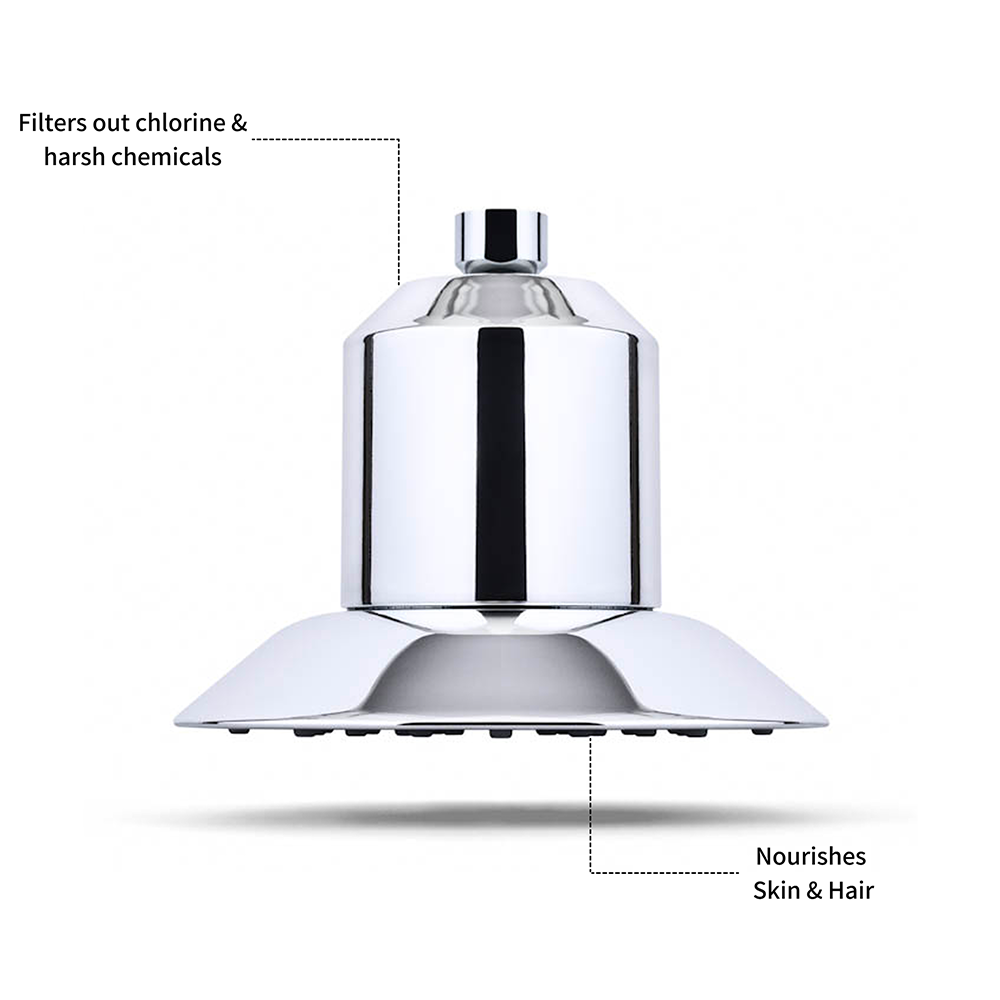
Afina Filtered Showerhead
15-stage filtered showerhead that removes chlorine, heavy metals, and other contaminants while providing great water pressure.
✨ All-in-one solution — filters water and gives you a premium shower experience
Shop Now →Afina Shower Filter
Universal shower filter that attaches to any existing showerhead. Removes chlorine, chloramine, and sediment.
✨ Keep your current showerhead and add powerful filtration
Shop Now →Afina Replacement Filter
Replacement filter cartridge for Afina shower filters. Lasts up to 6 months or 10,000 gallons.
✨ Easy replacement every 2-3 months to maintain peak filtration
Shop Now →❓ Frequently Asked Questions
Related Reading
- why your skin feels dry after showering
- chromium-6 in tap water
- fluoride effects on skin
- shower water quality in Gainesville, Florida
- shower water quality in Hialeah, Florida
Is Cape Coral tap water safe to shower in?
While Cape Coral's tap water meets federal safety standards for drinking, showering can expose you to contaminants like chloramines and disinfection byproducts through skin absorption and steam inhalation. These exposures can lead to skin, hair, and respiratory issues, even if the water is deemed 'safe' for consumption.
Does Cape Coral water cause dry skin and hair?
Yes, Cape Coral's water, despite RO treatment, can still contribute to dry skin and hair. The presence of chloramines strips natural oils, and residual hardness minerals can leave a film on skin and hair, leading to dryness, irritation, and dullness, especially for those with sensitive skin or eczema.
What are disinfection byproducts (DBPs) and why are they a concern in showers?
Disinfection byproducts like HAA5s and TTHMs form when disinfectants (like chloramines) react with organic matter in water. In showers, these chemicals easily vaporize into steam, leading to inhalation exposure which can be more significant than ingestion due to direct lung contact and absorption.
How effective are shower filters for Cape Coral water?
High-quality shower filters are very effective at reducing a range of contaminants found in Cape Coral water, including chloramines, chlorine, and heavy metals. They can significantly improve water quality, leading to softer skin, shinier hair, and reduced respiratory irritation for many users.
Is hard water a problem in Cape Coral despite Reverse Osmosis?
Even with Reverse Osmosis treatment, some hardness minerals might remain or be added back for water stability, or be present in varying degrees across the distribution system. While RO greatly reduces overall hardness, you might still experience some effects like soap scum or dry skin, particularly if your home's plumbing adds to the issue.
See what's in your water.
Run a free 60-second report for your ZIP code.