

Best Shower Filter for Hair Loss: Can It Really Help? (2026)
 Khat Cruz
Best Shower Filter for Hair Loss: Can It Really Help?
2026 Guide · What the science says about water quality and hair loss
You're finding more hair in the drain. Your ponytail feels thinner. You've tried new shampoos, supplements, and scalp treatments — but have you considered what's in your water?
Research increasingly suggests that chlorine in shower water, heavy metals, and hard water minerals may be silently damaging your hair from the outside in.
🔬 How Water Quality Affects Hair Loss
Chlorine Damage
Chlorine oxidizes keratin protein in your hair shaft. Research in the Journal of Dermatology shows prolonged chlorine exposure may weaken hair fibers, increase porosity, and lead to breakage and shedding. Chlorine disrupts the disulfide bonds that give hair strength. Over years of daily exposure, this cumulative damage may contribute to noticeable hair thinning.
Heavy Metal Accumulation
Your water may contain trace amounts of lead, copper, and other heavy metals from natural sources or aging plumbing. These metals accumulate on hair over time, potentially causing weakened structure, increased breakage, scalp irritation, and discoloration.
Hard Water Mineral Buildup
Calcium and magnesium coat the hair shaft, creating a mineral film that weighs hair down, prevents moisture penetration, creates friction leading to split ends, and causes mineral buildup on hair masking true volume.
📊 Key Research
A study in the International Journal of Trichology found that hair treated with hard water showed decreased tensile strength. Another in Annals of Dermatology demonstrated water hardness correlates with increased breakage. While studies suggest a connection, researchers note more large-scale studies are needed.
💧 Which Contaminants Cause the Most Hair Damage?
| Contaminant | How It Damages Hair | Filtration Solution |
|---|---|---|
| Chlorine | Oxidizes keratin, strips oils, breaks bonds | KDF-55, activated carbon, calcium sulfite |
| Chloramine | Same as chlorine, longer contact time | Catalytic carbon, calcium sulfite |
| Copper/Heavy Metals | Accumulates on shaft, catalyzes oxidation | KDF-55 |
| Calcium/Magnesium | Mineral coating increases friction/breakage | Partial reduction via filtration |
| Iron | Oxidizes on hair, causing discoloration | KDF-55, sediment filtration |
🛁 Can a Shower Filter Actually Help?
Let's be evidence-based: a shower filter is not a cure for genetic hair loss or medical alopecia.
✅ May Help With...
- Breakage from chlorine damage
- Shedding triggered by scalp irritation
- Thinning appearance from mineral buildup
- Weak, brittle hair from heavy metals
- Scalp dryness affecting follicle health
- Color damage accelerated by chemicals
❌ Won't Fix...
- Androgenic alopecia (genetic pattern baldness)
- Alopecia areata (autoimmune)
- Medication side effect hair loss
- Nutritional deficiency hair loss
- Hormonal hair loss (thyroid, postpartum)
- Traction alopecia from styling
Even people with genetic hair loss benefit from filtration — removing chemical damage helps preserve existing hair and may reduce visible thinning rate.
🔧 What to Look for
Multi-Stage Filtration
Hair damage comes from multiple contaminants, so you need multiple stages. KDF-55 for heavy metals, activated carbon for chlorine, calcium sulfite for chloramine. how filtered shower heads work explains each stage.
Strong Chlorine Removal
Prioritize 95%+ chlorine removal. This single improvement makes the biggest difference in hair texture and strength.
Heavy Metal Reduction
KDF-55 is essential for removing dissolved metals that accumulate on hair over time.
Maintained Water Pressure
Low pressure means longer showers and more contaminant contact time.
📈 Realistic Timeline
- Week 1-2: Hair feels softer, less straw-like. Scalp itchiness may decrease.
- Week 3-4: Reduced breakage during brushing. Better moisture retention.
- Month 2-3: Less hair in the drain. New growth may appear healthier.
- Month 4-6: Mineral buildup washes away. Noticeable improvement in volume and texture.
💡 Maximize Results
Combine filtration with: clarifying shampoo monthly, deep conditioning treatments, avoiding excessive heat styling while hair recovers, and cool-water rinses to close cuticles. See our hair loss after showering guide.
Check your local water quality: New York, Houston, Phoenix, and more.
🛒 Protect Your Skin & Hair Today
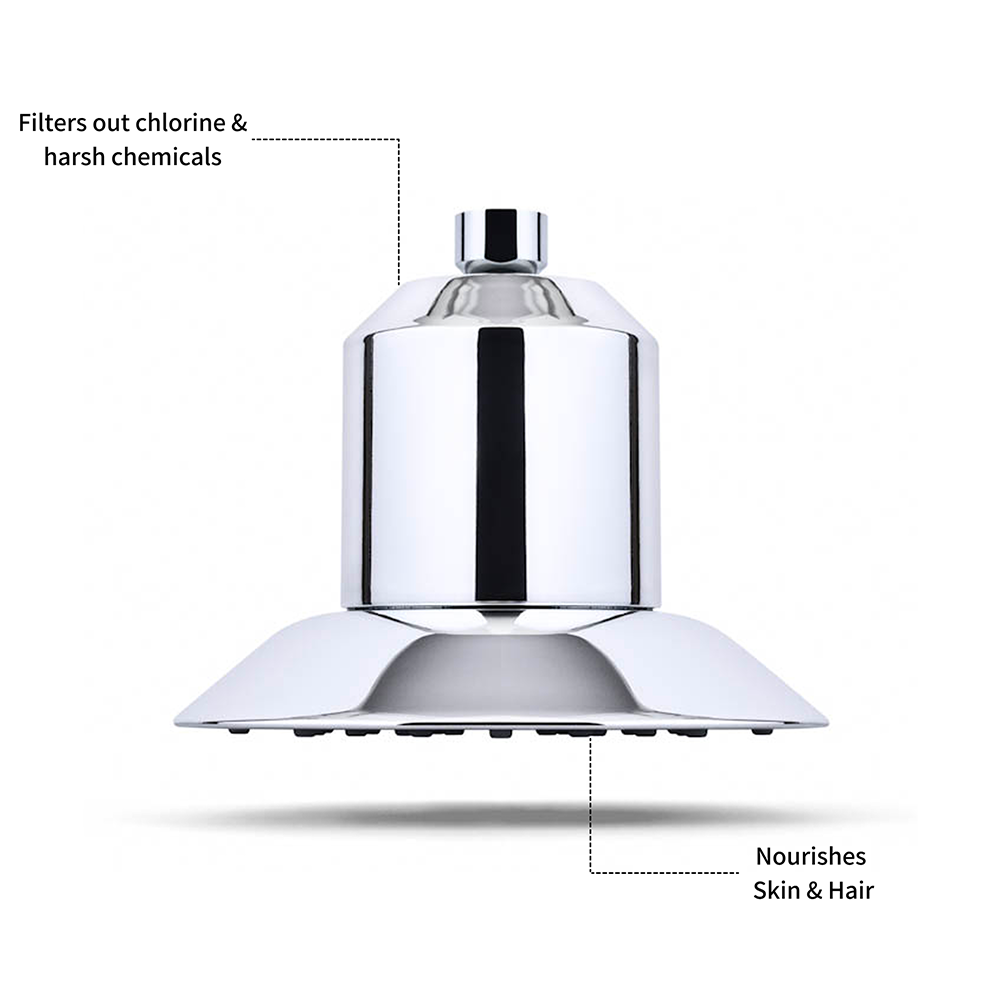
Afina Filtered Showerhead
Multi-stage filtration + high pressure
Filters chlorine, heavy metals, and sediment while delivering a spa-like shower experience.
Shop Now →Afina Shower Filter
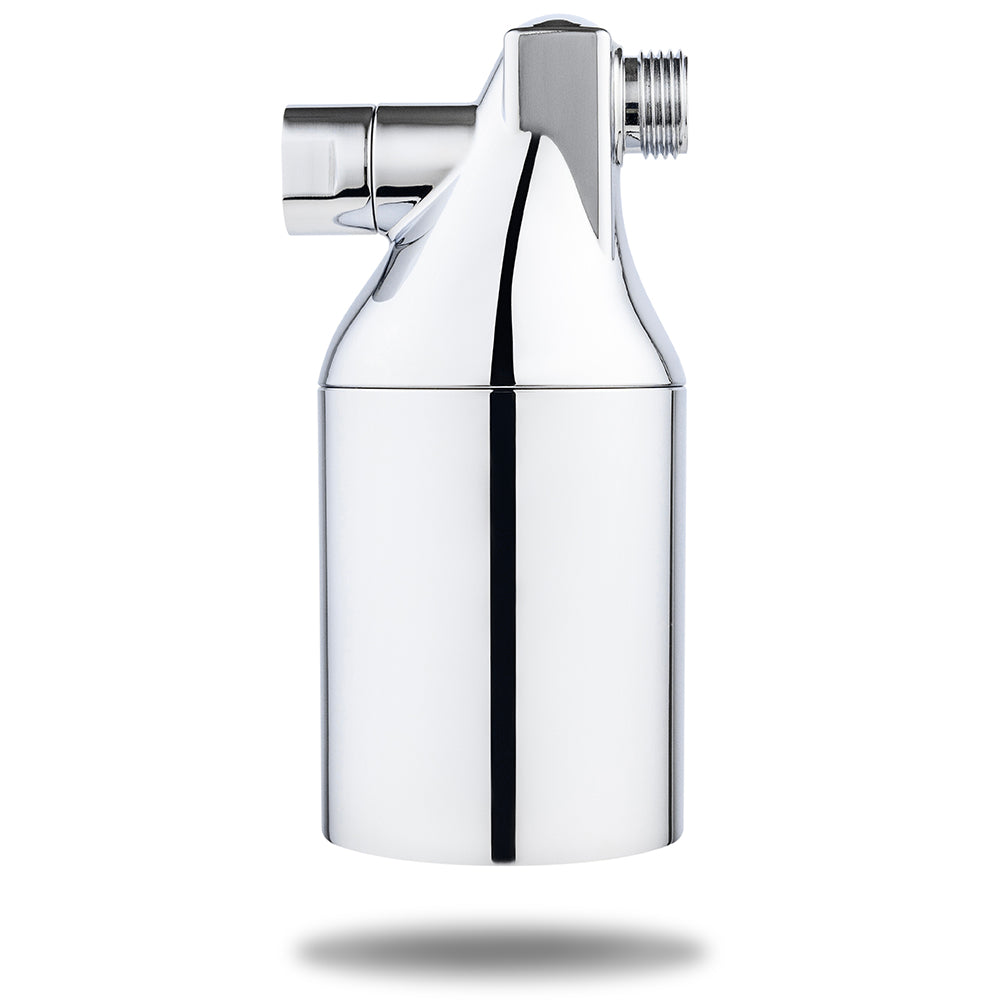
Fits any existing shower head
Easy inline installation. Reduces chlorine, chloramine, and other contaminants from your shower water.
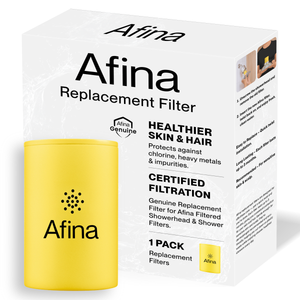
Shop Now →Replacement Filter
Lasts 2–3 months
Keep your filtration performing at peak efficiency with regular filter replacements.
Shop Now →❓ Frequently Asked Questions
Can a shower filter stop hair loss?
A shower filter may help reduce hair loss caused by water quality issues such as chlorine damage, heavy metal accumulation, and mineral buildup. However, it is not a treatment for genetic hair loss or medical conditions like alopecia. Studies suggest removing these contaminants can reduce breakage and improve overall hair health.
How long does it take to see results?
Most users notice softer, less brittle hair within one to two weeks. Reduced shedding and breakage typically become apparent within one to two months. Significant improvements in thickness and volume may take three to six months as damaged hair grows out.
What causes hair to fall out in the shower?
Some shedding is normal (50-100 hairs per day). Excessive shedding may be caused by chlorine damage to hair proteins, heavy metal accumulation, hard water mineral buildup causing breakage, scalp irritation from contaminants, or underlying medical conditions.
Does hard water cause hair loss?
Research suggests hard water may contribute to breakage and thinning due to mineral deposits weakening the hair shaft. Studies found decreased tensile strength in hair exposed to hard water. While hard water alone may not cause permanent loss, it can accelerate thinning.
Is filtered water better for your hair?
Yes. Filtered shower water removes chlorine, heavy metals, and reduces minerals that damage hair. Studies show chlorine oxidizes hair proteins and strips natural oils. Removing these contaminants helps maintain hair strength, moisture, and natural shine.
What is the best shower filter for thinning hair?
The best filter uses multi-stage filtration combining KDF-55 for heavy metals, activated carbon for chlorine, and calcium sulfite for chloramine. This comprehensive approach addresses the multiple water quality factors contributing to hair thinning.
Ready to Transform Your Shower Water?
Join thousands of customers who've upgraded to cleaner, healthier shower water with Afina.
Shop Afina Filters →

